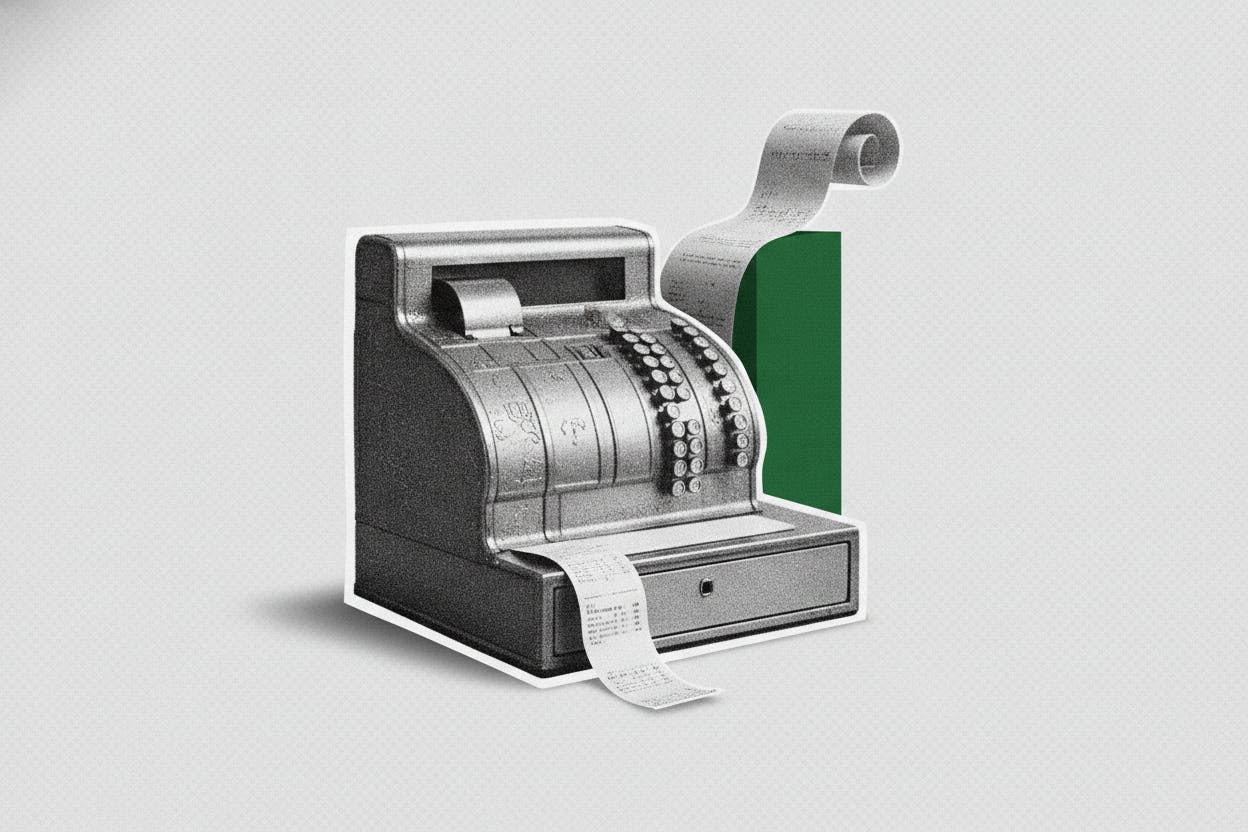
The US Commerce Department reported that retail sales edged up 0.2% in June, following a revised 1.0% increase in May. But beneath the surface, a closely watched measure of core consumer spending—the retail "control group"—rose a stronger 0.6%, suggesting that household demand for goods has more momentum than the headline number implies.
What the headline masks
The headline gain was partly driven by a 1.9% jump in motor vehicle sales. Strip out autos, and overall retail sales actually slipped 0.2% in June. Excluding both autos and gasoline, sales rose 0.4%, down from a 0.8% gain in May, as gasoline station receipts fell 5.3% due to lower pump prices.
Investors pay close attention to the retail control group because it strips out volatile categories—autos, gasoline, building materials, and food services—that can distort the headline. This cleaner measure feeds directly into the consumer spending component of the US gross domestic product (GDP) report, making it a key signal for economic growth.
Why the control group matters
The control group's 0.6% rise in June, following a 0.9% increase in May, points to steadier demand than the top-line number suggests. For everyday investors, this matters because stronger consumer spending can mean inflation pressures fade more slowly. That, in turn, influences what the Federal Reserve does next with interest rates.
When the control group comes in hot, markets often interpret it as a sign of "growth resilience." That can lead traders to adjust their expectations for the Fed's policy rate, pushing up yields on shorter-dated US Treasuries. As bond yields rise, bond prices fall, which can ripple into stock markets.
What it means for your portfolio
The control group's 0.6% rise is the number that tends to move interest rate expectations. If the Fed sees the economy holding up better than expected, it may keep rates higher for longer to ensure inflation is fully under control. That scenario typically hits long-duration equities hardest—companies whose profits are expected further in the future, such as many high-growth technology firms. These stocks are more sensitive to changes in interest rates because their future earnings are discounted more heavily when rates rise.
On the other hand, value-oriented and cyclical sectors—those that depend more on current economic conditions—may be less affected or even benefit from a resilient economy. Investors should watch how the bond market reacts in the coming days, as shifts in Treasury yields often set the tone for equity markets.
For context, the US dollar held steady ahead of this data release, as traders awaited the retail sales report along with jobless claims and a Fed speech. The dollar's next move could depend on whether the control group's strength changes the outlook for rate cuts.
Broader economic backdrop
The June retail data comes at a time when the US economy is showing mixed signals. While consumer spending has remained relatively resilient, other areas—like manufacturing and IT spending—have shown weakness, as seen in recent earnings reports from companies like Wipro, which revealed softness in its Americas business.
In the UK, similar consumer trends are playing out. Retailers like Dunelm and DFS reported contrasting results, with garden purchases holding up but big-ticket furniture orders slipping as shoppers become more cautious. These patterns suggest that consumers globally are still spending, but they are becoming more selective.
What to watch next
Investors will be watching for the next batch of economic data, including inflation readings and jobless claims, to see if the trend of resilient consumer spending continues. The Fed's next policy meeting will also be in focus, as any shift in the rate outlook could have broad implications for both bonds and stocks.
For now, the June retail sales report offers a nuanced picture: the headline may look modest, but the core tells a story of a consumer that is still spending at a solid clip. That could keep the economy growing, but it also means the path to lower interest rates may be longer than some had hoped.