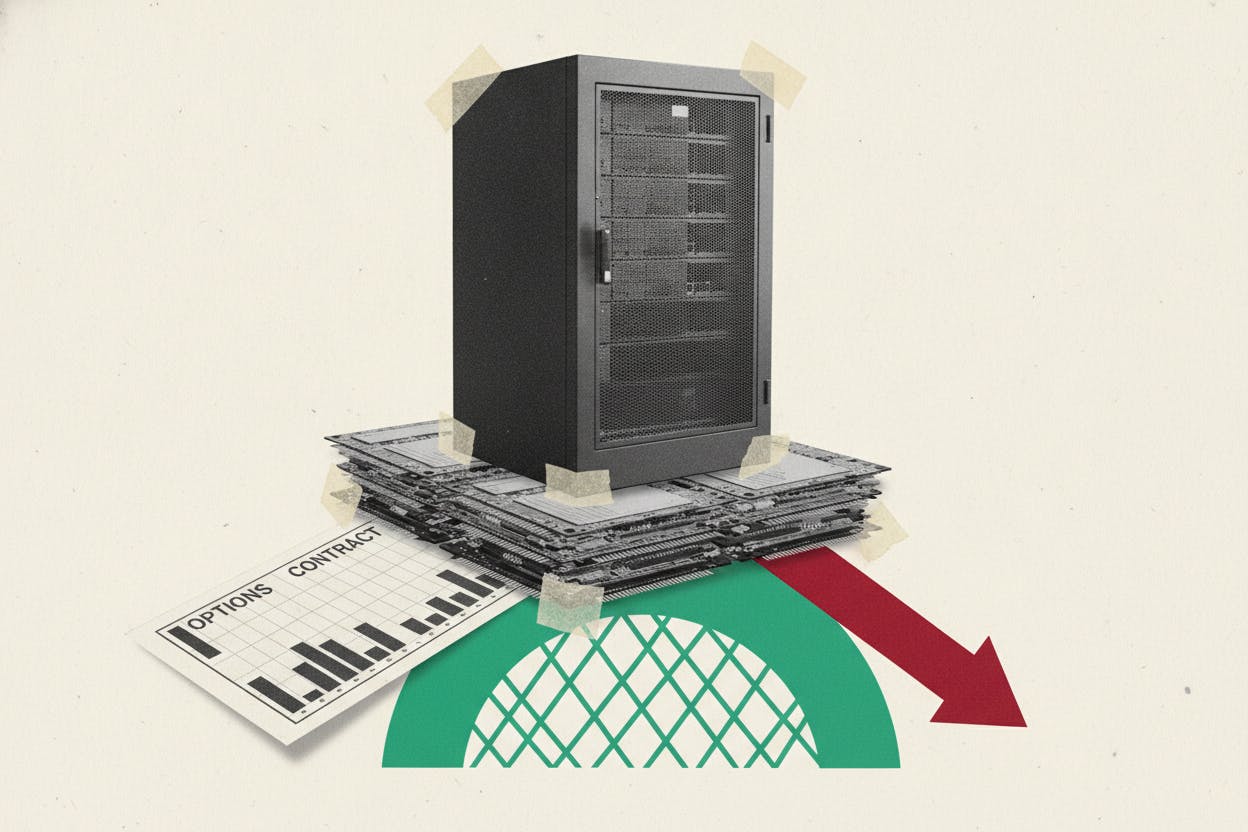
CoreWeave, an AI-focused cloud provider, is considering using derivatives such as put options to protect itself from potential declines in memory and storage chip prices, according to a Reuters report. The company, which relies on long-term supply agreements with chipmakers like Micron and SanDisk, faces a unique risk: many of those contracts include price floors that guarantee a minimum payment to suppliers, even if market prices fall. That could leave CoreWeave paying above-market rates while competitors snap up cheaper components on the spot market.
How the Chip Supply Chain Works
To understand CoreWeave's dilemma, it helps to know how AI cloud providers secure hardware. These companies need vast amounts of memory chips—specifically DRAM (dynamic random-access memory) and NAND flash storage—to power AI workloads. DRAM is a common type of memory used in servers and data centers, while flash storage is used for long-term data retention. To ensure a steady supply, cloud operators often sign multiyear deals with manufacturers like Micron and SanDisk. These contracts sometimes include price floors, which protect suppliers from market downturns but leave buyers exposed if chip prices tumble.
CoreWeave executives have discussed hedging that exposure using put options linked to memory-chip stocks, according to a person familiar with the talks. A put option gives the holder the right to sell a stock at a predetermined price, so it rises in value when the underlying stock falls. The idea is that if chip prices decline, the shares of memory makers like Micron would likely drop too, offsetting some of CoreWeave's losses from the price-floor contracts. However, Reuters notes that no trades have been placed yet, and discussions remain in early stages.
The Catch: Proxy Hedging and Basis Risk
This strategy is what traders call a proxy hedge: CoreWeave would be using options on chipmaker stocks to protect against a risk tied to physical chip prices. The problem is that chipmakers' shares don't move in lockstep with memory prices. They also respond to broader stock market trends, company-specific news, and other factors. For example, a strong earnings report from Micron could lift its stock even if memory prices are falling, weakening the hedge's effectiveness. That gap between the risk being hedged and the instrument used is known as basis risk, and it could leave CoreWeave under-hedged or over-hedged.
Timing also matters. Chipmakers have indicated that new manufacturing capacity will be fully ramped by early 2028, which could trigger a supply glut and push prices lower. But if the price decline happens sooner or later than expected, the hedge might not align with CoreWeave's actual exposure. Still, for a company that needs to manage costs in a volatile market, even an imperfect hedge might be better than none.
What It Means for Investors
For everyday investors, CoreWeave's exploration of derivatives highlights a broader trend: AI infrastructure companies are becoming more sophisticated about managing financial risks tied to hardware cycles. If more cloud providers follow suit, demand for options on memory-chip stocks could increase, potentially affecting the trading volumes and volatility of stocks like Micron and SK Hynix. That could create opportunities for investors who track these markets, but it also adds complexity.
The move also underscores the importance of understanding how supply contracts work in the tech sector. Price floors are common in industries where suppliers invest heavily in capacity, but they can backfire for buyers when market conditions shift. For CoreWeave, the hedge is a way to smooth out those bumps, but it's not a perfect solution. Investors should watch for any actual trades or announcements, as they could signal how the company views the chip market's direction.
In the broader context, this story ties into recent market dynamics. For instance, US inflation cooling has boosted hopes for lower interest rates, which could support tech stocks. Meanwhile, oil prices surging past $80 have lifted energy stocks, showing how different sectors respond to macroeconomic shifts. CoreWeave's hedge idea is a reminder that even in the fast-growing AI space, companies are bracing for potential downturns.
Ultimately, the success of this strategy will depend on how closely chipmaker stocks track memory prices. If the correlation holds, CoreWeave could protect its margins. If not, the hedge might add costs without delivering the intended benefits. For now, it's a sign that AI cloud providers are thinking ahead—and that the chip market's next cycle could have ripple effects far beyond the hardware itself.