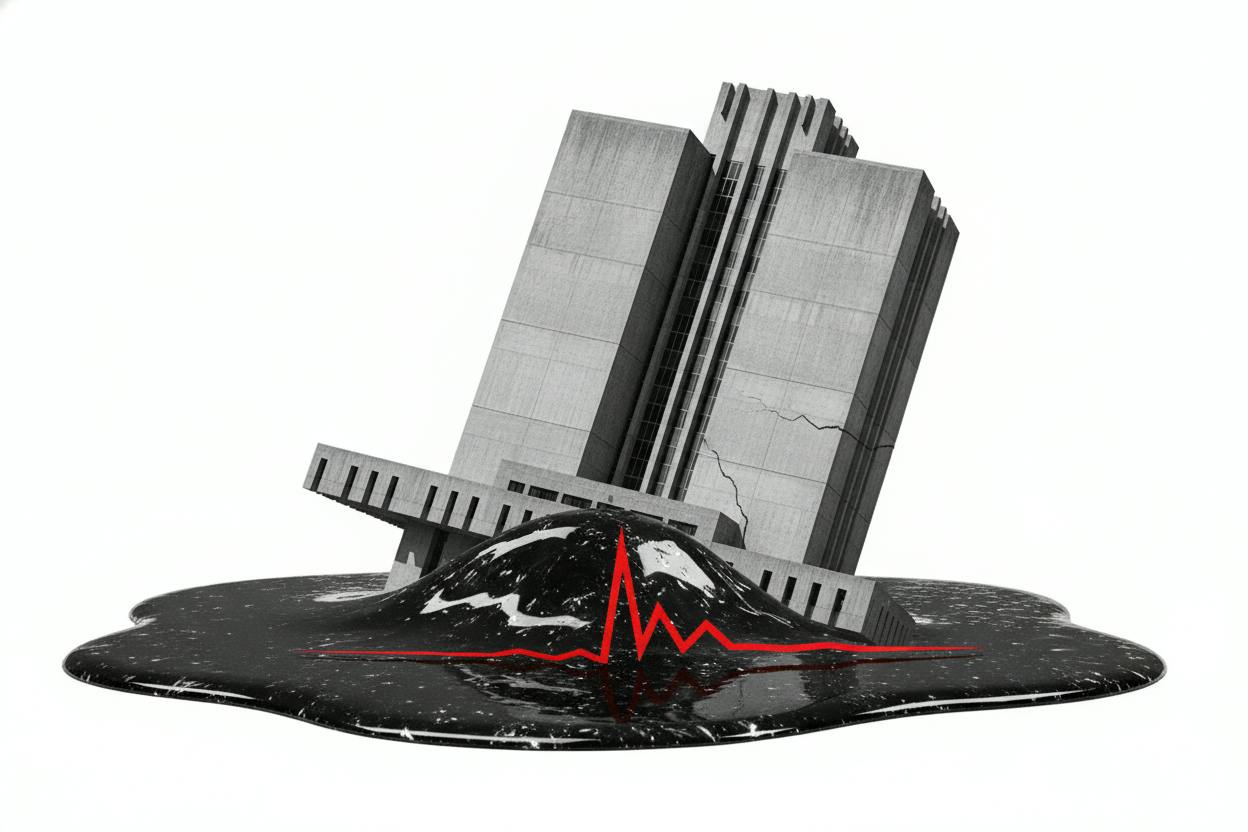
US inflation cooled more sharply than economists anticipated in June, offering a welcome sign for the Federal Reserve and financial markets. The consumer price index (CPI) fell 0.4% from May, while core prices—which strip out volatile food and energy—were flat, according to data from the Bureau of Labor Statistics.
On a year-over-year basis, headline inflation eased to 3.5%, and core inflation slowed to 2.6%. Both figures came in below consensus forecasts, marking the second consecutive month of softer price pressures.
Energy leads the decline, but food and shelter remain sticky
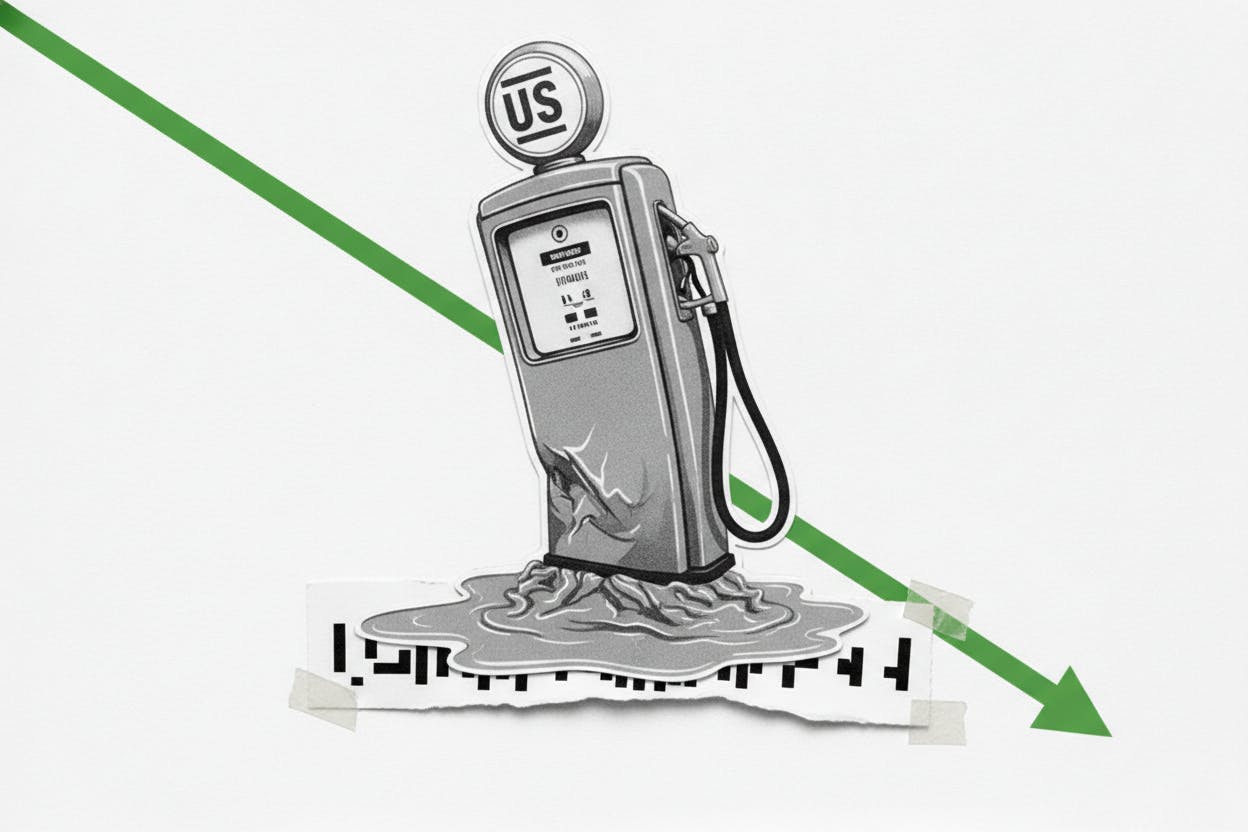
The headline drop was driven largely by a sharp fall in energy costs. Overall energy prices tumbled 5.7% in June, with gasoline plunging 9.7%. Food prices, however, edged up 0.2%, underscoring that the relief was not evenly distributed across the basket.
For the Federal Reserve, the more important signal came from core inflation. Core prices were unchanged against expectations of a 0.2% increase. Even more striking, prices excluding food, energy, and shelter actually fell 0.1%—a rare outright decline that suggests some of the stickiest components of the inflation basket are finally easing.
Housing-related costs, which have been a persistent driver of inflation, showed signs of softening. While shelter costs remain elevated, the trend is moving in the right direction. The Fed will likely want to see several more months of similar data before declaring victory, but the June report is a clear step in that direction.
What it means for investors
When underlying inflation comes in softer than expected, traders typically adjust their expectations for where the Fed's policy rate will peak and how long it will stay elevated. That repricing tends to hit short-term Treasury yields first, especially the 2-year note, which is most sensitive to near-term rate expectations.
Lower expected rates can also loosen financial conditions. The discount rate used to value future profits falls, which often benefits long-duration assets like growth stocks, whose cash flows are weighted further out. The flip side is that markets can get ahead of themselves, so upcoming inflation and jobs data still carry extra weight.
The June CPI report has already prompted a reassessment of the Fed's next moves. Odds of a rate hike have fallen sharply, and some investors are now pricing in a potential cut later this year. However, the Fed has repeatedly stressed that it will remain data-dependent, and the labor market remains tight.
Broader market reaction
Equity markets responded positively to the news, with the S&P 500 and Nasdaq both rising in early trading. The TSX also edged higher, led by a 2.2% surge in materials stocks. Bond yields fell, with the 2-year Treasury yield dropping sharply, while the dollar weakened against major currencies.
Commodity markets were mixed. Oil prices surged past $80 a barrel, boosting energy stocks, while natural gas hit a two-month low as cooler weather and ample storage weighed on prices.
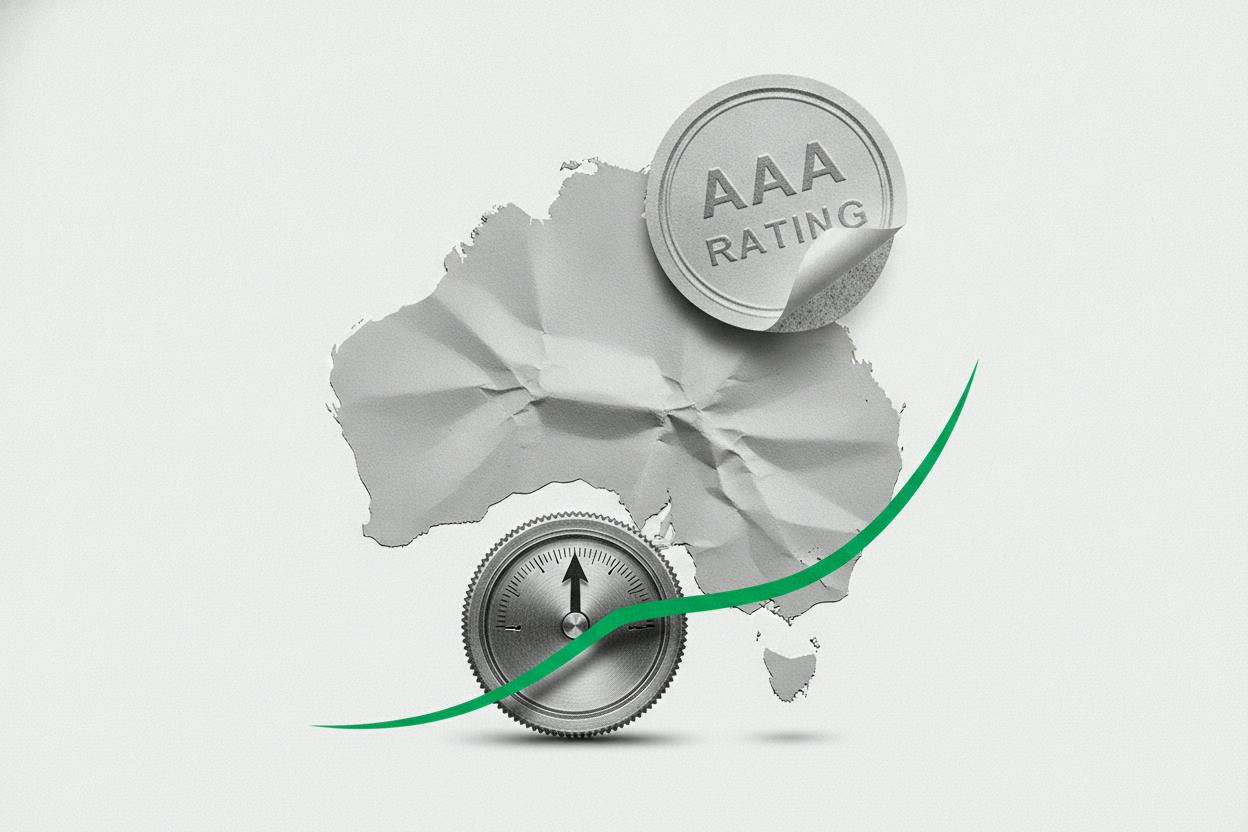
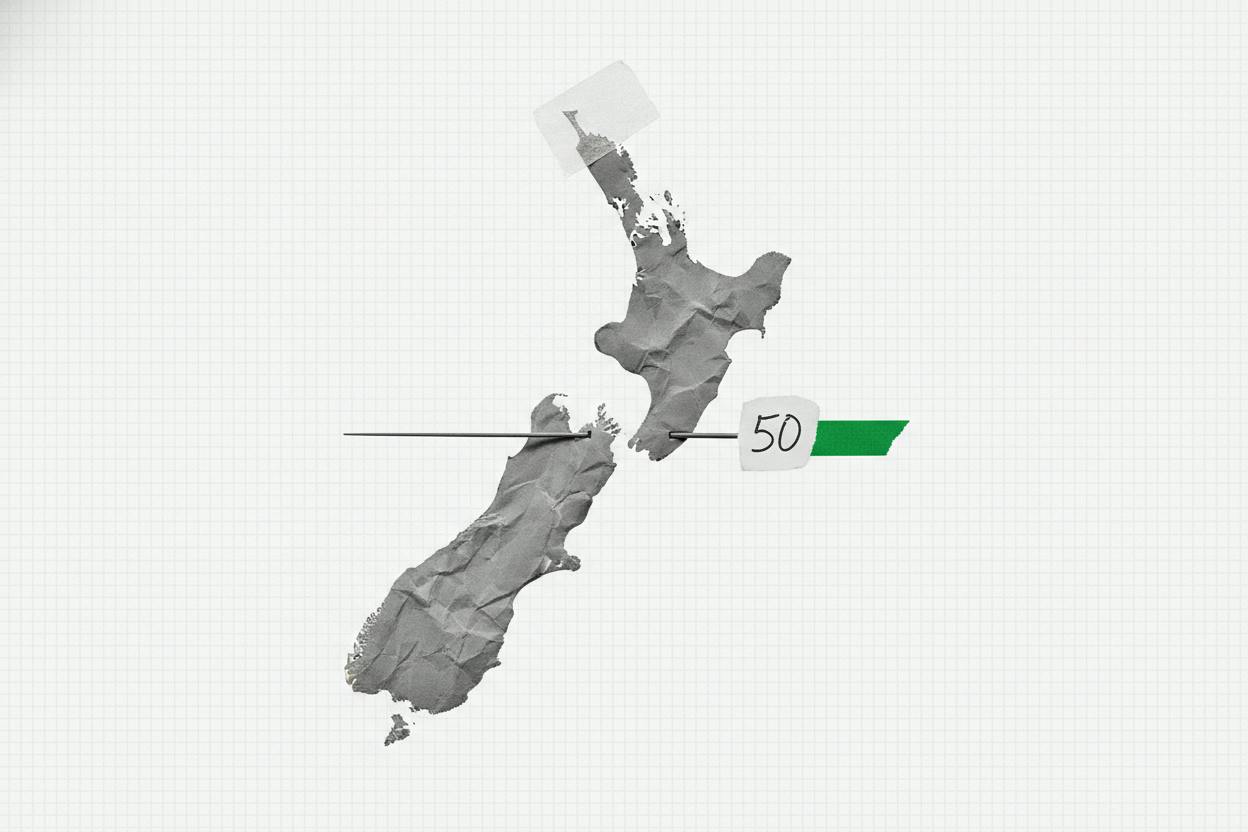
The softer inflation data also provided a tailwind for risk assets globally. Australian business confidence improved as inflation eased, and the Reserve Bank of New Zealand warned that oil prices could force more rate hikes, but the overall tone was more dovish.
The road ahead
The June CPI report is a significant milestone, but the Fed is unlikely to declare victory just yet. Core inflation remains above the central bank's 2% target, and the labor market continues to show strength. The next few months of data will be critical in determining whether the disinflation trend is sustainable.
For everyday investors, the key takeaway is that inflation is moving in the right direction, but patience is required. Lower inflation could eventually lead to lower interest rates, which would be positive for stocks and bonds. However, the path is likely to be bumpy, and markets may remain volatile as they digest each new data point.
As always, diversification and a long-term perspective remain the best tools for navigating uncertain times.