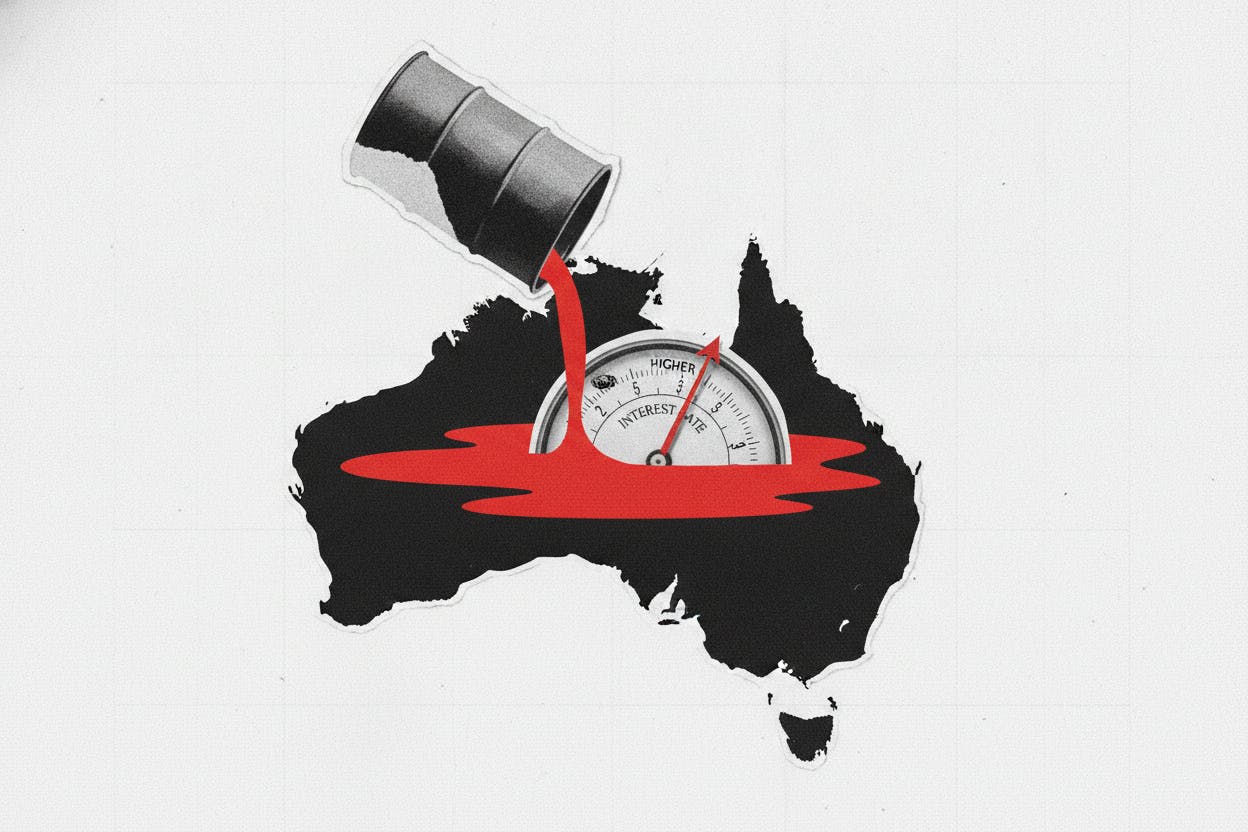
Australian businesses are feeling a bit more optimistic, even as global oil prices climb again. A closely watched survey from National Australia Bank (NAB) showed that business confidence improved in June, while price pressures continued to cool. But the good news was tempered by a fresh spike in oil prices, as renewed tensions in the Gulf region pushed Brent crude back to $85 a barrel.
What the NAB Survey Shows
The NAB survey, reported by Reuters, found that business conditions held steady at +3 in June for the third consecutive month. That's a solid reading, indicating that overall activity remains stable. More notably, business confidence improved sharply to -5 from -14 in May. While still negative, the jump suggests firms are less pessimistic about the months ahead.
The survey also offered encouraging signs on inflation. Product price growth slowed back to its February pace, and retail prices actually fell for the first time in seven years. That's a clear signal that the pricing pressures that have plagued the economy are beginning to ease, at least for now.
Why This Matters for the RBA
These figures are particularly important for the Reserve Bank of Australia (RBA), which has been battling inflation with aggressive interest rate hikes. The central bank has already lifted its policy rate three times this year to 4.35%, and has signaled that more tightening could be on the table if inflation doesn't cool fast enough.
The easing of price pressures in the NAB survey gives the RBA some breathing room. It suggests that the economy is slowing in a controlled way, without a sharp downturn. However, the renewed rise in oil prices complicates the picture. Higher energy costs can feed through to broader inflation, potentially undoing some of the progress made.
For everyday investors, this means the RBA's next moves are far from certain. If oil keeps climbing, the central bank may feel pressure to raise rates again, which could weigh on stock markets and increase borrowing costs for households and businesses.
Oil Jumps on Gulf Tensions
The jump in Brent crude to $85 a barrel was driven by escalating tensions in the Gulf region, a key transit route for global oil supplies. Any disruption there can quickly push up prices, as seen in previous geopolitical flare-ups. This is a reminder that energy markets remain sensitive to events beyond Australia's control.
Higher oil prices have a direct impact on Australian consumers and businesses. Fuel costs rise, which can increase transportation and production expenses. For companies in sectors like airlines, logistics, and manufacturing, this can squeeze profit margins. On the flip side, energy producers and miners may benefit from higher prices, as seen in recent moves in Australian shares.
What It Means for Investors
For investors, the mixed signals from the NAB survey and oil markets highlight the importance of diversification. The improvement in business confidence is a positive sign for the Australian economy, but the oil spike adds a layer of uncertainty.
Investors should watch for further data on inflation and consumer spending, as well as any RBA commentary. The central bank's next decision will be closely scrutinized. If inflation continues to ease, the RBA may hold rates steady, which could support a rally in stocks and bonds. But if oil-driven inflation persists, more rate hikes could be on the horizon.
In the meantime, sectors that benefit from higher oil prices, such as energy and mining, may see continued interest. Meanwhile, consumer-facing stocks and those sensitive to interest rates could face headwinds. As always, staying informed and avoiding knee-jerk reactions is key.
For more on how Australian markets are reacting, check out our coverage of Australian stocks poised for modest gains and the broader consumer confidence picture.