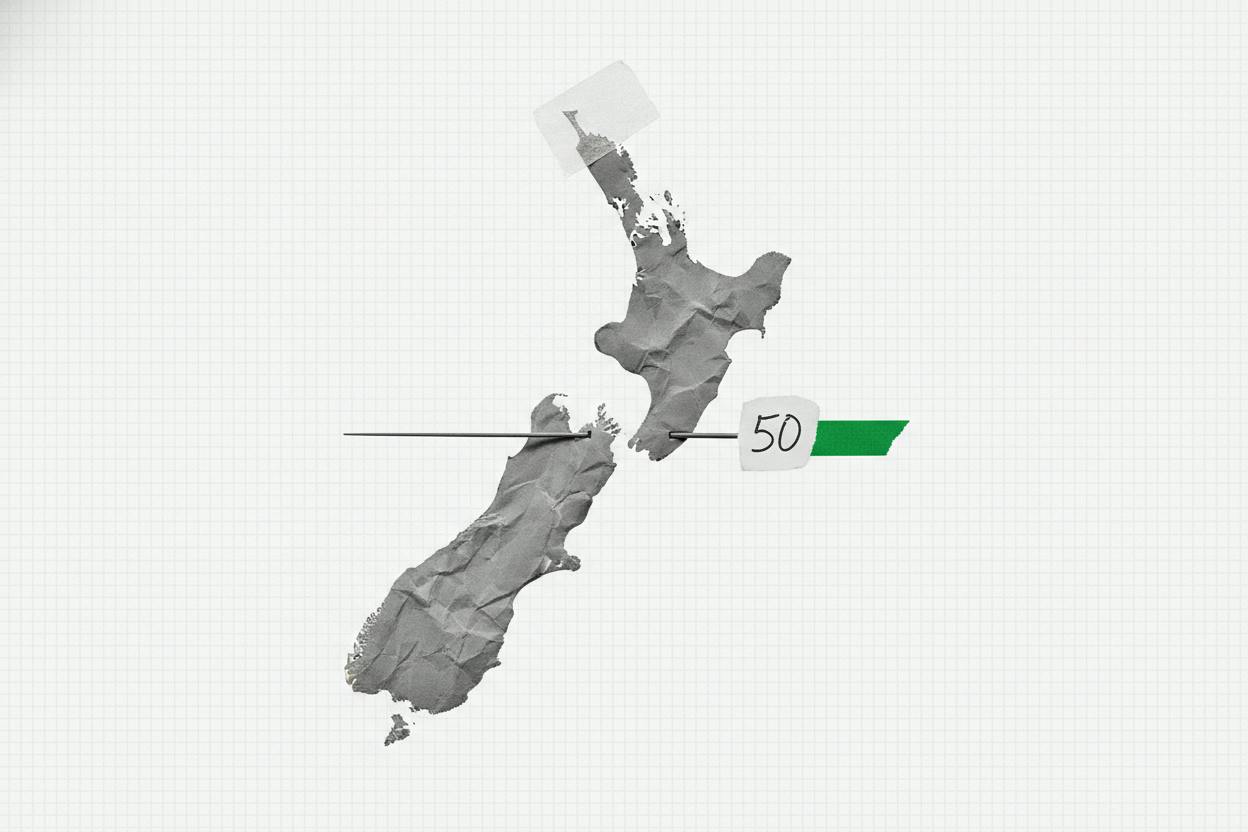
New Zealand businesses are showing signs of renewed optimism, thanks in part to easing fuel costs, even as the country's central bank keeps tightening monetary policy to rein in inflation. The latest Quarterly Survey of Business Opinion from the New Zealand Institute of Economic Research (NZIER) found that a net 8% of firms now expect economic conditions to improve over the coming months—a sharp turnaround from the previous quarter's net pessimism.
Fuel Costs Drive Sentiment Shift
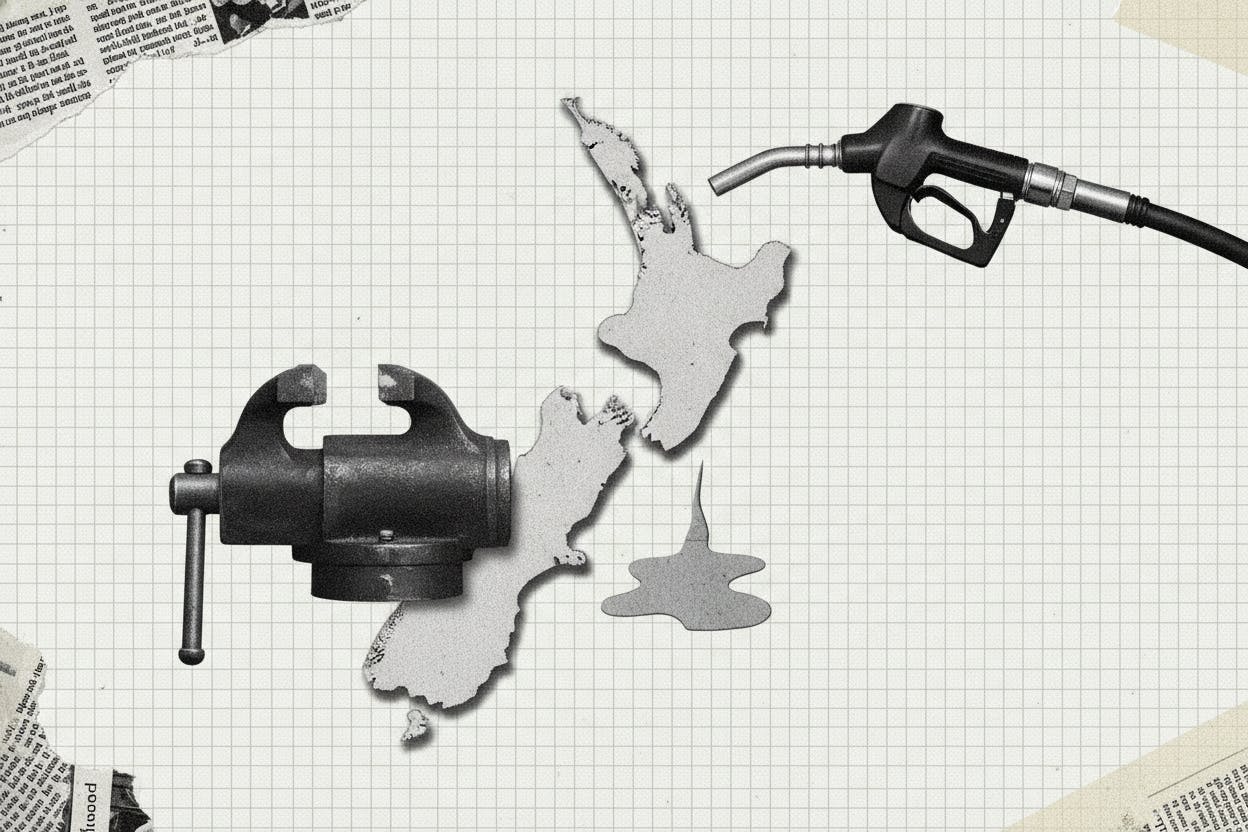
The improvement in business confidence comes as fuel prices have moderated from recent highs. Lower energy costs can have a rapid and broad impact on business sentiment because they affect transport, raw materials, and a wide range of everyday operating expenses. When fuel is cheaper, companies across sectors—from logistics to manufacturing to retail—see their cost pressures ease, which can boost margins and encourage more positive outlooks.
This dynamic is particularly important for an island nation like New Zealand, which relies heavily on imported fuel for transportation and industry. The recent decline in global oil prices has provided some relief to businesses that were squeezed by high energy costs earlier in the year. For context, New Zealand grocery costs rose 2.1% in June, partly due to fuel and geopolitical pressures, so any easing in energy prices is welcome news for both businesses and consumers.
RBNZ's Tightening Campaign Continues
Despite the brighter mood among businesses, the Reserve Bank of New Zealand (RBNZ) remains in inflation-fighting mode. The central bank has been aggressively raising its official cash rate to cool an overheated economy and bring inflation back within its target range. These rate hikes increase borrowing costs for businesses and households, which can dampen investment and spending.
The RBNZ has previously warned that persistent inflation pressures, including from energy prices, could force further rate increases. In fact, the central bank has warned that oil prices could force more rate hikes, highlighting the delicate balance it must strike between controlling inflation and supporting economic growth.
The NZIER survey captures this tension: businesses are feeling better about the future, but they are operating in an environment where the central bank is still tightening. The net 8% of firms expecting improvement is a notable shift from the prior quarter's negative reading, but it remains modest compared to historical recoveries.
What It Means for Investors
For everyday investors, the NZIER survey offers a mixed signal. On one hand, improving business confidence can be a leading indicator of stronger economic activity, which could support corporate earnings and share prices. On the other hand, the RBNZ's ongoing rate hikes mean that borrowing costs will continue to rise, potentially squeezing profits and consumer spending.
Investors should watch how the balance between easing input costs (like fuel) and tightening monetary policy plays out. If fuel prices stay low, it could help offset some of the drag from higher interest rates, particularly for sectors like transportation, manufacturing, and retail that are sensitive to energy costs. However, if inflation proves stubborn and the RBNZ is forced to hike further, the recent improvement in sentiment could prove short-lived.
The broader global context also matters. Lower energy costs are not unique to New Zealand; Goldman Sachs and UBS have predicted rare negative US inflation in June as energy costs fall, suggesting that the trend is global. This could ease inflation pressures worldwide, potentially allowing central banks to slow or pause their tightening cycles. For New Zealand, that would be a positive development, as it would reduce the risk of further aggressive rate hikes.
Additionally, the services sector in New Zealand has shown some resilience, with the services sector returning to growth in June, though the recovery remains fragile. This aligns with the NZIER survey's findings of improved but cautious optimism.
Looking Ahead
The key question for investors is whether the improvement in business confidence can be sustained. Much will depend on the trajectory of fuel prices and the RBNZ's next moves. If energy costs continue to ease, it could provide a tailwind for the economy and corporate profits. However, if inflation pressures persist, the central bank may have little choice but to keep raising rates, which could weigh on growth.
For now, the NZIER survey offers a glimmer of hope that the worst of the economic downturn may be passing. But with the RBNZ still in tightening mode, the road ahead remains uncertain. Investors should stay tuned to upcoming inflation data and central bank communications for clues about the future direction of policy and the economy.