Two of Wall Street's biggest banks are predicting an unusual event: a month-over-month decline in US inflation for June. Economists at Goldman Sachs and UBS believe falling energy prices will push the Consumer Price Index (CPI) into negative territory, a development that could reshape how investors think about Federal Reserve interest rate policy.
What the banks are saying
Goldman Sachs told clients it expects headline CPI fell 0.1% in June compared to May. UBS went further, forecasting a 0.25% drop, which the bank said would be the steepest one-month decline since April 2020, when the pandemic first crushed economic activity. The Consumer Price Index measures the average change in prices paid by consumers for goods and services. A negative reading means prices actually fell from the prior month, which is rare outside of deep recessions.
UBS's forecast is largely an energy story. The bank estimates that gasoline and other energy components will subtract 0.42 percentage points from the monthly change. That means without the energy drag, headline inflation would have been slightly positive. Energy prices have been under pressure recently due to global supply concerns and softer demand, as noted in our coverage of oil prices hitting $74.
Why this matters for the Fed
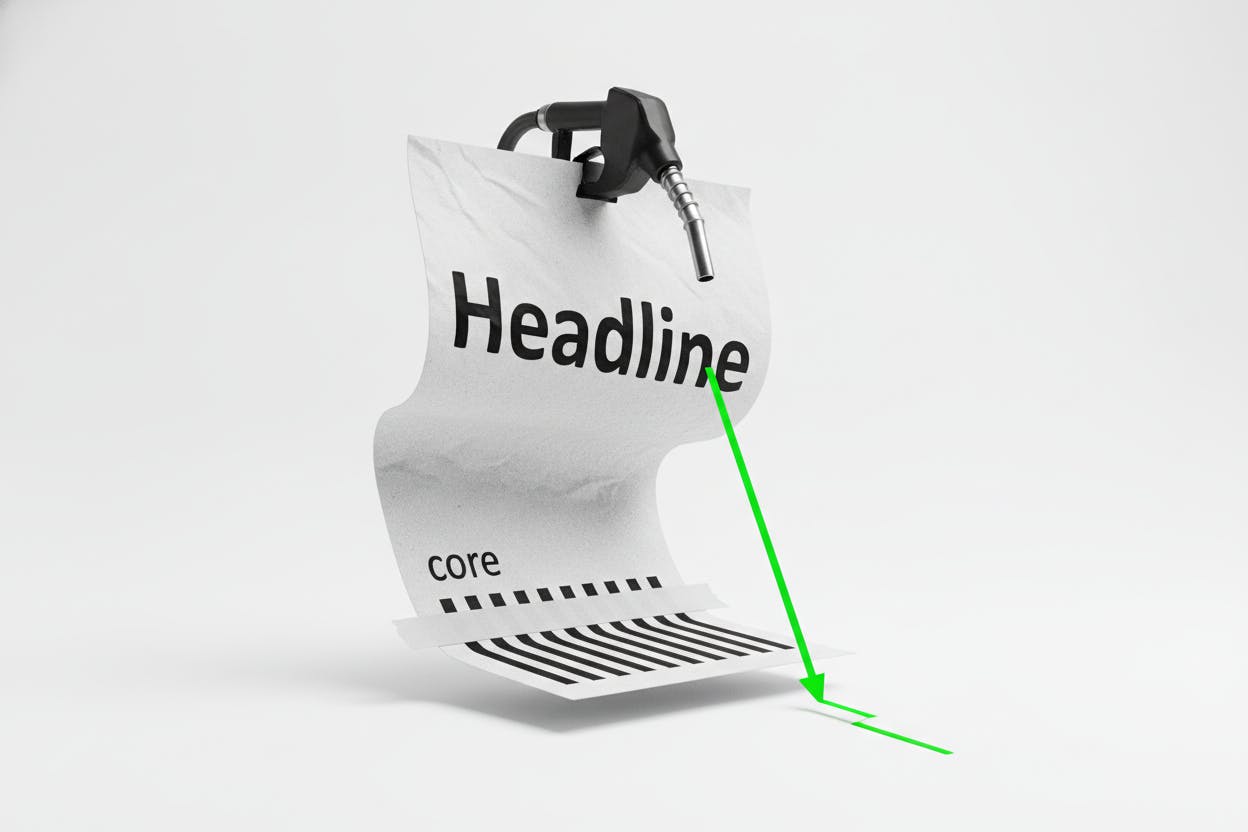
A negative CPI reading would be a significant milestone for the Federal Reserve, which has been battling elevated inflation for over two years. The central bank has raised interest rates aggressively to cool the economy and bring inflation down to its 2% target. While the Fed focuses more on core inflation, which strips out volatile food and energy prices, a headline decline would still be a powerful signal that price pressures are easing.
Fed rate expectations are already starting to shift. Traders in the futures market are increasingly betting that the central bank may cut rates sooner than previously anticipated. Lower inflation gives the Fed more room to ease policy without worrying about reigniting price pressures. The Fed has warned that tariffs, AI investment, and energy costs keep inflation stubbornly high, as we reported in our analysis of the Fed's latest warnings.
What it means for investors
For everyday investors, a negative CPI print could have several implications. First, it could boost bond prices, as falling inflation makes existing fixed-income investments more attractive. Second, it might lift stock market sentiment, particularly for growth stocks and technology companies that are sensitive to interest rate expectations. Lower rates reduce the discount rate applied to future earnings, making those stocks appear more valuable.
However, investors should be cautious about reading too much into one month's data. Energy prices are notoriously volatile, and a single negative CPI reading does not necessarily mean inflation is defeated. Core inflation, which excludes food and energy, is expected to remain positive. The broader trend will matter more than any single data point.
Energy stocks, which have benefited from higher oil prices, could face headwinds if crude continues to slide. Our earlier report on oil surges lifting energy stocks highlighted how sensitive these companies are to commodity prices. Conversely, sectors like retail and consumer discretionary could benefit if lower gasoline prices free up spending power for households.
What to watch next
The official June CPI report from the Bureau of Labor Statistics is due out later this month. Markets will be watching closely to see if the Wall Street forecasts prove accurate. If they do, expect a lively debate about whether the Fed should start cutting rates as early as September. The central bank's next policy meeting is in late July, and while a rate cut then is considered unlikely, the tone of the statement could shift if inflation continues to cool.
Investors should also keep an eye on energy markets. If oil prices stabilize or rebound, the negative CPI effect could be short-lived. Geopolitical developments, such as US-Iran talks, have kept oil prices in check recently, as noted in our coverage of those negotiations. Any disruption to supply could quickly reverse the energy-driven disinflation.
In the meantime, the prospect of negative inflation is a reminder that the economic landscape can shift quickly. For investors, staying diversified and focusing on long-term trends remains the soundest approach, rather than making bets based on a single month's data.