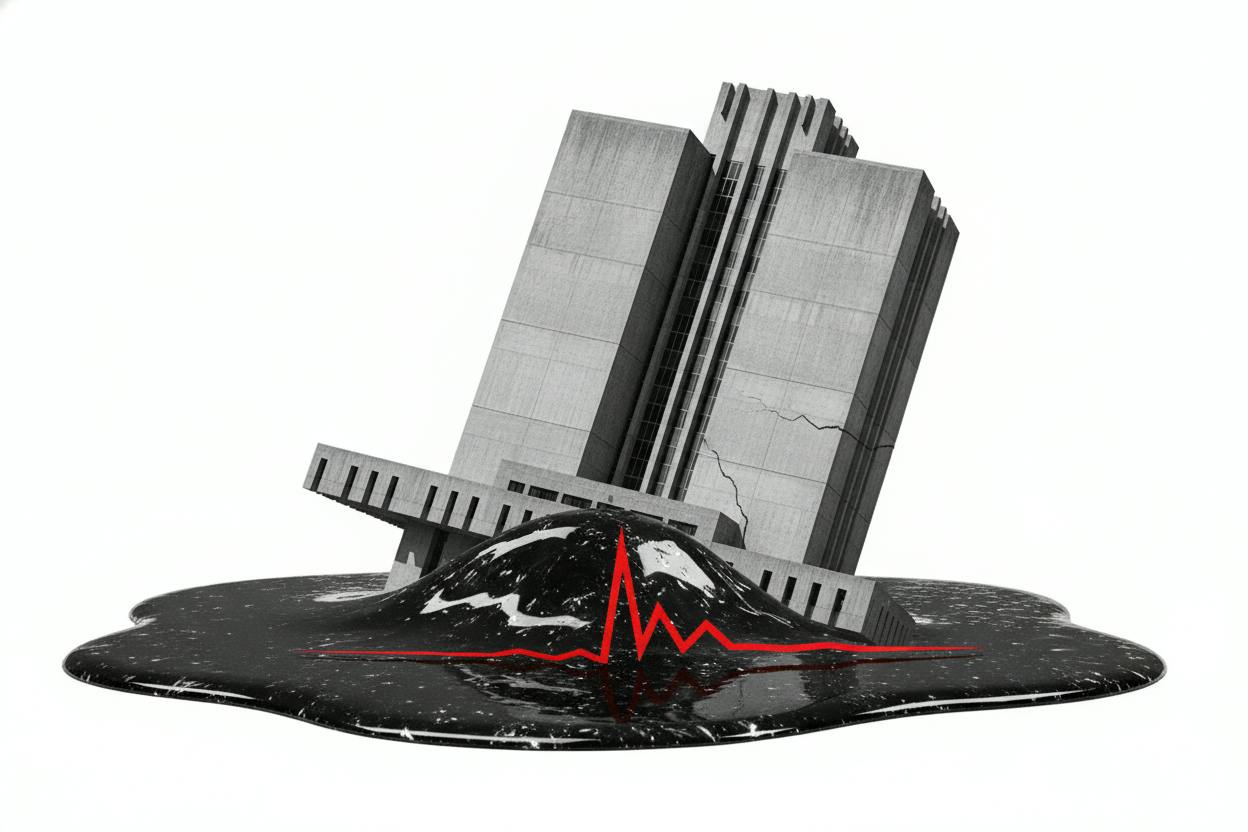
The Federal Reserve delivered a sobering update to Congress on Friday, revealing that its preferred inflation gauge is still running at roughly double its 2% target as of May. In a report released ahead of next week's monetary-policy hearings, the central bank said inflation "has risen this year and remains elevated," citing three unusual factors: tariffs, higher energy prices linked to Middle East conflict, and the massive buildout of artificial intelligence infrastructure.
What the Fed's Report Says
The Fed's semiannual Monetary Policy Report to Congress uses the Personal Consumption Expenditures (PCE) price index as its primary inflation measure. As of May, the PCE index was running about double the central bank's 2% goal, indicating that the progress made in late 2023 has stalled or reversed. The Fed described the current inflation as "elevated" and noted that it has risen this year, a shift from earlier expectations of a steady decline.
On the labor front, the picture is more balanced. The unemployment rate stood at 4.2% in June, and the Fed described the job market as "roughly in balance." However, the central bank cautioned that this balance is partly due to specific factors, including the impact of tariffs on imported goods and the surge in demand for energy and materials driven by AI-related investments.
Three Unusual Culprits Behind Sticky Inflation
The Fed's report highlights three distinct forces that are keeping inflation hot, each with its own implications for investors.
Tariffs
Tariffs on imported goods, particularly from China, are raising costs for businesses and consumers. The Fed noted that these trade barriers are contributing to higher prices for a range of products, from electronics to machinery. This is a reversal from the earlier phase of the pandemic recovery, when tariffs were seen as a minor factor. Now, they are a significant driver of inflation, especially as the U.S. and Europe have imposed new duties on Chinese electric vehicles and other goods.
Energy Prices and Middle East Conflict
Geopolitical tensions in the Middle East have pushed up energy prices, which feed into nearly every sector of the economy. The Fed pointed to higher oil and natural gas costs as a key reason inflation remains sticky. This is a global issue, as seen in other central banks' recent actions: the Bank of England has signaled possible rate hikes due to energy inflation, and Japan's wholesale inflation has accelerated, raising rate hike prospects.
The AI Buildout
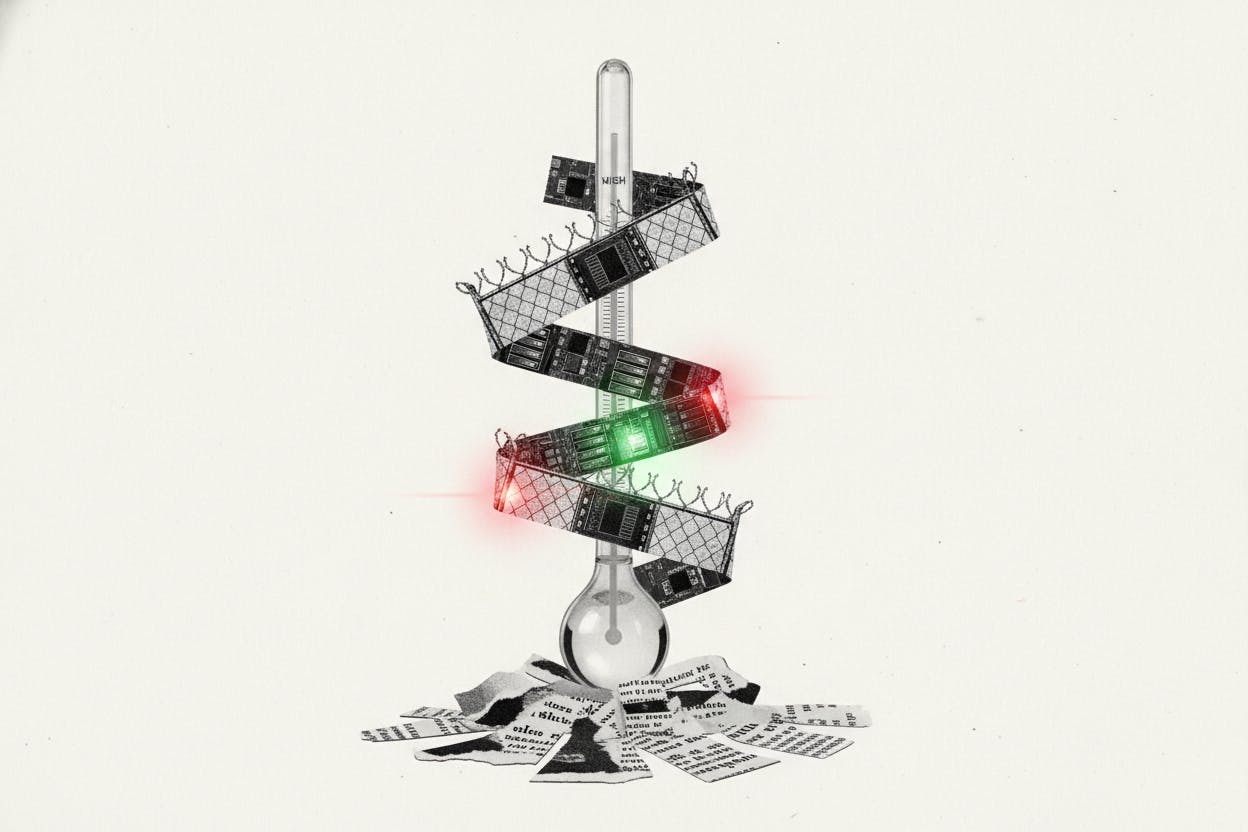
The massive investment in artificial intelligence infrastructure—data centers, specialized chips, and energy grids—is creating demand for materials and labor that is pushing up costs. The Fed noted that this "AI buildout" is a new and unusual factor, as it drives up prices for semiconductors, construction materials, and skilled workers. This is a long-term trend that could keep inflation elevated even as other pressures ease.
What It Means for Investors
For everyday investors, the Fed's report signals that interest rates are likely to stay higher for longer. The central bank has been clear that it needs to see sustained progress on inflation before cutting rates, and this report suggests that progress is not yet assured. The Fed's own minutes from previous meetings have shown policymakers ready to hike again if inflation stays stubborn, a possibility that investors should keep in mind.
The labor market's balance is a double-edged sword. While a 4.2% unemployment rate is historically low, the Fed's concern is that a tight labor market could fuel wage inflation, which would further complicate its fight against rising prices. However, the current balance suggests that the economy is not overheating, which could give the Fed room to wait before acting.
Investors should also watch for the impact of tariffs on specific sectors. Companies that rely heavily on imported components, such as automakers and tech firms, may face margin pressure. Conversely, domestic producers and energy companies could benefit from higher prices. The AI buildout is a long-term theme that could support stocks in the semiconductor and data center space, but it also means higher costs for the broader economy.
Global Context
The Fed's inflation struggle is not unique. Central banks around the world are grappling with similar pressures. In Europe, the Czech central bank has held firm on rates despite slowing inflation, while Poland's central bank has raised its inflation forecast. In Asia, Taiwan's central bank has raised its 2026 inflation forecast after a Q2 CPI overshoot, and Japan's wholesale inflation is accelerating. Even in Latin America, where inflation has cooled more than expected in Brazil, the central bank has leeway to cut rates, but it remains cautious.
The Fed's report also comes amid a broader debate about the role of tariffs in inflation. The European Union's recent tariffs on Chinese tires and U.S. targets on vehicle tech have added to global trade tensions, which could further complicate the inflation outlook.
Looking Ahead
Investors will be closely watching next week's monetary-policy hearings, where Fed Chair Jerome Powell is expected to face tough questions from lawmakers about the central bank's strategy. The key question is whether the Fed will need to raise rates again or if it can afford to wait for inflation to cool on its own. The answer will depend on whether the three unusual culprits—tariffs, energy prices, and the AI buildout—continue to keep inflation hot.
For now, the message is clear: the path to 2% inflation is longer and bumpier than hoped, and investors should brace for a period of higher rates and persistent price pressures.