The Federal Reserve is entering a critical week with policymakers publicly split on what to do next with interest rates. Governor Christopher Waller has made clear that the central bank's next move will depend on whether core inflation — a key measure that strips out volatile food and energy prices — shows meaningful signs of cooling.
Waller's comments come as the Fed prepares to receive June inflation data and as Chair Kevin Warsh is set to testify before Congress on July 14-15. The back-to-back events will give markets their clearest look yet at whether the central bank is leaning toward another rate hike or a prolonged pause.
Why Core Inflation Matters
Core inflation is the Fed's preferred gauge for underlying price pressures because it removes the noise of gasoline and grocery swings. While headline inflation has eased in recent months, core measures have proven stickier, keeping the debate inside the central bank alive.
Minutes from the Fed's June 16-17 meeting revealed "considerable divergence" among officials on the outlook. Some policymakers argued that progress on inflation had stalled and that further tightening might be needed. Others pointed to signs that the economy was slowing and warned against overdoing it.
Waller, known as a hawkish voice, has now placed the burden of proof squarely on the data. "The next call on rates will be driven by core prices," he said, signaling that he is not yet convinced inflation is under control.
What to Watch This Week
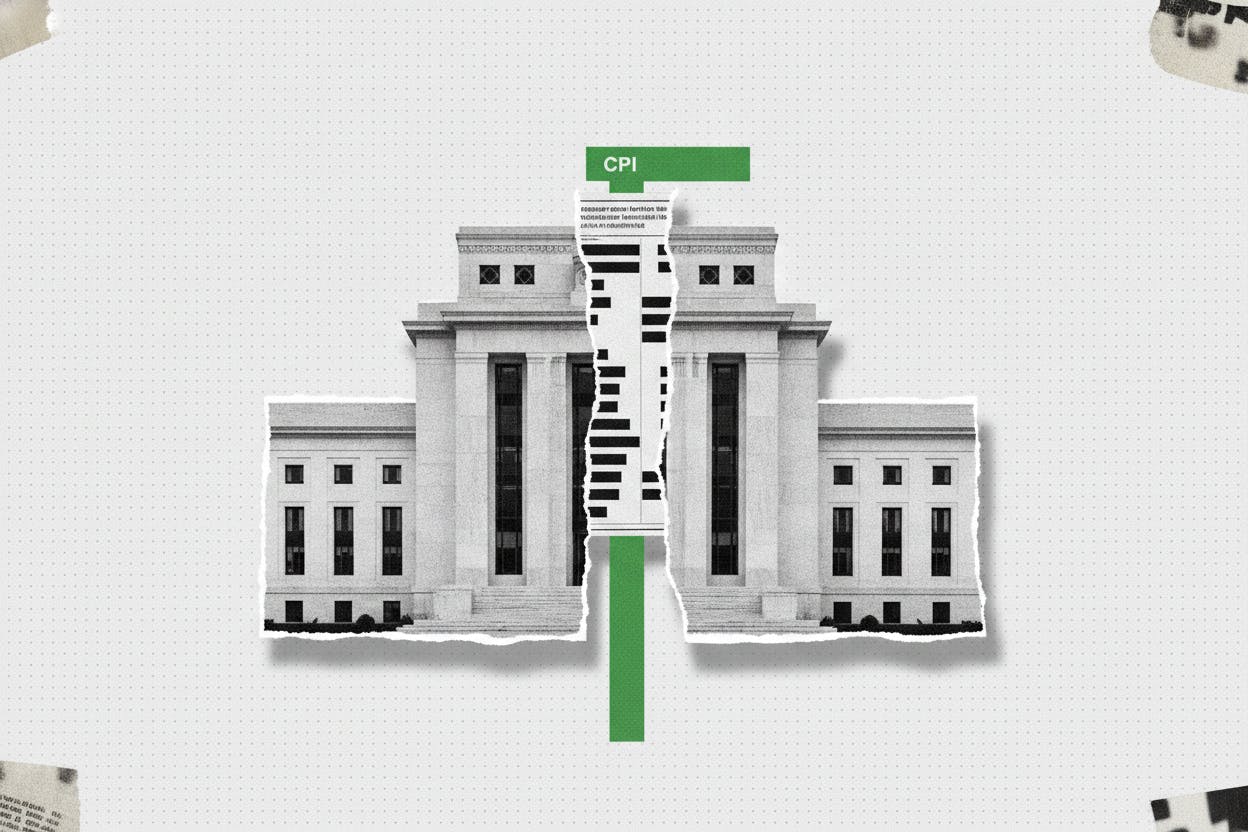
The June Consumer Price Index (CPI) report, due out just before Warsh's testimony, is expected to show some relief in the headline number as energy costs moderate. But economists anticipate less progress in the core measure, which could keep the Fed in wait-and-see mode.
Chair Warsh's appearance on Capitol Hill will be his first since taking the helm. Lawmakers are likely to press him on the Fed's strategy, especially as the dollar holds steady and bond markets price in uncertainty. Investors will parse every word for clues on whether the Fed is leaning toward a cut later this year or preparing to hold rates higher for longer.
The split among officials is not unique to the U.S. Central banks globally are grappling with similar dilemmas. Eurozone inflation has cooled in France and Germany, but core pressures remain elevated. Meanwhile, India's inflation has topped the RBI's target as food and fuel costs surge, showing that the inflation fight is far from over worldwide.
What It Means for Investors
For everyday investors, the Fed's internal debate translates directly into market volatility. If core inflation comes in hotter than expected, it could push the Fed toward another rate hike, which would likely weigh on stocks and bonds. A cooler reading, on the other hand, could fuel hopes that rate cuts are on the horizon.
Bond yields have already been moving in response to inflation fears. Treasury yields rose recently as a tanker slowdown in the Strait of Hormuz stirred fresh inflation concerns. Higher yields make borrowing more expensive for companies and consumers, which can slow economic growth.
Investors should also keep an eye on the broader backdrop. Big bank earnings, inflation data, and Iran tensions are all shaping the market week. Geopolitical risks, such as disruptions in oil shipping routes, can feed into inflation and complicate the Fed's job.
The bottom line: The Fed is data-dependent, and this week's inflation report is the biggest piece of data on the table. Until core inflation shows sustained improvement, the central bank is likely to remain cautious — and markets will have to live with the uncertainty.