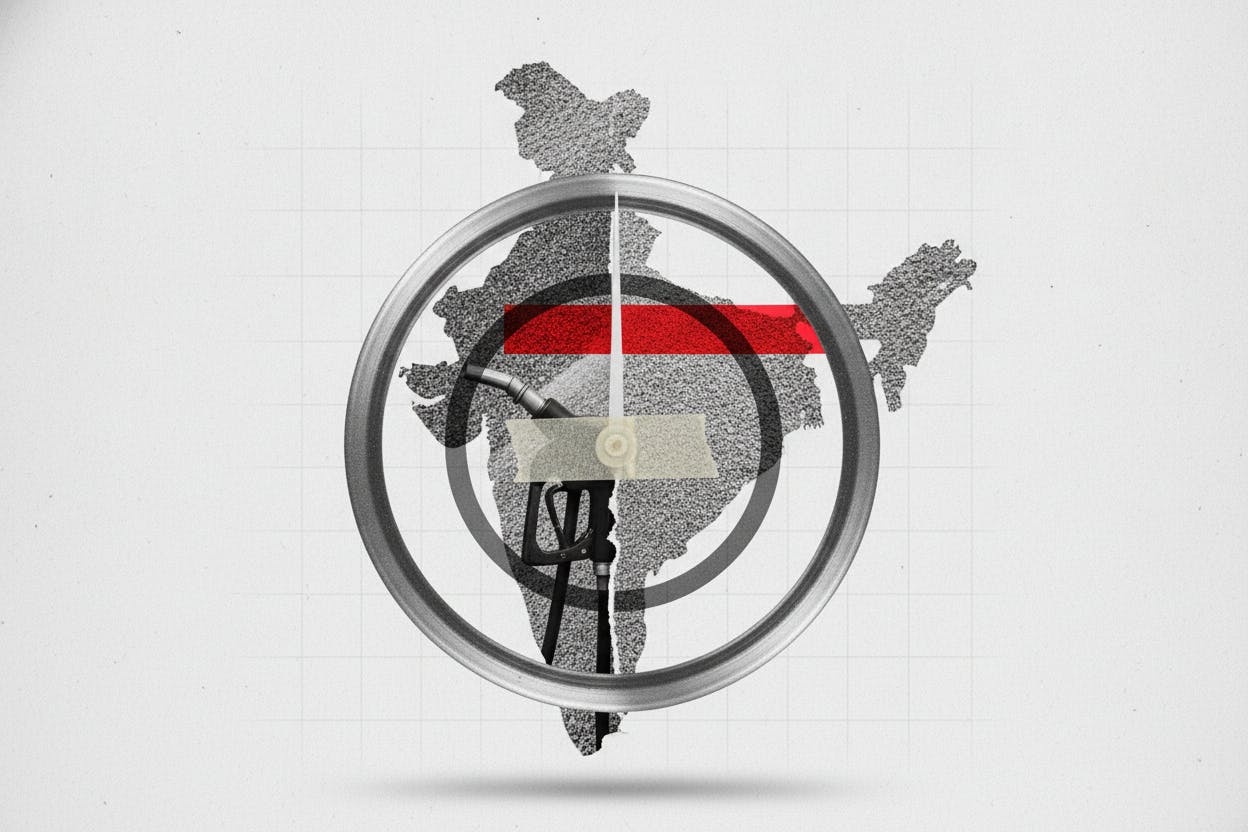
India's consumer price inflation accelerated to 4.38% in June, moving back above the Reserve Bank of India's (RBI) 4% target for the first time in months. The increase, driven by higher food and fuel costs, has reignited debate over how long the central bank can keep its benchmark interest rate at 5.25%.
The June reading, based on the Consumer Price Index (CPI), came in slightly above economists' expectations in a Reuters poll. It marks a notable jump from May's 4.25% and April's 4.31%, signaling that price pressures are building again after a period of relative calm.
What's Driving the Spike?
The latest inflation surge appears to be driven more by supply-side factors than by strong consumer demand. Food inflation, a key component of the Indian CPI basket, accelerated to 5.32% in June from 4.97% in May. Delayed monsoon rains disrupted agricultural output, pushing up prices for vegetables, pulses, and other staples.
Fuel costs also played a major role. State-owned oil marketing companies raised pump prices four times in May, which pushed transport inflation to 4.31% from just 1.75% a month earlier. This ripple effect is being felt across the economy, as higher fuel costs increase the price of moving goods and raw materials.
The broader energy backdrop adds to the pressure. Global oil prices have been volatile, and recent geopolitical tensions have kept crude elevated. For a net oil importer like India, this translates directly into higher import bills and domestic fuel costs. For more on how oil prices are affecting currencies and inflation globally, see our coverage of Oil Surge Sends Aussie and Kiwi Lower as Dollar Gains on Inflation Fears.
The RBI's Dilemma
The RBI has kept its policy repo rate at 5.25% since April 2023, after a series of hikes that took the rate from 4.00% to 6.50% between May 2022 and February 2023. The central bank then cut rates twice in early 2023 to support growth, settling at the current level.
Now, with inflation back above target, the RBI faces a classic central bank trade-off: keep rates low to support economic growth, or raise them to cool inflation. The June CPI data makes the second option more likely, though the RBI has signaled it wants to see sustained inflation below 4% before easing further.
Food and fuel inflation are notoriously volatile and often outside the central bank's direct control. However, if these supply-driven price increases start to feed into broader expectations—what economists call "second-round effects"—the RBI may feel compelled to act. Higher inflation expectations can lead workers to demand higher wages and businesses to raise prices, creating a self-reinforcing cycle.
What It Means for Investors
For everyday investors, the return of above-target inflation has several implications. First, it reduces the likelihood of near-term interest rate cuts. If the RBI holds rates steady or even raises them, borrowing costs for home loans, car loans, and business credit will remain elevated. That can weigh on corporate profits and stock market sentiment, particularly for rate-sensitive sectors like banking, real estate, and consumer durables.
Second, higher inflation erodes the real return on fixed-income investments like bonds and fixed deposits. If inflation is 4.38% and a fixed deposit yields 6%, the real return is only about 1.62%. Investors may need to consider inflation-protected assets or equities with pricing power to preserve purchasing power.
Third, the inflation data adds to a global narrative of sticky prices. Central banks in the US, Europe, and elsewhere are also grappling with inflation that is proving stubborn. This can keep global interest rates higher for longer, affecting everything from currency exchange rates to emerging market capital flows. For context on how inflation data and geopolitical events are shaping markets, see Big Bank Earnings, Inflation Data, and Iran Tensions Shape Market Week.
What to Watch Next
Investors will be closely watching the RBI's next monetary policy meeting, scheduled for August. The central bank's commentary on inflation and growth will be key. If the RBI signals a hawkish tilt—meaning it is more worried about inflation than growth—markets could react negatively.
Also important are the monsoon rains. A normal monsoon can help bring down food prices in the coming months, potentially easing inflation. But if rains remain erratic, food inflation could stay elevated.
Finally, global oil prices will be a major factor. Any further spike in crude could push Indian fuel costs higher, adding to inflationary pressures. For a related example of how fuel costs are impacting other economies, see New Zealand Grocery Costs Rise 2.1% in June as Fuel and Geopolitical Pressures Mount.
The bottom line: India's inflation story is far from over. The June CPI reading is a reminder that price stability remains elusive, and the RBI's job is not yet done. For investors, staying diversified and keeping an eye on inflation-sensitive sectors is a prudent approach in this environment.