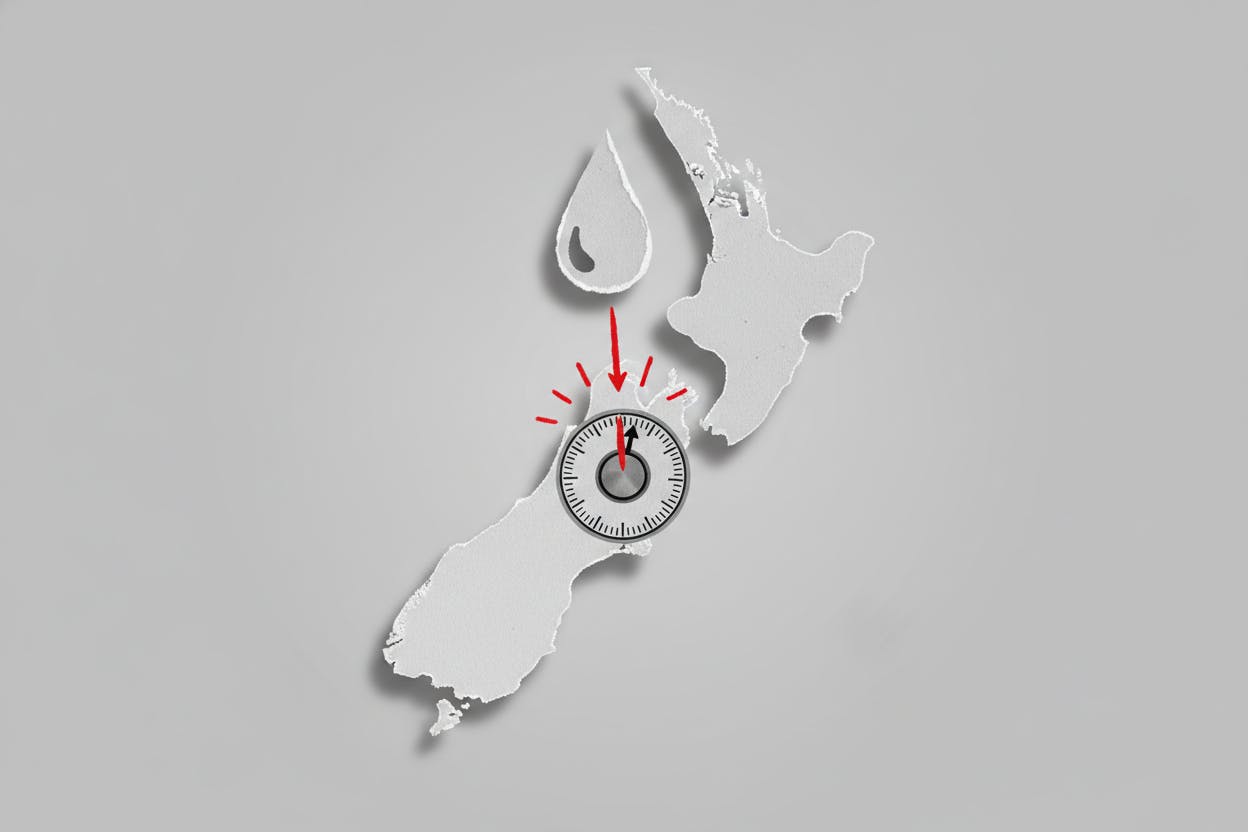
The Reserve Bank of New Zealand (RBNZ) is signaling that more interest rate increases could be on the way, as higher oil prices tied to geopolitical tensions risk keeping inflation elevated. Chief Economist Paul Conway warned that firms are feeling pressure to pass on rising energy and shipping costs, which could lift inflation expectations and make price hikes more likely.
The comments come just days after the RBNZ raised its official cash rate by 25 basis points to 2.5%, a move that was widely expected by markets. But Conway's remarks suggest the central bank sees the battle against inflation as far from over, even as other central banks around the world begin to pause or slow their tightening cycles.
Why Oil Prices Matter for Rate Decisions
Oil prices have climbed sharply in recent weeks, driven by fears of supply disruptions in the Middle East. The Strait of Hormuz, a critical chokepoint for global oil shipments, has been a particular focus of concern. As oil jumped 4% on Strait of Hormuz fears, the impact is being felt far beyond energy markets.
Higher oil prices feed directly into the cost of transporting goods, heating homes, and fueling vehicles. For New Zealand, a small, trade-dependent economy, the effect is especially pronounced. The country has already seen grocery costs rise 2.1% in June, partly due to higher fuel and shipping expenses.
Conway warned that if businesses pass on these higher costs to consumers, it could create a self-reinforcing cycle. When people expect prices to keep rising, they demand higher wages, and companies then raise prices further to cover those wage costs. This is what economists call "second-round effects," and it is exactly what central banks are trying to prevent.
What This Means for Investors
For everyday investors, the key takeaway is that New Zealand's interest rates may have further to rise. Higher rates typically weigh on stock valuations, especially for growth-oriented companies, because they increase borrowing costs and reduce the present value of future earnings. They also make bonds and savings accounts more attractive relative to stocks.
Investors should also watch how this affects the New Zealand dollar. Higher interest rates tend to support a currency, as they attract foreign capital seeking better returns. But if the economy slows sharply under the weight of rate hikes, the currency could weaken instead.
The RBNZ's hawkish stance stands in contrast to some other central banks. For example, the Federal Reserve has signaled it may be nearing the end of its tightening cycle, while the European Central Bank is also debating a pause. New Zealand's situation is more complicated because its economy is more exposed to commodity price shocks and global trade disruptions.
Broader Economic Context
New Zealand's economy has shown some signs of resilience. The services sector returned to growth in June, though the recovery remains fragile. However, the central bank is clearly worried that inflation could become entrenched if it does not act decisively.
The RBNZ's chief economist also highlighted that the risks are not just from oil. Shipping costs have risen globally, and supply chain disruptions continue to add to price pressures. These factors are particularly challenging for an island nation that relies heavily on imports.
For investors, the message is clear: the rate hiking cycle in New Zealand may have further to run. That means bond yields could rise further, and stock market gains may be capped. It also means that companies with high debt levels or exposure to consumer spending could face headwinds.
As always, the best approach for everyday investors is to stay diversified and avoid making big bets based on short-term rate expectations. The RBNZ's next move will depend on incoming data, especially inflation readings and employment figures. If oil prices continue to climb, the case for another rate hike will only grow stronger.