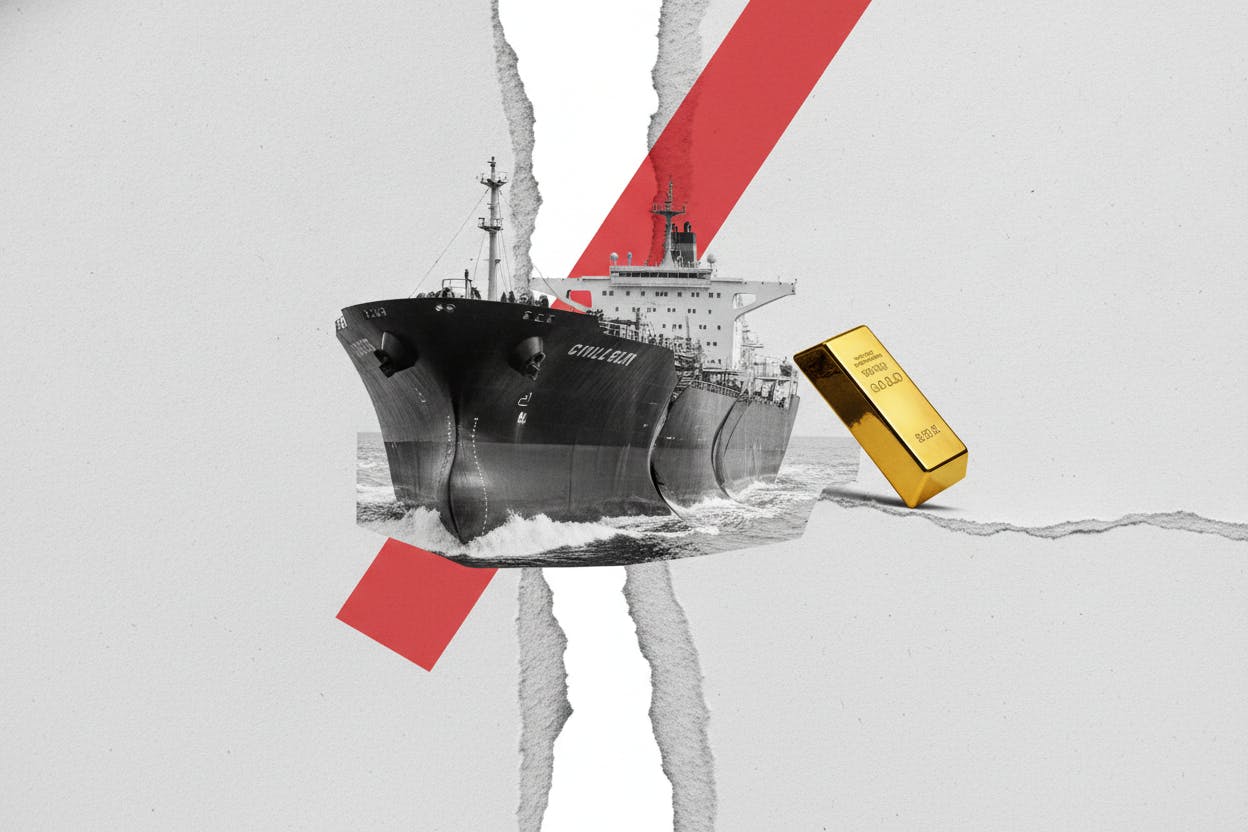
Oil prices surged more than 4% on Tuesday after renewed US-Iran military strikes raised fears that traffic through the Strait of Hormuz could be disrupted. The move came as London's FTSE 100 index edged up 0.21%, while gold fell over 1% in a day of mixed signals for investors.
What's driving the oil spike?
The Strait of Hormuz is one of the world's most critical shipping routes for crude oil, with about a fifth of global petroleum consumption passing through it. Any hint of interference can quickly lift oil prices, as traders price in the risk of supply shortages. The latest US-Iran attacks have revived those fears, pushing benchmark crude prices sharply higher.
This is not the first time tensions in the region have rattled markets. Earlier this year, similar concerns over a potential closure of the strait sent oil prices soaring, as we covered in Oil Surges Over 4% as US-Iran Strikes and Strait of Hormuz Closure Rattle Markets. The current escalation adds to that uncertainty.
Why gold fell despite geopolitical stress
Gold is often seen as a safe haven during geopolitical turmoil, but Tuesday's decline shows that other forces can outweigh that appeal. The metal does not pay interest, so when traders start pricing in a "rates higher for longer" response from central banks, gold can struggle.
Higher oil prices feed into inflation expectations, as crude costs affect transport and production across the economy. If central banks respond by keeping interest rates elevated, bond yields tend to rise. That increases the opportunity cost of holding gold, since it offers no income while cash and bonds do. As we noted in Treasury Yields Rise as Strait of Hormuz Tanker Slowdown Stirs Inflation Fears, this dynamic can pressure gold even when the news flow feels tense.
FTSE 100: a mixed corporate backdrop
London's blue-chip index managed a small gain, but beneath the surface, company news was varied. Gene-sequencing firm Oxford Nanopore Technologies flagged that its first-half revenue would come in below its own expectations, a disappointment for investors who had hoped for stronger growth in the diagnostics and research tools space.
Drugmaker GSK provided a brighter note, announcing that its cancer drug Jemperli met the main goal in a mid-stage trial. Positive trial results can be a significant catalyst for pharmaceutical stocks, though the full commercial impact often takes years to materialise.
Recruiter PageGroup topped second-quarter gross profit forecasts, thanks to strength in the Americas and Asia offsetting weaker conditions in Europe and the UK. The result suggests that while some regions are slowing, others continue to generate demand for hiring services.
What it means for investors
The oil price jump is more than just a headline for energy stocks. It reprices inflation risk across the board. If traders believe higher crude will push up transport and production costs, they may expect central banks to keep monetary policy restrictive for longer. That can lift bond yields, which tend to weigh most on long-duration assets — investments whose value depends heavily on profits far in the future, like many growth stocks.
For everyday investors, the key takeaway is that geopolitical events can create crosscurrents in markets. A spike in oil may benefit energy companies but hurt sectors sensitive to higher costs, such as airlines and manufacturers. Meanwhile, gold's safe-haven appeal can be overshadowed by rising yields, as we saw on Tuesday.
Investors will be watching for any further developments in US-Iran relations and how central banks respond to the inflation signals from higher oil prices. The situation in the Strait of Hormuz remains fluid, and any escalation could trigger further volatility in energy markets and beyond.