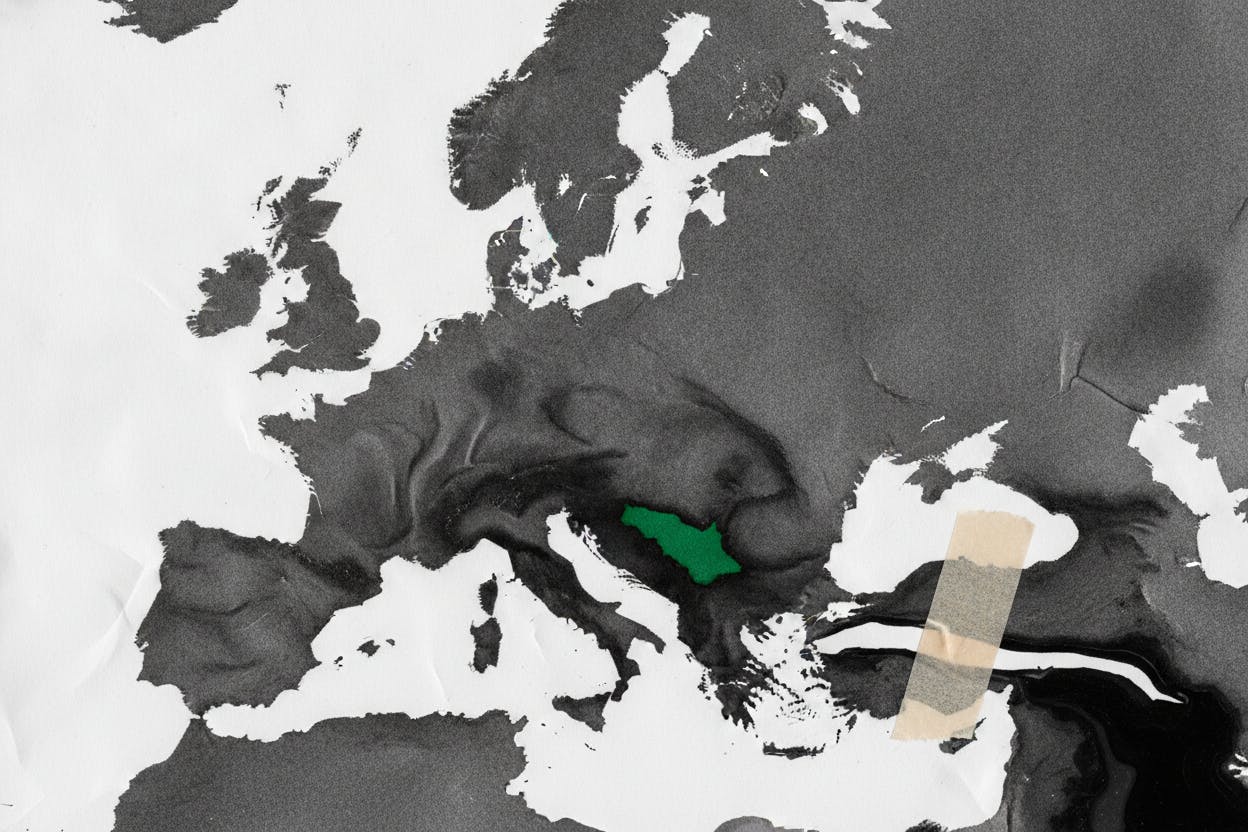
Central and Eastern European currencies took a hit on Tuesday after Iran said it had again closed the Strait of Hormuz, a critical chokepoint for global oil shipments. The move sent crude prices higher and rattled investor sentiment across the region, with Hungary's forint leading the losses.
The Strait of Hormuz, a narrow waterway between the Persian Gulf and the Gulf of Oman, is one of the world's most important oil transit routes. Roughly one-fifth of the world's petroleum passes through it daily. Any disruption there tends to send oil prices climbing and currencies in energy-importing regions like Central and Eastern Europe sliding, as higher energy costs can weigh on trade balances and inflation.
Forint Under Pressure
Hungary's forint was the worst performer among regional currencies, falling sharply against the euro and the dollar. The country relies heavily on imported energy, making it particularly vulnerable to oil price spikes. A weaker forint can also feed into inflation by making imports more expensive, which may complicate the central bank's efforts to keep price pressures in check.
Other currencies in the region, including the Polish zloty and the Czech koruna, also declined, though less dramatically. The broader sell-off reflects a flight from riskier assets as investors reassess the geopolitical landscape. Similar moves have been seen in other energy-sensitive markets; for instance, South Africa faced its own oil shock and rand pressure after Iran's earlier claims of a closure.
Oil Prices Surge
Brent crude oil prices jumped on the news, adding to gains from earlier in the week. The closure of the Strait of Hormuz threatens to disrupt supply from major producers like Saudi Arabia, Iraq, and the United Arab Emirates. While Iran has made similar threats in the past, the actual closure—if sustained—could have significant consequences for global energy markets.
Higher oil prices tend to have a mixed impact on different economies. For oil-exporting nations, they can be a boon. But for import-dependent regions like Central and Eastern Europe, they often mean higher costs for businesses and consumers, slower economic growth, and pressure on currencies. This dynamic has played out before: a previous oil surge sent the Australian and New Zealand dollars lower as the greenback gained on inflation fears.
What It Means for Investors
For everyday investors, the immediate takeaway is that geopolitical events can quickly ripple through currency and commodity markets. A spike in oil prices can raise the cost of fuel, heating, and transportation, potentially feeding into higher inflation. That, in turn, could influence central bank policy decisions on interest rates.
Investors with exposure to Central and Eastern European assets—whether through stocks, bonds, or currency ETFs—should be aware of the region's sensitivity to energy shocks. Currencies like the forint and zloty may remain under pressure as long as the Strait of Hormuz situation remains unresolved. Conversely, a reopening of the waterway could provide relief, as seen in other markets when tensions eased: the ASX stabilized after the Hormuz reopening.
Energy stocks in other regions have sometimes benefited from higher oil prices, but the broader market mood can be dampened by uncertainty. For example, an oil surge lifted energy stocks but tech slides dragged the ASX 200 lower, illustrating the mixed effects.
Looking Ahead
Markets will be watching closely for any further developments from Iran and the response from other Gulf nations and global powers. Diplomatic efforts to reopen the strait could calm nerves, while any escalation might deepen the sell-off. Central banks in the region may also step in with interventions or policy adjustments if currency moves become too disruptive.
For now, the message for investors is clear: geopolitical risk remains a key factor in currency and commodity markets, and events in the Middle East can have far-reaching consequences for portfolios far from the region.



