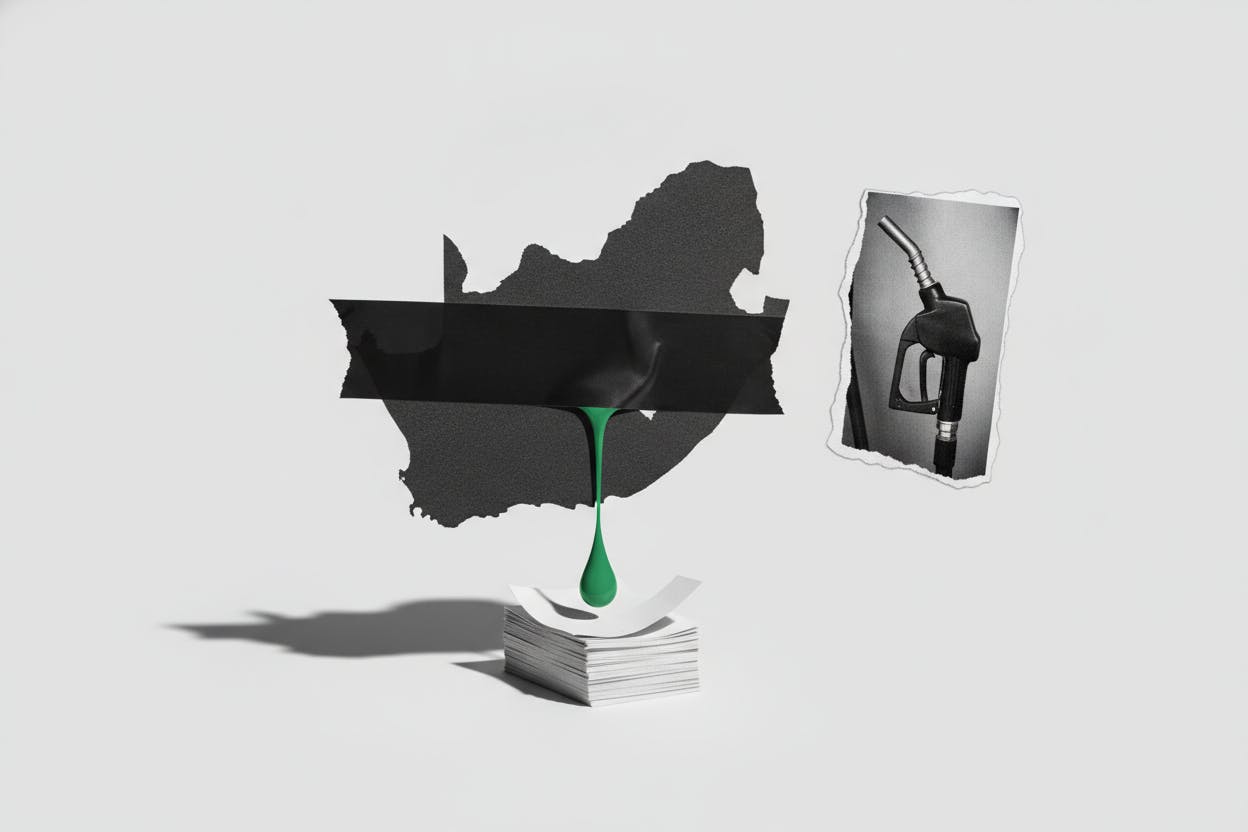
South African markets opened the week on a tense note Monday, as Iran's claim to have closed the Strait of Hormuz sent oil prices surging and rattled global investors. Locally, the day also brought a Treasury bill auction and fresh data on foreign buying and selling of South African bonds and equities, adding a domestic layer to the geopolitical jitters.
What Happened?
Iran's announcement over the weekend that it had shut the Strait of Hormuz — a narrow waterway through which about a fifth of the world's oil passes — immediately pushed crude prices higher. The move escalated tensions in the Middle East and stoked fears of supply disruptions. Global markets reacted with caution, and South Africa was no exception.
On the local front, the National Treasury held its regular auction of short-term government debt, or Treasury bills, while the Johannesburg Stock Exchange released data on foreigners' net purchases or sales of bonds and equities for the previous week. These figures give investors a snapshot of foreign sentiment toward South African assets.
Why It Matters for South Africa
South Africa is a net importer of oil, meaning it buys more crude from abroad than it sells. When global oil prices spike, the cost of importing fuel rises, and that quickly filters through to the pump. Higher petrol and diesel prices feed into broader inflation, as transport and production costs increase across the economy.
For everyday investors, that matters because the South African Reserve Bank (SARB) keeps a close eye on inflation. If the central bank expects inflation to stay above its target range, it tends to keep interest rates higher for longer. Higher rates make borrowing more expensive — for mortgages, car loans, and business expansion — and can slow economic growth.
Higher rates also tend to support the rand in the short term, but the currency remains vulnerable to global risk sentiment. When geopolitical tensions rise, investors often flee emerging-market currencies like the rand in favor of safe havens like the US dollar. That can push the rand weaker, which in turn makes imports — including oil — even more expensive, creating a feedback loop.
Oil and the Rand: A Delicate Balance
The Strait of Hormuz closure claim is the latest flashpoint in a broader escalation between the US and Iran. For South Africa, the immediate concern is the impact on fuel prices and inflation expectations. The country's inflation rate has been hovering near the upper end of the SARB's 3%–6% target band, and an oil-driven spike could push it higher.
Investors will be watching the rand closely. A sharp depreciation would raise the cost of imported goods and could prompt the SARB to hold rates steady or even hike them, contrary to hopes that the central bank might start cutting rates later this year. The Treasury bill auction results will also be scrutinized: if yields rise, it suggests investors are demanding a higher premium to hold South African debt, reflecting increased perceived risk.
Foreign trading data, meanwhile, offers a window into whether international investors are pulling money out of South African markets. In recent months, foreigners have been net sellers of both bonds and equities, partly due to global uncertainty and domestic concerns about fiscal discipline and growth. A continuation of that trend could add further pressure on the rand and bond yields.
What to Watch Next
For South African investors, the key variables are oil prices and the rand exchange rate. If the Strait of Hormuz situation de-escalates quickly, oil prices could retreat, easing inflation fears. But if tensions persist or escalate, the impact on South Africa could be more prolonged.
The SARB's next monetary policy meeting is also on the horizon. Any shift in inflation expectations could influence the central bank's rate decision. Meanwhile, global markets will be watching for any official confirmation or denial of the Strait of Hormuz closure, as well as diplomatic efforts to defuse the situation.
For now, South African investors are navigating a familiar but uncomfortable combination: external shocks that test the resilience of the local economy and the rand. The Treasury bill auction and foreign trading data provide real-time clues about how the market is pricing those risks.
Related reading: Oil Surges Over 4% as US-Iran Strikes and Strait of Hormuz Closure Rattle Markets, Oil Surges Past $78 as Strait of Hormuz Tensions Rattle Markets, Yuan Slips as Gulf Tensions Boost Dollar, PBOC Sets Strongest Fix Since Feb 2023.



