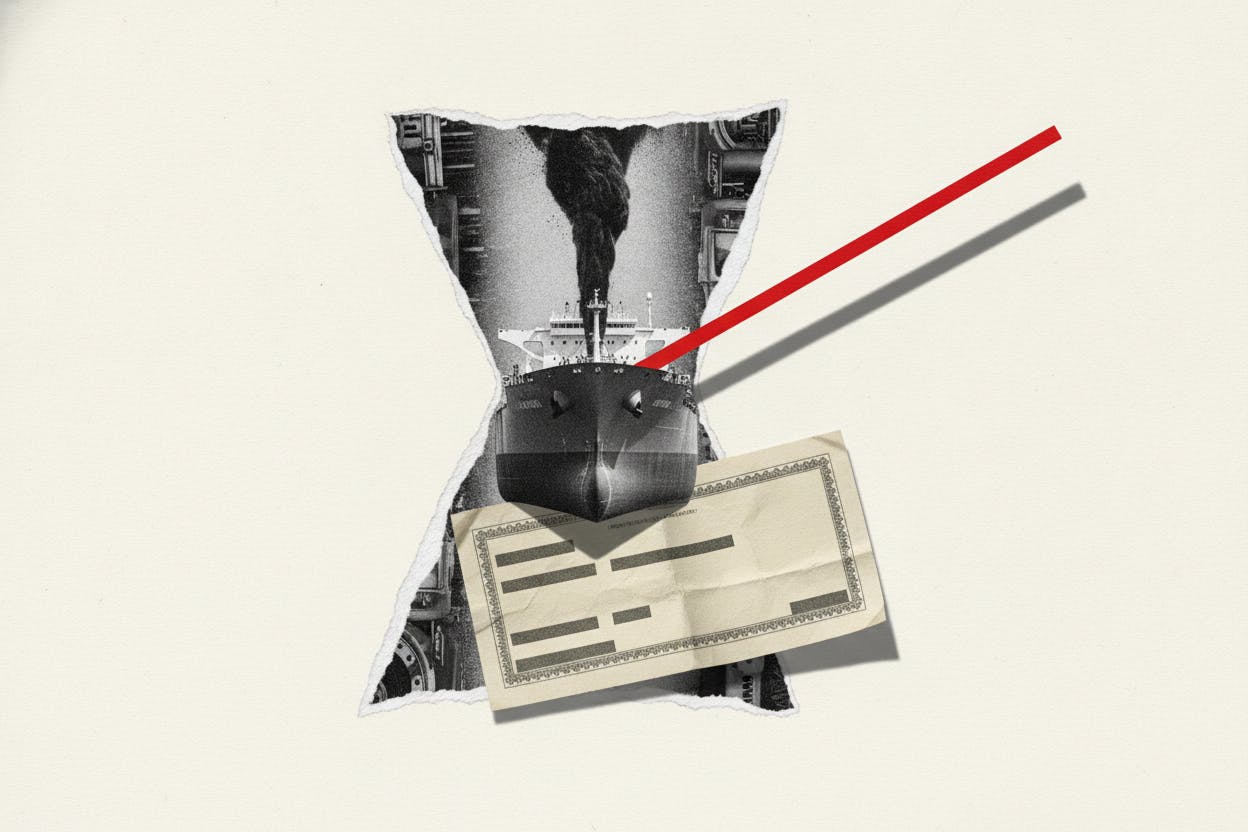
A fresh wave of geopolitical tension around the Strait of Hormuz sent oil prices sharply higher on Tuesday, with Brent crude climbing 3.3% to $78.50 a barrel. The move rippled through global markets, lifting US Treasury yields and the dollar as investors recalibrated their inflation expectations ahead of key economic data and testimony from Federal Reserve Chair Kevin Warsh.
What's driving the oil spike?
The Strait of Hormuz is a narrow waterway between Iran and Oman that handles roughly a fifth of the world's seaborne oil. Any disruption there can quickly tighten global supply. Recent reports of increased military activity and tanker slowdowns in the region have reignited fears of a potential blockade or shipping delays, pushing crude prices higher. This is not the first time this year that Hormuz tensions have rattled markets. Oil prices posted their first weekly gain in five weeks last month as US-Iran tensions escalated, and the current spike follows a similar pattern.
The immediate effect was a jump in Brent, the international benchmark, to its highest level in weeks. The move also lifted the US dollar, as investors sought safe-haven assets, and pushed the yield on the 10-year Treasury note to 4.59%. Higher oil prices tend to boost inflation expectations because energy costs feed into everything from transportation to manufacturing. That, in turn, can lead to higher bond yields as traders demand more compensation for the risk of rising prices.
Markets eye inflation data and Fed testimony
The oil spike comes at a particularly sensitive time for markets. Investors are waiting for the release of June US inflation data, which will give the clearest signal yet on whether price pressures are cooling enough for the Federal Reserve to consider cutting interest rates later this year. At the same time, Fed Chair Kevin Warsh is set to make his first appearance before Congress, where he will likely face questions about the central bank's next moves.
The combination of higher oil prices and upcoming data has created a cautious mood. If inflation comes in hotter than expected, it could reinforce the view that the Fed will hold rates higher for longer. That would be a headwind for stocks, which have rallied this year on hopes of rate cuts. Treasury yields have already risen as the Hormuz tanker slowdown stirs inflation fears, and further increases could weigh on equity valuations.
What it means for investors
For everyday investors, the key takeaway is that geopolitical events can quickly shift the market's focus. A spike in oil prices is not just an energy story; it affects bonds, currencies, and stocks across sectors. Higher energy costs can squeeze profit margins for companies that rely heavily on fuel, such as airlines and shipping firms, while benefiting oil producers and related industries.
The broader market is also watching how central banks respond. If oil-driven inflation persists, it could delay rate cuts that many investors have been banking on. That would be particularly painful for growth stocks, which are more sensitive to interest rate expectations. Calm markets hide a big shift: investors are rotating out of tech stocks, and a prolonged period of high rates could accelerate that trend.
On the other hand, if inflation data this week shows continued moderation, the oil spike may be seen as a temporary blip. The Fed's reaction will be crucial. Warsh's testimony will be scoured for any hint of how the central bank views the balance between fighting inflation and supporting economic growth.
What to watch next
Investors should keep an eye on the Strait of Hormuz situation for any signs of escalation or de-escalation. A diplomatic resolution could quickly reverse the oil price gains, while further tensions could push Brent toward $80 a barrel or higher. German stocks have already dipped as oil nears $80, fueling rate hike bets in Europe, and similar dynamics could play out in US markets.
The June US inflation report and Fed Chair Warsh's testimony are the next major catalysts. Together, they will shape the narrative for the rest of the summer. For now, the message from markets is clear: oil is back in the driver's seat, and investors are bracing for a bumpy ride.



