Oil prices spiked more than 4% on Monday after the United States and Iran launched fresh strikes against each other, and Tehran announced it had again closed the Strait of Hormuz — a narrow waterway that handles about a fifth of the world's oil shipments. Brent crude, the global benchmark, jumped sharply as traders priced in the risk of a prolonged disruption to energy supplies.
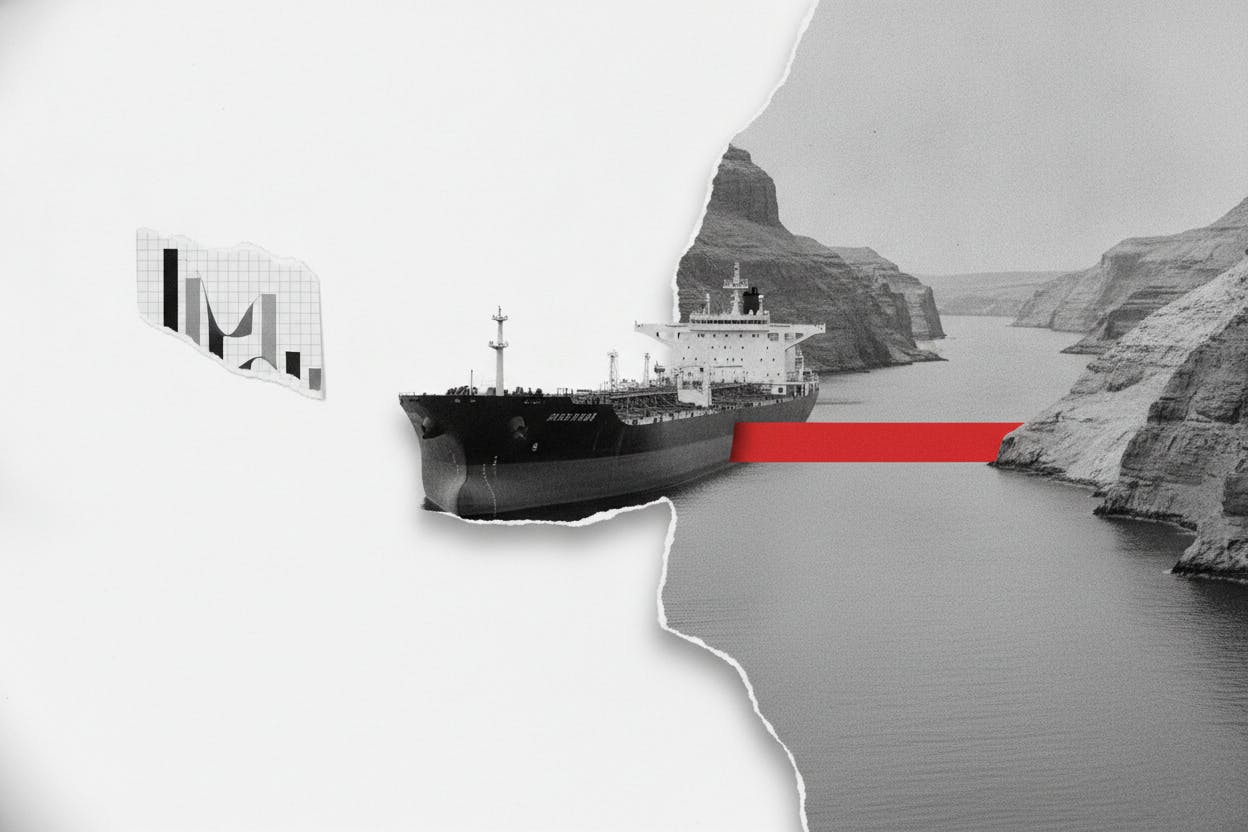
The Strait of Hormuz, a 21-mile-wide chokepoint between the Persian Gulf and the Gulf of Oman, is critical for crude tankers carrying oil from Saudi Arabia, Iraq, Iran, Kuwait and the United Arab Emirates. Any closure — even a temporary one — can quickly tighten global oil markets and send prices higher. This is not the first time tensions in the region have rattled markets; earlier this year, oil surged past $78 as Strait of Hormuz tensions rattled markets, and the pattern is repeating now.
Why the oil jump matters for inflation
Higher oil prices don't just hit the pump — they ripple through the entire economy. Crude is a key input for transportation, manufacturing, heating and electricity generation. When oil gets more expensive, the cost of moving goods and powering factories rises, which can push up consumer prices across the board.
That's why traders are now watching inflation expectations closely. If oil stays elevated, central banks like the Federal Reserve and the Bank of England may feel pressure to keep interest rates higher for longer to prevent price pressures from becoming entrenched. This dynamic was already visible in bond markets, where Treasury yields rose as Strait of Hormuz tanker slowdown stirred inflation fears.
Gold and copper fall despite risk-off mood
One of the more surprising moves on Monday was the drop in gold, which fell more than 1%. Normally, geopolitical turmoil sends investors rushing into gold as a safe haven. But the oil-driven inflation scare is changing the calculus.
When inflation expectations rise, investors often demand higher yields on bonds to compensate for the loss of purchasing power. That pushes up real interest rates — the return on bonds after inflation. Gold, which pays no interest, becomes less attractive when real yields climb, because investors can earn a better return from cash or bonds. So even as headlines look scarier, gold can fall.
Copper also slid, reflecting a broader risk-off mood. The industrial metal is sensitive to global growth expectations, and the prospect of higher interest rates and slower economic activity weighed on demand forecasts. Meanwhile, FTSE 100 futures pointed 0.2% lower after a choppy week for UK stocks, suggesting European markets may open in the red.
What it means for everyday investors
For ordinary investors, the key takeaway is that oil-supply scares tend to hit markets as an inflation shock first. That means the immediate impact is often higher bond yields and lower prices for growth stocks and longer-dated government debt, as traders adjust for stickier inflation.
Equity index futures like the FTSE 100 can soften on broader risk appetite, even if some energy-heavy companies benefit from higher crude prices. The overall market mood is cautious, and investors should expect more volatility if the situation in the Strait of Hormuz escalates further.
In Australia, shares were set to open higher as the oil surge boosted energy stocks, while in Saudi Arabia, stocks edged higher as tensions kept oil in focus. These regional moves highlight how the impact varies by market, but the underlying driver — fear of supply disruption — remains the same.
Investors should also keep an eye on upcoming earnings reports from big banks and Netflix, which are set to drive a volatile trading week. Those results could either amplify or offset the oil-driven moves, depending on what they say about corporate health and consumer spending.
For now, the Strait of Hormuz remains the focal point. Any further escalation between the US and Iran could push oil even higher, with knock-on effects for inflation, interest rates and asset prices across the board.