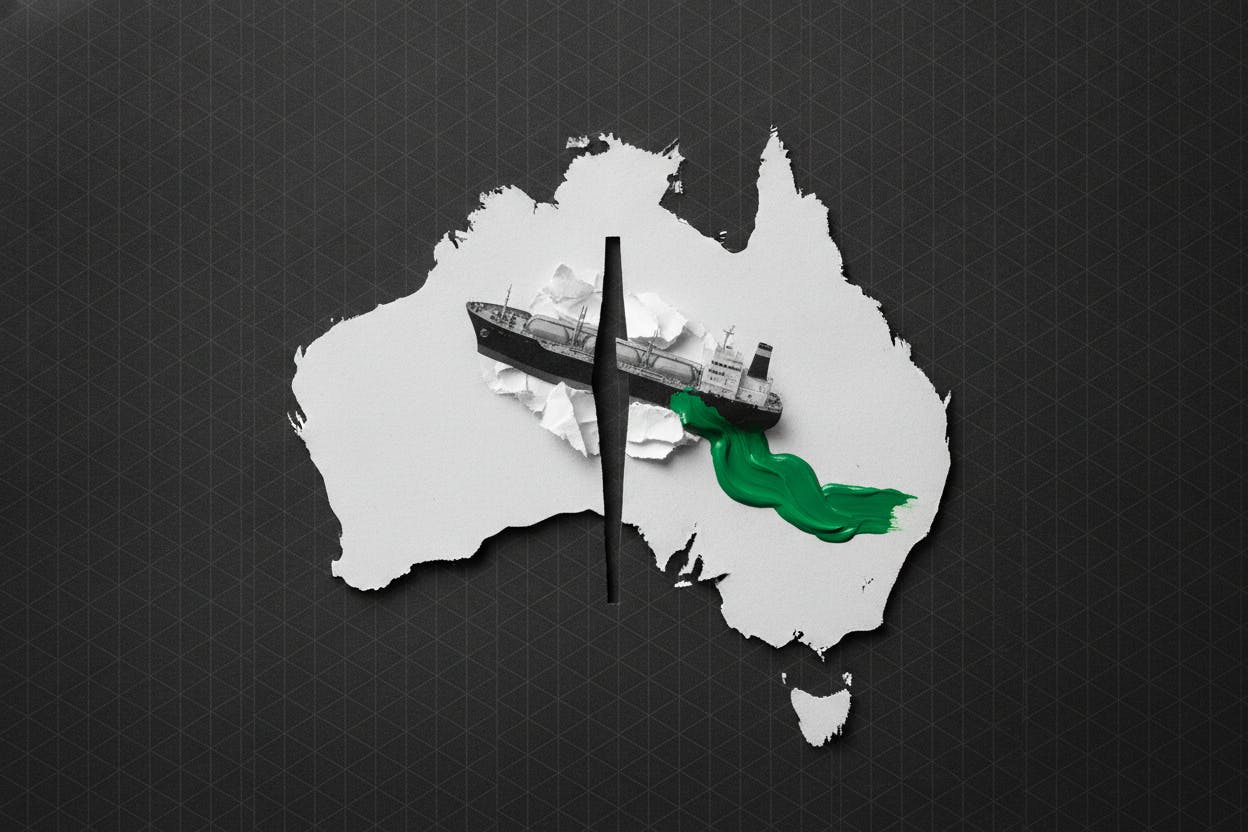
Australian shares are poised to open higher on Monday, with energy stocks expected to lead the advance as oil prices climb on renewed geopolitical tensions in the Gulf. The move follows Iran's expanded strikes, which have raised fears that crude shipments through the Strait of Hormuz—a narrow but vital shipping lane—could face disruption.
The benchmark S&P/ASX 200 index closed at 8,806 on July 10, up 0.5%, but the next leg for the market will depend heavily on whether oil prices hold onto their recent gains or give them back as headlines evolve. For everyday investors, the key question is how this plays out across different parts of the market.
Why the Strait of Hormuz Matters for Oil Prices
The Strait of Hormuz is a narrow waterway between Iran and Oman that connects the Persian Gulf to the open ocean. It handles roughly one-fifth of the world's oil consumption, making it one of the most strategically important chokepoints for global energy markets. Any hint of disruption—whether from military strikes, sabotage, or political brinkmanship—can add a quick 'geopolitical risk premium' to crude prices.
This week, Iran's expanded strikes in the Gulf have put that premium back on the table. Markets are now weighing the risk that crude shipments through the strait could be slowed or blocked, which would tighten global supply and push prices higher. For context, oil prices have already posted their first weekly gain in five weeks as US-Iran tensions escalated, as we reported earlier.
What It Means for Australian Investors
For Australia, higher oil prices cut both ways. On the positive side, they lift earnings expectations for local energy producers, such as Woodside, Santos, and Beach Energy, whose revenues are closely tied to crude prices. That should help the index at the open, with energy stocks likely to lead any gains.
But pricier crude also filters into the broader economy. Higher oil means more expensive gasoline and diesel, which raises costs for transport companies, logistics firms, and any business that relies on shipping. It also feeds into inflation, making it harder for the Reserve Bank of Australia to cut interest rates anytime soon. That can weigh on rate-sensitive sectors like consumer discretionary stocks and real estate investment trusts (REITs).
This split is why Monday's move may look uneven, even if the benchmark ends up in positive territory. Energy may lead the lift, while sectors that depend on discretionary spending or cheap transport could lag. As we've seen in other markets, such as German stocks dipping as oil nears $80, higher energy costs can fuel rate hike bets and dampen sentiment in rate-sensitive areas.
Broader Market Context
The current oil price move is part of a broader pattern of geopolitical risk that has kept markets on edge. Earlier this year, oil surged past $78 as Strait of Hormuz tensions rattled markets, and similar dynamics have played out in Saudi stocks edging higher as the region remains in focus.
For Australian investors, the key takeaway is that oil shocks don't hit the market evenly. A Hormuz-driven jump can be a tailwind for energy companies but a headwind for the rest of the economy, acting like a tax on input and shipping costs. If investors start reading higher oil as an inflation problem—not just an energy-sector win—it can reshape leadership within Australian stocks.
That dynamic is already visible in other parts of the world. The US Federal Reserve has warned that tariffs, AI, and energy costs keep inflation stubbornly high, as we noted. And in Latin America, steady oil and soft inflation have helped markets rise, but the balance remains fragile.
What to Watch Next
Investors will be watching oil prices closely in the coming days. If the risk premium holds, energy stocks could continue to lead, and the broader market may struggle to gain traction. If tensions ease and oil gives back its gains, the focus could shift back to other drivers, such as earnings reports and central bank policy.
For now, the message is clear: the Strait of Hormuz is back on the radar, and Australian shares are being pulled two ways by the same force. Energy investors may cheer, but the rest of the market will be watching the inflation implications just as closely.