Meta Platforms is significantly expanding its Hyperion artificial intelligence data center project in Richland Parish, Louisiana, according to a report from Reuters. The facility is now planned to have up to 5 gigawatts of computing capacity and represents more than $50 billion in total investment. That is a major jump from the roughly 2 gigawatts previously disclosed.
The expansion underscores the relentless demand for AI computing power, which continues to outpace available capacity. For everyday investors, this signals that big tech companies are still in a heavy spending phase to build out the infrastructure needed to support next-generation AI applications.
What is Hyperion and Why Does It Matter?
Hyperion is Meta's flagship AI data center project, designed to house the massive computing clusters needed to train and run advanced AI models. Data centers like this are essentially giant warehouses filled with servers and cooling equipment, consuming enormous amounts of electricity. A 5-gigawatt facility would be among the largest ever built—enough to power several million homes.
Meta, best known for its social media platforms Facebook and Instagram, as well as its advertising business, is betting heavily on AI to drive future growth. The company has been investing billions in AI research and infrastructure, and Hyperion is a key part of that strategy.
The project is also a local economic story. Meta says Louisiana businesses have already received more than $1.6 billion in contracts since construction began. The company also plans to spend over $1 billion on local infrastructure improvements, including roads, water systems, and wastewater treatment. For residents of Richland Parish, that could mean jobs and upgraded public services.
Growing Pushback Over Energy Use
But the expansion is not without controversy. As data center power demands surge, concerns about energy consumption and environmental impact are mounting. Critics argue that such massive facilities strain local power grids and can increase carbon emissions, especially if the electricity comes from fossil fuels.
This tension is playing out across the industry. The AI data center boom is reshaping clean tech, with analysts at Morgan Stanley favoring grid infrastructure investments over solar power, given the scale of electricity needed. Meanwhile, nuclear power is seeing renewed interest as a potential solution for round-the-clock, carbon-free energy. Holtec Nuclear recently filed for an IPO, capitalizing on that trend.
Meta has not disclosed exactly how Hyperion will be powered, but the company has previously committed to matching its global electricity use with renewable energy. Whether that will be feasible at this scale remains an open question.
What It Means for Investors
For investors, the Hyperion expansion is a clear signal that Meta is doubling down on AI infrastructure. That could be positive for companies that supply data center equipment, such as server makers, networking firms, and cooling technology providers. It also reinforces the broader theme that AI demand is driving a capex super-cycle among big tech firms.
However, the scale of spending also carries risks. Meta's capital expenditures are already running at tens of billions of dollars per year, and a $50 billion project adds to that burden. Investors will want to see whether these investments translate into higher revenue and profits down the line. The company's advertising business remains its main cash cow, but AI is seen as a way to improve ad targeting, create new products, and eventually generate direct revenue from AI services.
The energy angle is also worth watching. SpaceX's potential AI revenue from data centers highlights how the demand for computing power is creating opportunities across sectors. But for utilities and grid operators, the challenge is real. Investors in power companies and renewable energy firms may benefit from the surge in demand, while those in industries sensitive to electricity prices could face headwinds.
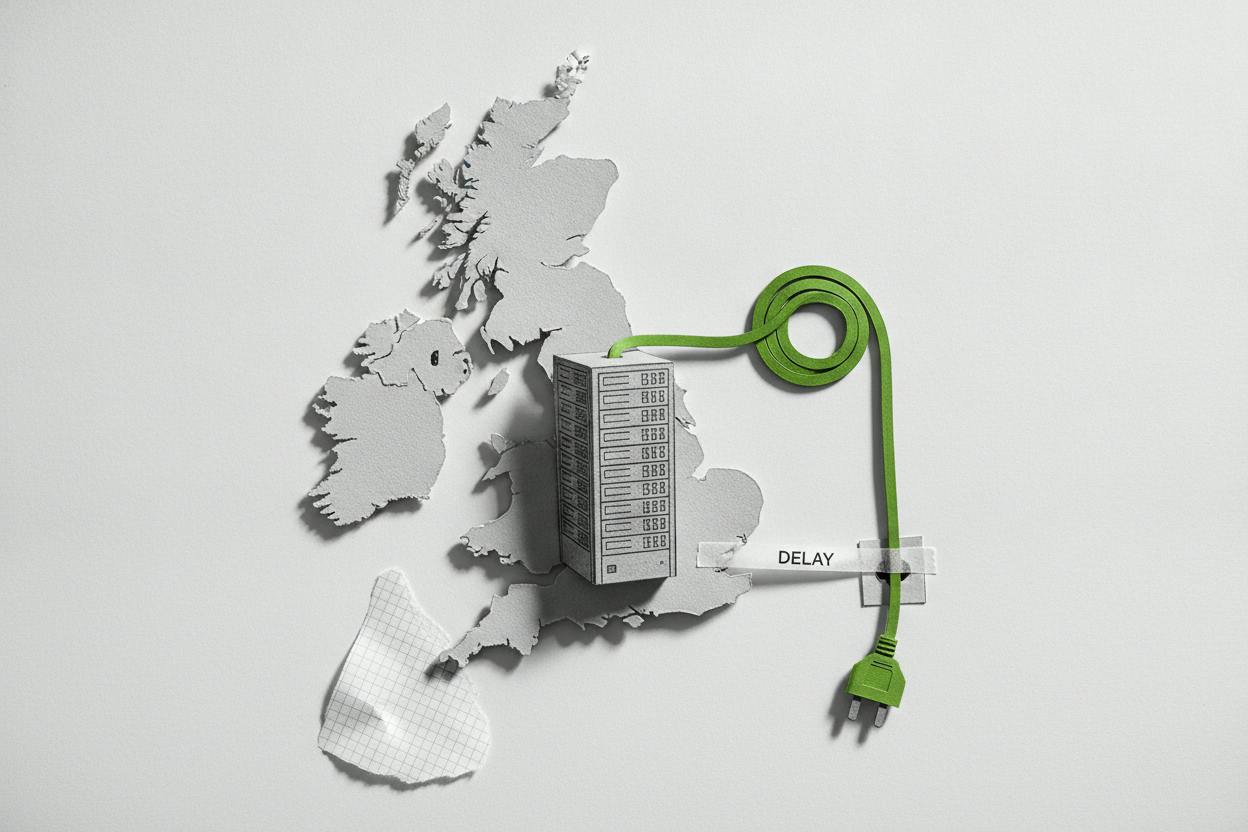
Regulatory pushback is another factor. As communities and environmental groups raise concerns, permitting and construction timelines could face delays. Meta will need to navigate local and state regulations, as well as any federal scrutiny of energy use.
The Bottom Line
Meta's Hyperion project is a bet that AI will reshape computing and that the company needs to own the infrastructure to compete. The scale is staggering—5 gigawatts and $50 billion—but it reflects the reality that AI models are becoming more powerful and data-hungry by the year.
For everyday investors, the key takeaway is that AI infrastructure spending is not slowing down. That creates opportunities in tech, energy, and industrial sectors, but also comes with execution and environmental risks. As always, diversification and a long-term perspective are important when navigating these trends.