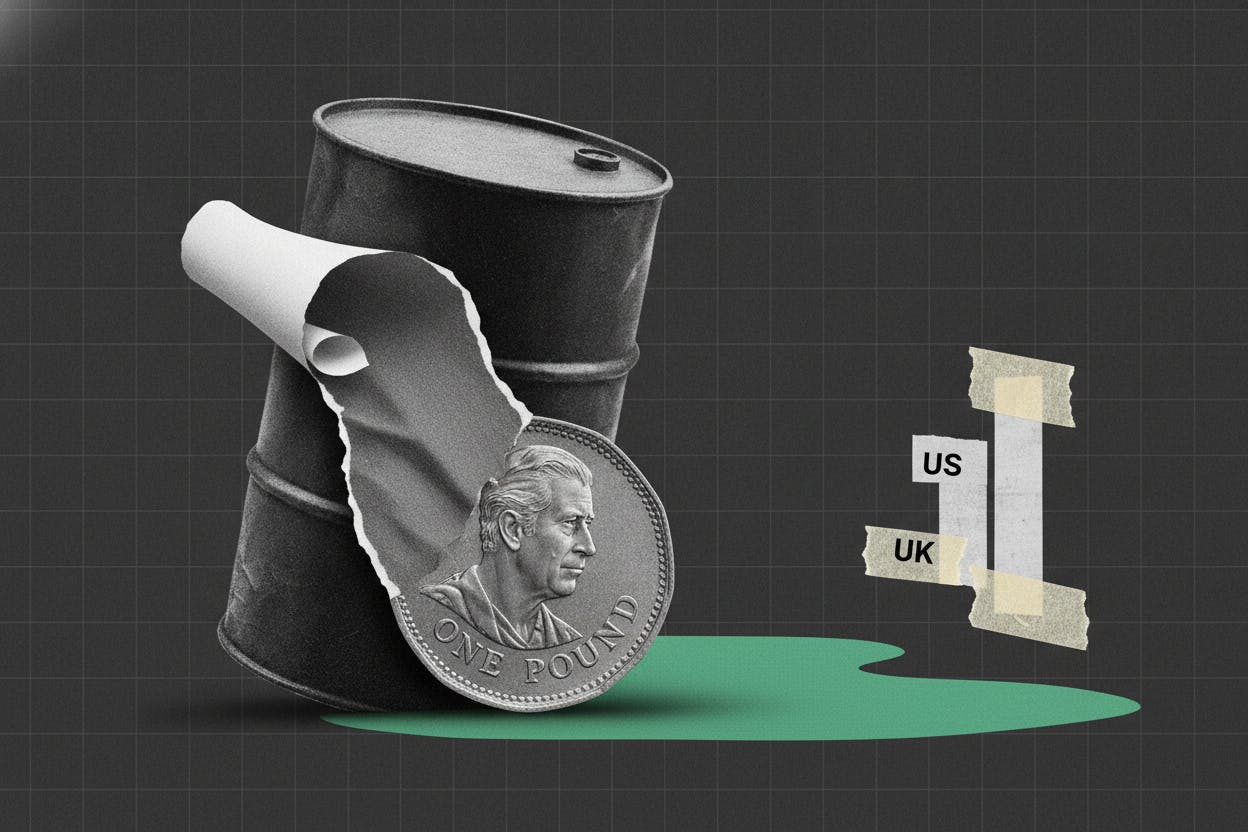
The British pound edged lower on Monday, slipping 0.1% to $1.339, as a fresh wave of US-Iran military strikes pushed oil prices higher and reinforced bets that the Federal Reserve will keep interest rates elevated. The move underscores how geopolitical tensions in the Middle East are rippling through currency markets, with the dollar gaining ground as a safe haven and on shifting rate expectations.
Oil Surge Fuels Dollar Strength
Brent crude, the global oil benchmark, climbed about 2% to $77.60 a barrel following renewed attacks between the US and Iran over the weekend and into Monday. The jump in energy prices is a key driver for currencies because higher oil costs can feed into broader inflation, which in turn pressures central banks to maintain or even tighten monetary policy.
The dollar firmed across the board as investors flocked to the greenback's traditional safe-haven appeal and as traders adjusted their outlook for US interest rates. The shift in rate expectations—now leaning more toward further Fed hikes—has been a headwind for the pound and other currencies. MUFG, a Japanese bank, noted that the direct foreign-exchange reaction has been “relatively modest” so far, but the dollar's strength is clear.
This dynamic is not unique to the pound. Other currencies have also felt the pinch, as seen in the Aussie and Kiwi dollars slipping on similar inflation fears. The Chinese yuan also weakened as Gulf tensions boosted the dollar, despite the People's Bank of China setting its strongest daily fixing since February 2023.
What Higher Oil Means for Currencies
Oil prices matter for currency markets in two main ways. First, countries that are net oil importers—like the UK—tend to see their currencies weaken when crude rises, because it increases the cost of imports and can worsen the trade balance. Second, higher energy prices can stoke inflation, which forces central banks to keep interest rates higher for longer. That tends to support the currency of the country where rates are rising, in this case the US dollar.
The pound's decline comes even as the Bank of England has signaled it may need to raise rates to combat energy-driven inflation. In a recent speech, BoE Chief Economist Huw Pill hinted at a possible rate hike, which had briefly pushed sterling to $1.345. But the current oil surge and dollar strength have reversed those gains.
Broader Market Impact
The ripple effects of the US-Iran strikes extend beyond currencies. Oil surged over 4% in earlier sessions as fears of a Strait of Hormuz closure rattled markets. Meanwhile, gold slipped 1.5% as the oil surge and rate hike bets reshaped market dynamics, and copper dipped below $13,400 as the strong dollar weighed on metals.
The Indian rupee slipped to a one-month low as the oil surge clashed with Reserve Bank of India intervention. Even safe-haven plays like Canada's long bonds are seeing increased demand as the global term premium rises.
What It Means for Investors
For everyday investors, the pound's dip and the dollar's strength have practical implications. If you hold assets denominated in dollars—like US stocks or ETFs—a stronger dollar means your returns in pound terms are boosted. Conversely, UK-based investors with international exposure may see currency fluctuations eat into gains.
The oil price rise also matters for portfolios. Energy stocks and commodities often benefit from higher crude prices, but sectors that rely on cheap energy—like airlines and transport—could face headwinds. Inflation fears may also push bond yields higher, which can hurt the value of existing fixed-income holdings.
Looking ahead, markets will be watching for any escalation in US-Iran tensions, as well as upcoming economic data that could influence the Fed's next move. The St. Louis Fed's GDP nowcast and other indicators will be in focus. For now, the pound remains under pressure, and the dollar's strength looks set to continue as long as oil stays elevated and rate hike bets persist.



