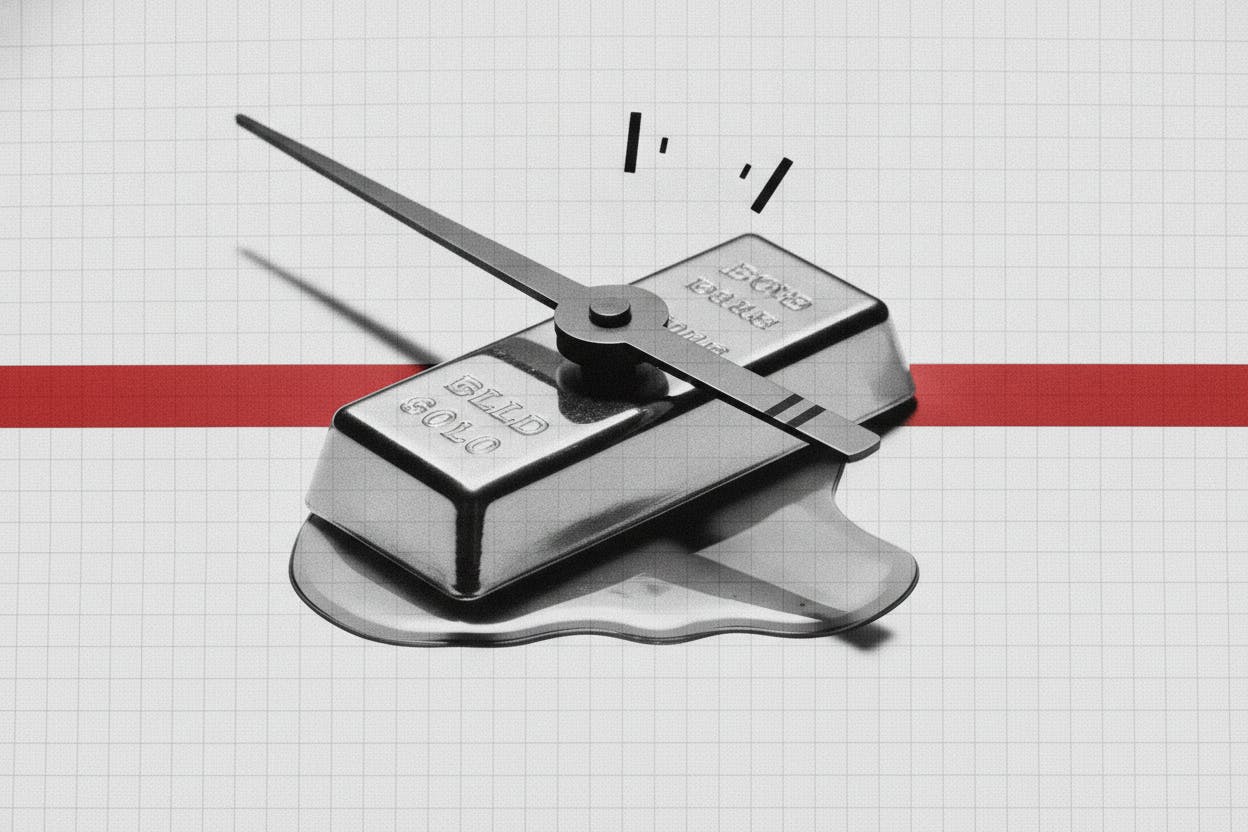
Gold prices fell sharply on Tuesday, dropping 1.5% to $4,059.11 an ounce, as a surge in oil prices and shifting expectations for Federal Reserve policy reshaped the investment landscape. The move came as crude oil jumped more than 4% amid fears that the Strait of Hormuz could remain closed, stoking inflation concerns and prompting traders to reassess the outlook for interest rates.
According to the CME FedWatch tool, markets now price a 72% probability of a Federal Reserve rate hike at the September meeting, up from roughly 63% just last week. That shift has been a key driver for gold, which typically struggles when interest rates rise because it offers no yield.
Why Gold Fell Despite Geopolitical Tensions
Gold is often seen as a safe-haven asset that benefits from uncertainty, so its decline during rising Middle East tensions might seem counterintuitive. But the mechanism at play here is more complex. Higher oil prices can lift expected inflation, which in turn keeps the Federal Reserve in tightening mode. That pushes up Treasury yields and strengthens the US dollar, both of which are negative for gold.
Rising yields make non-yielding assets like gold less attractive compared to bonds or cash. A stronger dollar also weighs on gold's US-dollar price, as the metal becomes more expensive for buyers using other currencies. This dynamic helps explain why other precious metals fell in tandem: silver dropped 2.9%, platinum lost 1.8%, and palladium declined 2.3%.
The broader market reaction was evident across asset classes. Oil surged over 4% as US-Iran strikes and Strait of Hormuz closure rattled markets, while Treasury yields rose as the tanker slowdown stirred inflation fears. The dollar also gained ground, as seen in the yuan slipping against a stronger greenback.
What It Means for Investors
For everyday investors, the key takeaway is that gold is currently trading more on interest rate expectations than on geopolitical headlines. When markets price higher short-term rates, front-end Treasury yields typically rise, making cash and bonds more competitive versus a metal that pays no interest. If the dollar strengthens alongside that move, it adds further pressure by pulling down gold's US price.
This week's economic calendar is packed with events that could shift rate expectations. Fed Chair Kevin Warsh is scheduled to testify, and the market will also digest June inflation data, retail sales figures, and comments from Fed officials including Michelle Bowman and Christopher Waller. Any surprises in these releases could quickly reset the yield-and-dollar backdrop that has been moving gold.
Nicholas Frappell of ABC Refinery added a nuanced perspective: if the Strait of Hormuz disruption lasts long enough to slow global economic growth by crimping demand, that could eventually become supportive for gold. In that scenario, gold might regain its safe-haven appeal as investors worry about a broader slowdown rather than just inflation.
For now, though, gold remains sensitive to the interplay between oil prices, inflation expectations, and Fed policy. Investors should watch how these factors evolve in the coming days, as they will likely determine whether gold can stabilize or extend its decline.



