New Zealand's services sector returned to expansion in June, according to the latest data from BusinessNZ, but the recovery remains tentative as consumer caution and cost pressures continue to act as a drag on activity.
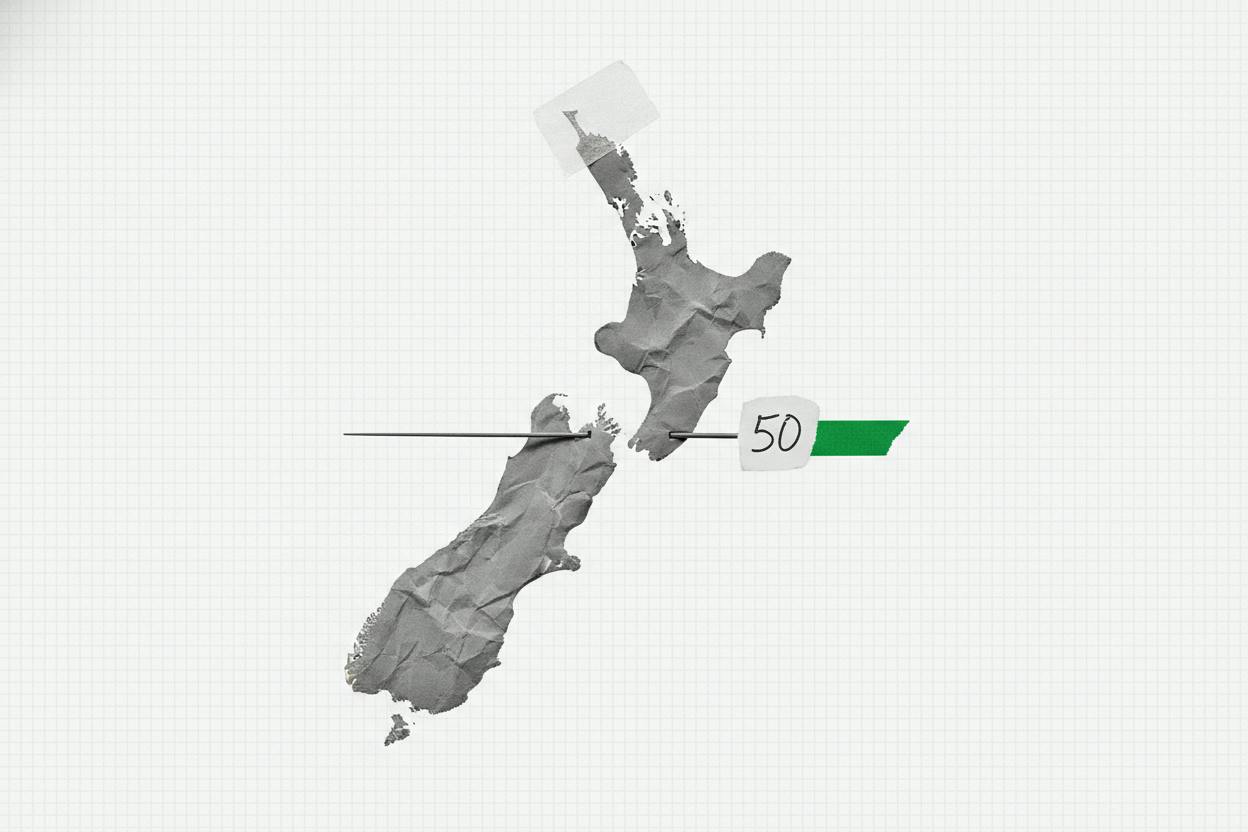
The BusinessNZ Performance of Services Index (PSI) rose to 50.6 in June from 48.0 in May, crossing the 50-point threshold that separates growth from contraction. The improvement was driven by a rebound in new orders, which climbed to 53.0 from 48.2, and a modest uptick in supplier deliveries to 51.2 from 49.8. However, the activity/sales sub-index remained subdued, reflecting ongoing headwinds.
What the Data Shows
The PSI is a key gauge of health in New Zealand's services sector, which accounts for a significant portion of the country's economic output and employment. Readings above 50 indicate expansion, while those below signal contraction. The June reading marks a return to growth after a contractionary May, but the index remains only just above the neutral level, suggesting the recovery is far from robust.
BusinessNZ noted that while demand showed signs of life, with new orders rising, the overall picture is one of fragility. Consumer caution—driven by high living costs and economic uncertainty—continues to limit spending, while businesses face persistent cost pressures from wages, materials, and energy. These factors are likely to keep the recovery in check in the near term.
Broader Economic Context
The services sector data comes amid a mixed economic backdrop for New Zealand. The Reserve Bank of New Zealand has been grappling with high inflation, raising interest rates aggressively over the past year to cool the economy. While inflation has shown signs of easing, it remains above the central bank's target range, and the full impact of past rate hikes is still feeding through.
Consumer confidence has been under pressure, with households tightening their belts amid higher mortgage payments and rising costs for essentials. This caution is reflected in the services sector, where retail, hospitality, and other consumer-facing industries are feeling the pinch. Meanwhile, businesses are navigating higher input costs, which are squeezing margins and limiting their ability to invest or hire.
The June PSI reading aligns with broader trends seen in other economies, where services sectors are showing resilience but not strength. For example, similar surveys in the US and Europe have pointed to modest expansion, with consumer behavior and cost pressures being key themes. In New Zealand, the data suggests that while the worst of the downturn may be over, a strong rebound is not yet in sight.
What It Means for Investors
For everyday investors, the services sector data offers a window into the health of the New Zealand economy. A return to growth is a positive sign, but the fragility of the recovery means that risks remain. Investors should watch for further data on consumer spending, inflation, and interest rates to gauge whether the recovery gains traction or stalls.
The cautious consumer environment is a key factor to monitor. If households remain reluctant to spend, it could weigh on corporate earnings, particularly for companies in retail, hospitality, and other services industries. Conversely, if cost pressures ease and confidence improves, the sector could see a more sustained recovery.
Investors with exposure to New Zealand equities or bonds should also consider the implications for monetary policy. The Reserve Bank has signaled that it may hold rates steady for now, but if the economy shows signs of overheating or if inflation proves sticky, further rate hikes could be on the table. That would likely dampen economic activity and weigh on asset prices.
In the meantime, the services sector data serves as a reminder that the economic recovery is uneven and subject to headwinds. For those with a long-term perspective, staying diversified and focusing on quality companies with strong balance sheets remains a prudent approach.
Looking ahead, market participants will be watching upcoming data releases, including retail sales and employment figures, for further clues on the trajectory of the New Zealand economy. The services sector's performance in the coming months will be a key indicator of whether the recovery is sustainable or merely a temporary bounce.