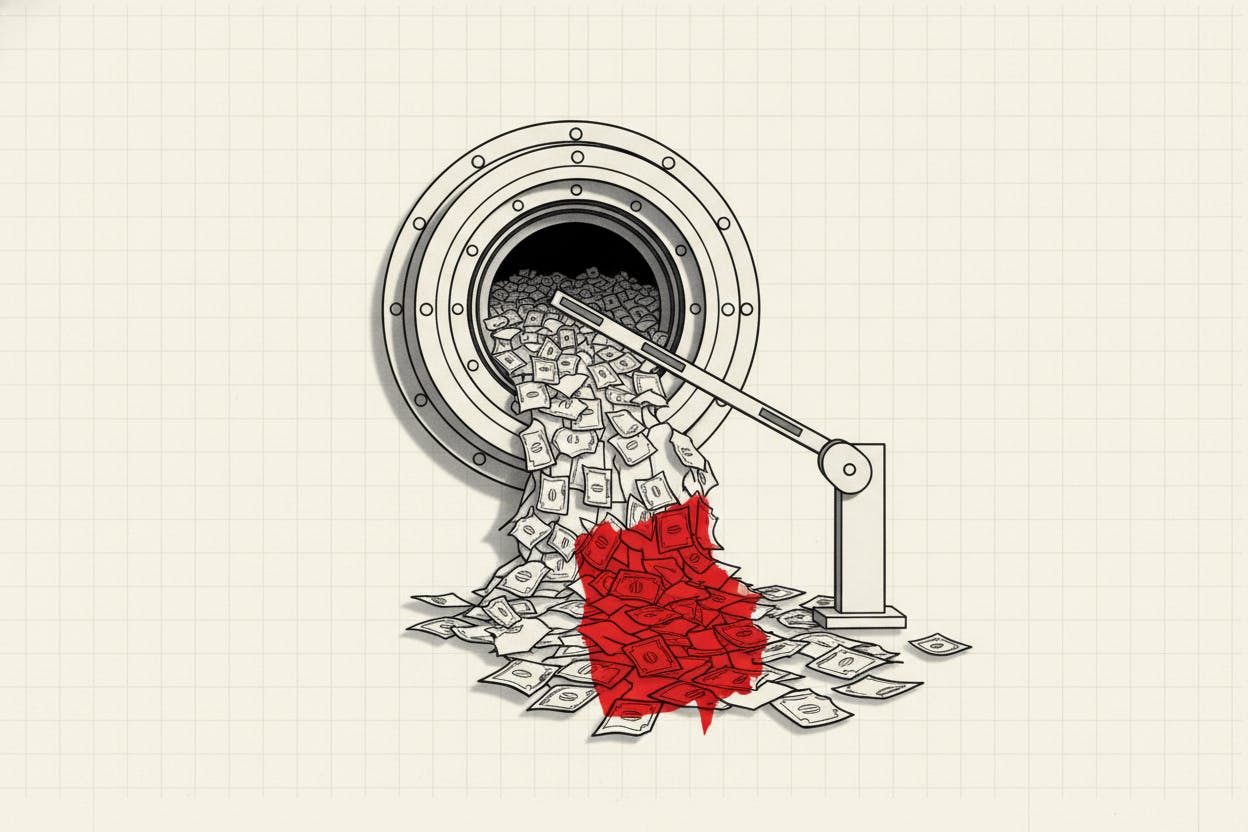
The U.S. government's budget unexpectedly slipped into a deficit of $120 billion in June, the Treasury Department reported, as refunds of tariffs imposed under former President Donald Trump's trade policies exceeded new customs collections. The reversal came after a court ruled the broadest of those tariffs illegal, triggering a wave of refunds that turned a typical source of revenue into a net cash outflow.
What Happened
Customs duties, which are taxes on imported goods, usually generate income for the federal government. But in June, refunds—money returned to importers who had paid tariffs that were later struck down—outpaced new collections. The Treasury said this dynamic was the primary reason the month ended in the red, a rare occurrence for a period that often sees a surplus due to quarterly tax payments.
The tariffs in question were part of a broad set of levies imposed by the Trump administration on a range of foreign goods, citing national security concerns. After legal challenges, courts found that the administration had overstepped its authority, leading to the refunds. The exact amount of refunds was not specified in the brief, but the net effect was enough to flip the budget balance.
Context and Background
Budget deficits occur when the government spends more than it collects in revenue. The U.S. has run deficits for most of the past two decades, but the size and timing of the June shortfall caught some analysts off guard. Typically, June benefits from quarterly estimated tax payments from corporations and individuals, which can push the month into surplus. This year, those payments were overwhelmed by the tariff refunds.
Tariffs are a tool governments use to protect domestic industries or retaliate against trade practices. When they are ruled illegal, importers who paid them are entitled to refunds, which can create large, one-time hits to government revenue. This situation is reminiscent of other cases where trade disputes led to retroactive payments, though the scale here is notable.
For everyday investors, the deficit itself is not a direct market mover, but it can influence broader economic sentiment. Persistent deficits can lead to higher government borrowing, which may push up interest rates over time. However, a single month's data is not a trend, and the Treasury's report is likely to be seen as a temporary anomaly tied to the legal ruling.
What It Means for Investors
Investors should view this as a reminder that government finances can be volatile, especially when legal and trade policies shift. The refunds are a one-off event, but they highlight the fiscal risks of aggressive tariff policies. If future trade disputes lead to similar rulings, the government could face additional refund obligations, potentially affecting budget planning.
For those holding U.S. Treasury bonds, the deficit news is unlikely to have an immediate impact. Bond markets are more focused on long-term fiscal trends and Federal Reserve policy. However, if deficits persist or widen, it could eventually put upward pressure on yields, which move inversely to bond prices.
In the broader market, the news is a reminder that trade policy remains a wildcard. Investors in sectors heavily reliant on imports, such as retail or manufacturing, should monitor legal developments around tariffs. Companies that paid the now-overturned duties may see cash inflows from refunds, which could boost their balance sheets temporarily.
Looking Ahead
The Treasury will release July's budget data next month, which will show whether the deficit trend continues or reverses. Analysts will be watching for any further legal challenges to trade policies and their potential fiscal impact. For now, the June deficit is a cautionary tale about the interplay between trade law and government revenue.
As always, investors should focus on diversified portfolios and long-term strategies rather than reacting to single data points. The tariff refund story is a niche event, but it underscores the importance of understanding how policy changes can ripple through the economy.