June's inflation report delivered a welcome surprise for markets, with consumer prices rising less than expected on an annual basis and actually falling from May. The data prompted traders to sharply reduce their bets on another Federal Reserve rate hike, sending stock futures higher as the second-quarter bank earnings season gets underway.
What the Numbers Show
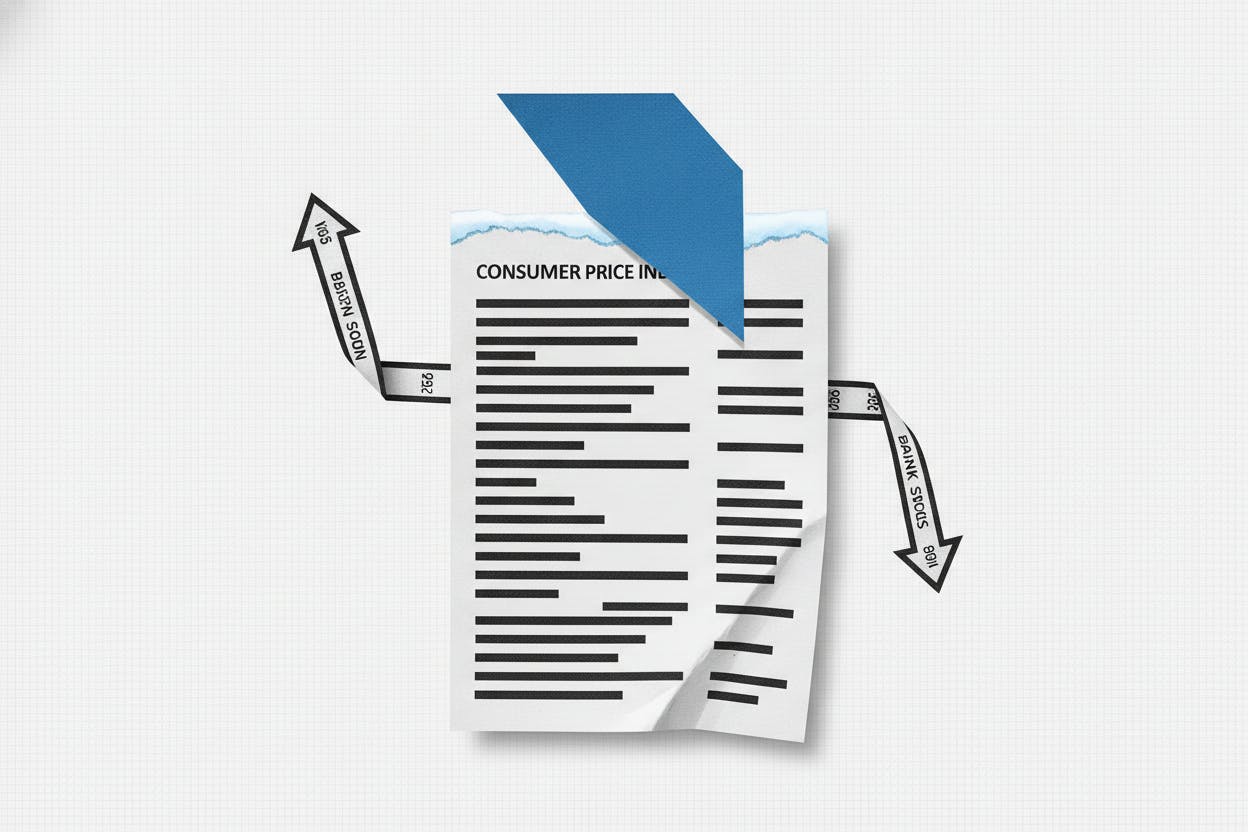
The US Labor Department reported that the Consumer Price Index (CPI) rose 3.5% from a year earlier in June, below economists' expectations. On a month-over-month basis, prices fell 0.4%, marking the first monthly decline in over a year. The core CPI, which strips out volatile food and energy prices, also came in softer than anticipated.
This is a significant shift from earlier in the year, when inflation proved stubbornly sticky and raised fears that the Fed might need to resume its rate-hiking campaign. For context, CPI had been running above 4% for much of 2024, and the Fed had held its benchmark rate steady at 5.25%-5.50% since July 2023.
Market Reaction: Fed Bets Slashed
The immediate market response was clear: traders cut the probability of a quarter-point rate hike at the Fed's upcoming meeting to about 15%, down from roughly 35% before the data was released. This shift matters because lower expected interest rates raise the present value of future corporate profits, which tends to favor growth-heavy indexes like the Nasdaq.
S&P 500 and Nasdaq futures both rose on the news, reflecting investor optimism that the Fed may be done tightening for good. The dollar held relatively steady, as the data aligned with the view that the central bank could begin cutting rates later this year.
For a deeper look at how Fed officials are divided on the next move, see our earlier piece: Fed Officials Split on Next Rate Move as Core Inflation Stays Stubbornly High.
Bank Earnings Season Begins
The inflation data arrives just as major US banks start reporting second-quarter results. This week is a key test for the financial sector, with investors focused on net interest income (NII) guidance and how banks are managing in a higher-for-longer rate environment. For a preview of what to watch, check out Bank Earnings Week: NII Guidance Takes Center Stage as Rates Stay Higher.
Early results have been mixed. Citi recently posted its best quarterly revenue in a decade, driven by volatile markets that boosted trading and deal fees. That story is covered in Citi Posts Best Quarterly Revenue in a Decade as Volatile Markets Boost Trading and Deal Fees. However, the broader earnings outlook remains uncertain, with the S&P 500 earnings growth target of 23.6% setting a high bar, as discussed in S&P 500 Earnings Growth Target of 23.6% Sets High Bar as Bank Results and Oil Spike Loom.
What It Means for Investors
For everyday investors, the cooler inflation data is a positive sign that the economy may be moving toward a 'soft landing' scenario—where inflation eases without triggering a recession. Lower inflation reduces the pressure on the Fed to keep rates high, which could support stock valuations, especially for growth stocks that are more sensitive to interest rate changes.
However, it's important to keep perspective. One month of data does not make a trend, and the Fed has repeatedly emphasized that it needs to see sustained evidence that inflation is moving sustainably toward its 2% target before cutting rates. The odds of a rate cut at the next meeting remain low, and the central bank is likely to remain cautious.
Investors should also watch how the broader economy responds. While inflation is cooling, other indicators—like consumer confidence and business investment—will provide clues about the path ahead. For instance, Australian business confidence recently improved as inflation eased, as noted in Australian Business Confidence Improves as Inflation Eases, Oil Jumps to $85. Similarly, US consumer sentiment data will be closely watched in the coming weeks.
Looking Ahead
The next major data point will be the Fed's preferred inflation gauge, the Personal Consumption Expenditures (PCE) index, due later this month. If that also shows a cooling trend, it could further solidify expectations for rate cuts later this year. For now, the market is pricing in a roughly 60% chance of a rate cut by September, according to CME FedWatch.
In the meantime, the bank earnings season will provide a real-time check on the health of the US economy. If banks report strong earnings and optimistic guidance, it could reinforce the positive sentiment from the inflation data. If they disappoint, it could reignite concerns about a slowdown.
As always, investors should focus on their long-term goals and avoid making impulsive decisions based on a single data point. The inflation report is encouraging, but the road ahead remains uncertain.