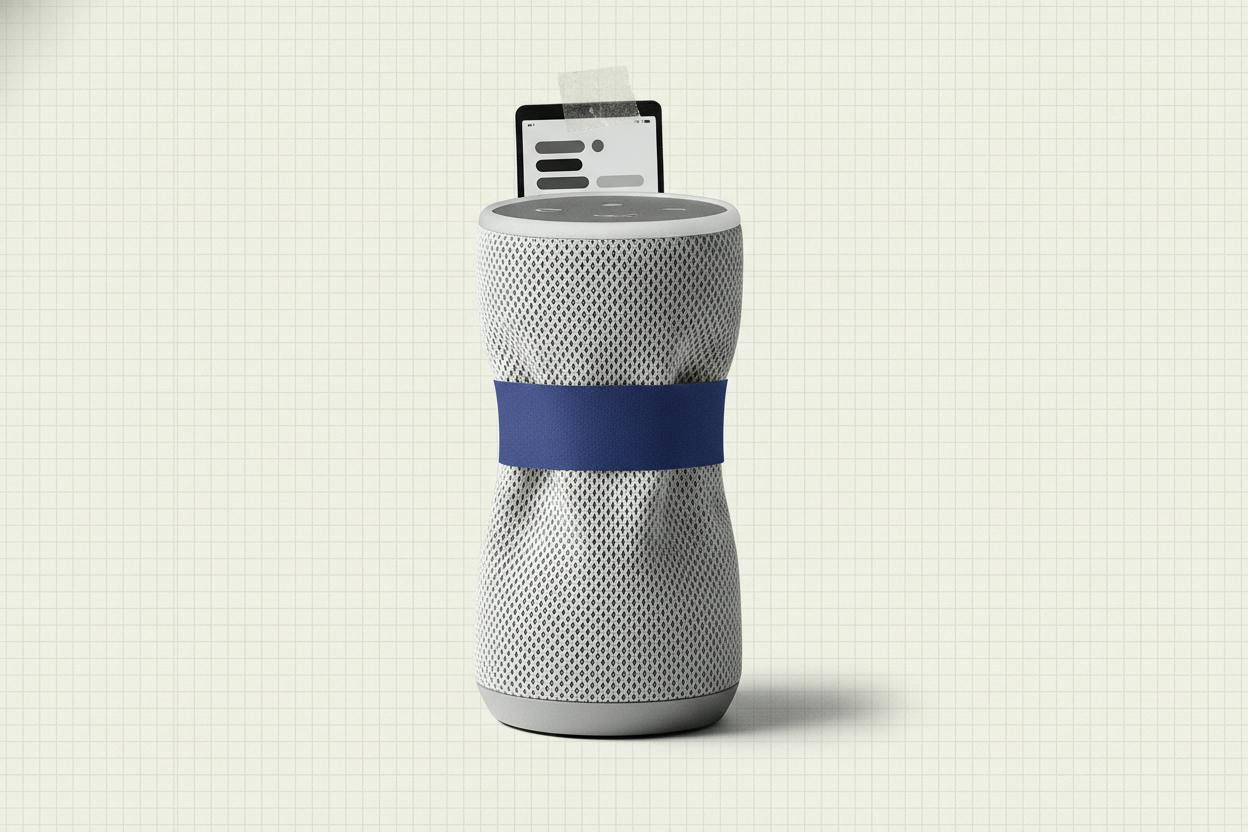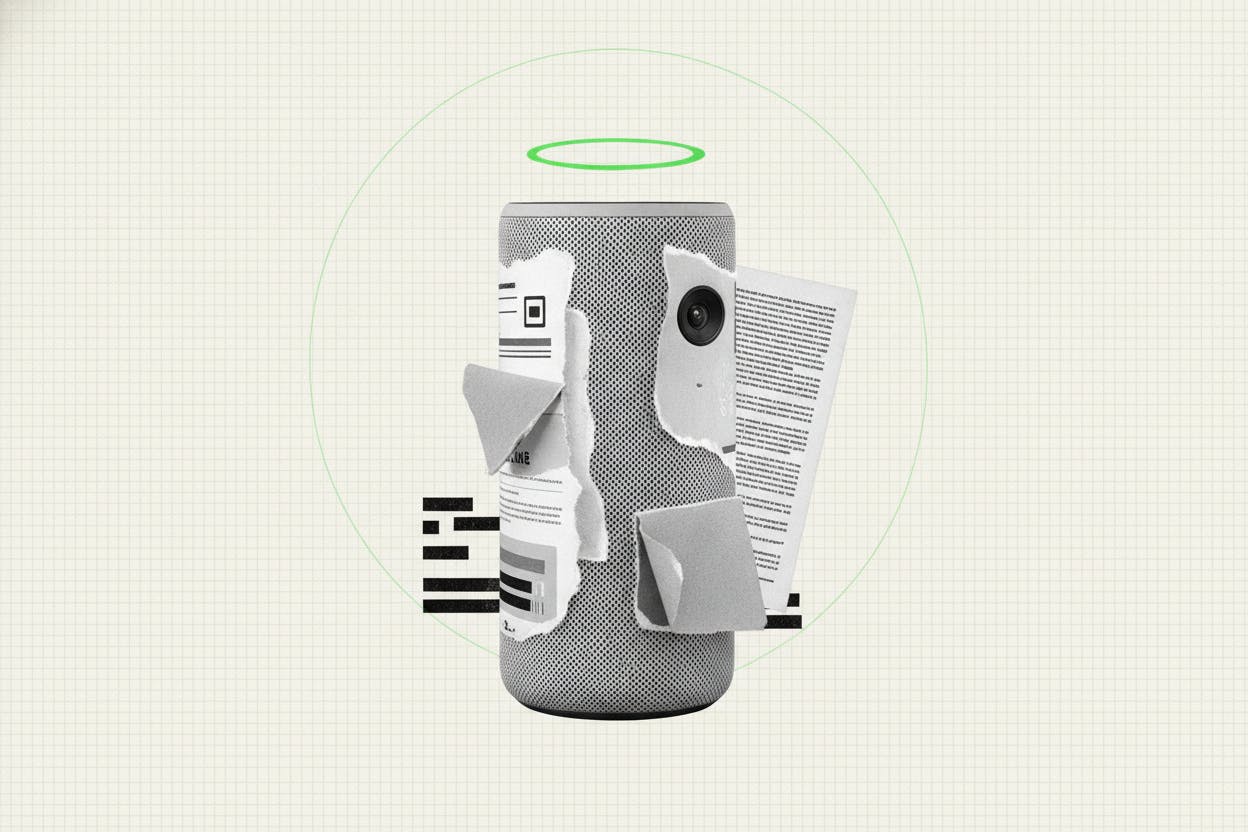
OpenAI, best known for ChatGPT and a suite of enterprise AI software, is reportedly building its first piece of consumer hardware: a portable, screen-free smart speaker equipped with a camera and sensors. According to a report from Bloomberg, the device is designed to act as an always-present home companion, using visual and environmental cues to respond to users in a more natural, context-aware way.
The news comes just days after Apple filed a lawsuit accusing OpenAI of trade-secret theft related to its hardware push. The legal challenge adds a layer of uncertainty to what would be OpenAI's most ambitious move beyond pure software.
What the Device Would Do
The gadget, as described by Bloomberg, would function like a smart speaker but without a screen. Instead, it would rely on a camera and other sensors to understand what is happening around it. For example, it could see that you are cooking and offer a recipe, or notice that you have walked into the room and adjust the lighting or play music. It would answer questions, handle messages, and control smart-home devices through ChatGPT.
The key innovation is "context." Unlike a typical voice assistant that waits for a command, this device would use its sensors to read the room, making the interaction feel less like talking to an app and more like having an ambient presence in the home. This approach mirrors what some other tech companies have attempted with mixed results, but OpenAI's strength in large language models could give it an edge in understanding and responding to nuanced situations.
From Software to Hardware: A Big Shift
If OpenAI ships this device, it would mark a significant strategic pivot. The company currently generates revenue primarily through ChatGPT subscriptions and enterprise contracts, a business model that investors typically value for its recurring, predictable income. Hardware is a different beast. It requires manufacturing scale-up, inventory management, handling returns and warranties, and building a customer support infrastructure. These realities tend to make margins thinner and cash needs harder to predict than software alone.
This move also comes as OpenAI pushes toward a potential IPO, as noted in our coverage of executive changes and super-app ambitions. The company has been expanding its product lineup, including tools like ChatGPT Work, an AI agent that automates office tasks. Adding a physical device would diversify revenue but also introduce new operational complexities.
The Apple Lawsuit Complicates Things
Apple's lawsuit, filed on Friday, alleges that former employees stole trade secrets related to hardware design and then used that information to help OpenAI build its device. The case is still in its early stages, but it could have real consequences. Lawsuits can slow product timelines, raise legal costs, and limit what features or suppliers are feasible, even before a court reaches a decision. For a company new to hardware, any distraction or delay could be costly.
We covered the lawsuit in detail in our article Apple Sues OpenAI Over Alleged Theft of Hardware Trade Secrets by Ex-Employees. The case adds to the growing list of legal and regulatory challenges OpenAI faces as it expands beyond its core AI business.
What It Means for Investors
For markets, Apple's lawsuit complicates OpenAI's move from software into devices. Investors typically value subscription-heavy software businesses for their recurring revenue and relatively predictable profits. Consumer hardware can look different: sales can be lumpy, supply chains can tie up cash, and warranties and returns can bite. So if OpenAI's growth story starts leaning on gadgets, markets may push for more proof on unit economics and demand before awarding a "software-like" valuation.
The Apple case raises the execution-risk discount further. Any injunction, settlement terms, or extended discovery could distract management or delay a launch. In other words, the debate around OpenAI's eventual IPO may hinge less on how fast ChatGPT grows, and more on how big and repeatable this device business can be under legal pressure.
This is not the first time a tech company has tried to build an ambient AI companion. Amazon's Echo line, Google's Nest Hub, and even Apple's HomePod have all aimed for similar territory. But none have fully cracked the code of making a device that feels truly intelligent and unobtrusive. OpenAI's advantage is its advanced language model, which could make interactions more natural. However, the hardware itself must be reliable, affordable, and appealing enough to justify a purchase.
For everyday investors, the key takeaway is that OpenAI is taking a big step into a risky business. While the company's software business remains strong, the hardware push introduces new variables that could affect its valuation and IPO prospects. The Apple lawsuit only adds to the uncertainty. Investors should watch for more details on the device's pricing, features, and launch timeline, as well as any developments in the legal case.