China's economic growth slowed more than expected in the second quarter, as a deepening property downturn and weak investment spending dragged on the world's second-largest economy. Official data released Monday showed gross domestic product (GDP) rose 4.3% from a year earlier, down from 5.0% in the first quarter and below the 4.5% to 5% range that analysts had forecast.
The numbers underscore a familiar challenge for Beijing: while exports and factory output have held up, domestic demand remains sluggish. The property sector, once a key engine of growth, continues to weigh heavily on household confidence and business investment.
What the Data Shows
On a quarter-on-quarter basis, GDP grew 0.9% in the April-to-June period, a modest pace that reflects the uneven nature of the recovery. The headline figure masks a sharp divergence beneath the surface.
Industrial output rose 5.3% in June compared with a year earlier, supported by strong demand for Chinese-made goods abroad, particularly in areas tied to artificial intelligence hardware and green technology. Retail sales also improved, climbing 1.0% in June after a decline in May, helped by government trade-in subsidies that encouraged consumers to swap older appliances and vehicles for newer models.
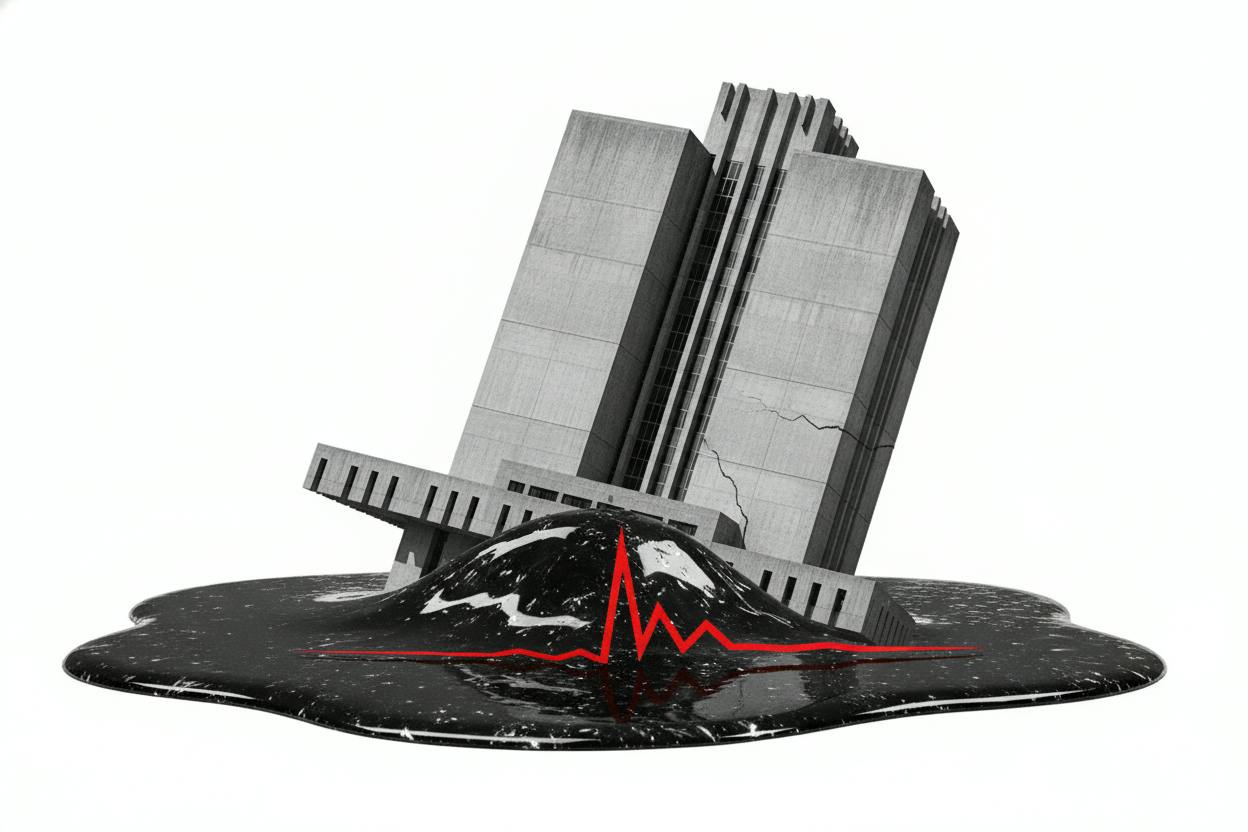
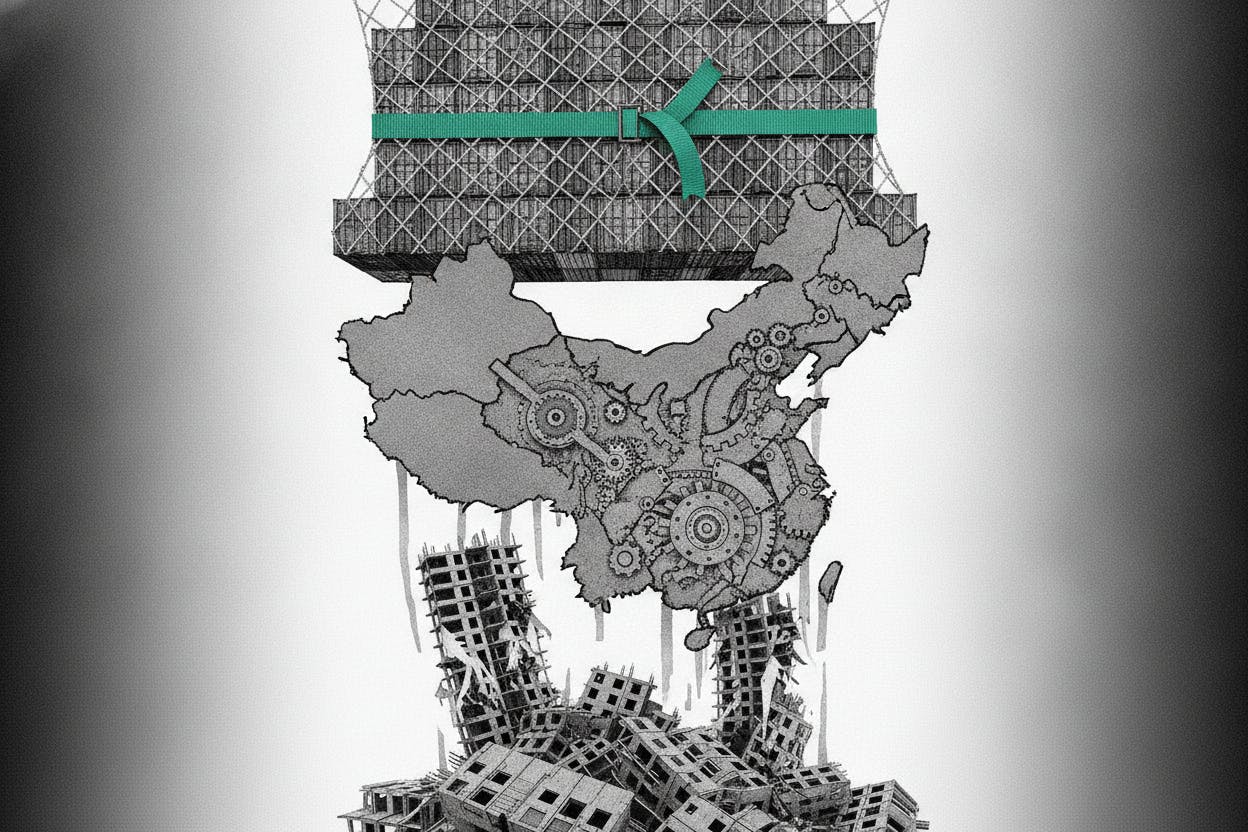
But the weak spots were glaring. Fixed asset investment — a broad measure of spending on infrastructure, real estate, and manufacturing — fell 5.7% in the first half of the year. Property investment alone sank 18.0%, as developers struggled with high debt levels, weak sales, and a glut of unsold homes. That decline has kept households cautious about spending and developers reluctant to start new projects.
“The property sector remains the biggest drag on the economy,” said Junyu Tan at Coface, a credit insurance firm. “Households are still cautious, and developers are focused on deleveraging rather than expanding.”
Exports Carry the Load
With domestic demand faltering, exports have become the main driver of growth. Shipments of goods tied to AI hardware and green technology — such as solar panels, electric vehicle batteries, and semiconductors — have surged, helping to offset weakness in other areas. That trend was highlighted in recent trade data, which showed China's exports rising faster than expected in June.
However, relying on exports leaves the economy vulnerable to external shocks. Trade tensions with the United States and Europe, as well as slowing global demand, could weigh on that pillar in the months ahead. For more on how trade data has moved markets, see our earlier report on Hong Kong stocks rising on strong China trade data.
What It Means for Investors
The weak growth figures put pressure on Beijing to deliver more stimulus. The government has already set a full-year growth target of around 5%, which now looks harder to achieve without additional policy support.
Analysts expect the authorities to ramp up fiscal spending, particularly through the issuance of special local government bonds. These bonds allow local governments to raise money for infrastructure and other projects, effectively acting as a quasi-fiscal stimulus tool. When investment slumps this deeply, Beijing often turns to such measures to shore up growth.
“We expect faster issuance of special local government bonds or new policy financing tools in the coming months,” said Tan. That would mean more government-linked bonds hitting China's onshore market, which could push yields higher in the short term as investors absorb the extra supply.
Zhiwei Zhang at Pinpoint Asset Management, a research firm, said the key event to watch is the late-July Politburo meeting, where top leaders will review economic conditions and set policy direction. “The wording on 'stabilizing investment' or 'accelerating bond issuance' can quickly shift expectations for the pace of that supply-and-spend pipeline,” Zhang said.
For investors, the property sector's 18% drop raises the odds of heavier government-linked bond issuance. That could create opportunities in fixed income markets, but also risks if yields rise too quickly. Meanwhile, the broader equity market may remain volatile until there is clearer evidence that domestic demand is recovering.
China's stock market has already shown signs of strain, with stocks splitting as Middle East tensions rise and Beijing targets ambitious retail sales goals. The government's recent push to boost consumption, including a 60 trillion yuan retail sales target for 2030, highlights the challenge of shifting the economy away from its reliance on exports and property.
The Bottom Line
China's Q2 GDP miss is a reminder that the recovery remains uneven and fragile. While exports and industrial output provide a buffer, the property slump and weak investment are deep-seated problems that require sustained policy effort to address. The Politburo meeting later this month will be a critical test of whether Beijing is willing to lean harder on stimulus to keep its growth target within reach.
For everyday investors, the key takeaway is that China's economic trajectory is likely to remain bumpy in the near term. Bond markets may see increased supply, while equities could stay range-bound until domestic demand shows clearer signs of improvement. As always, diversification and a long-term perspective are important when navigating such uncertainty.