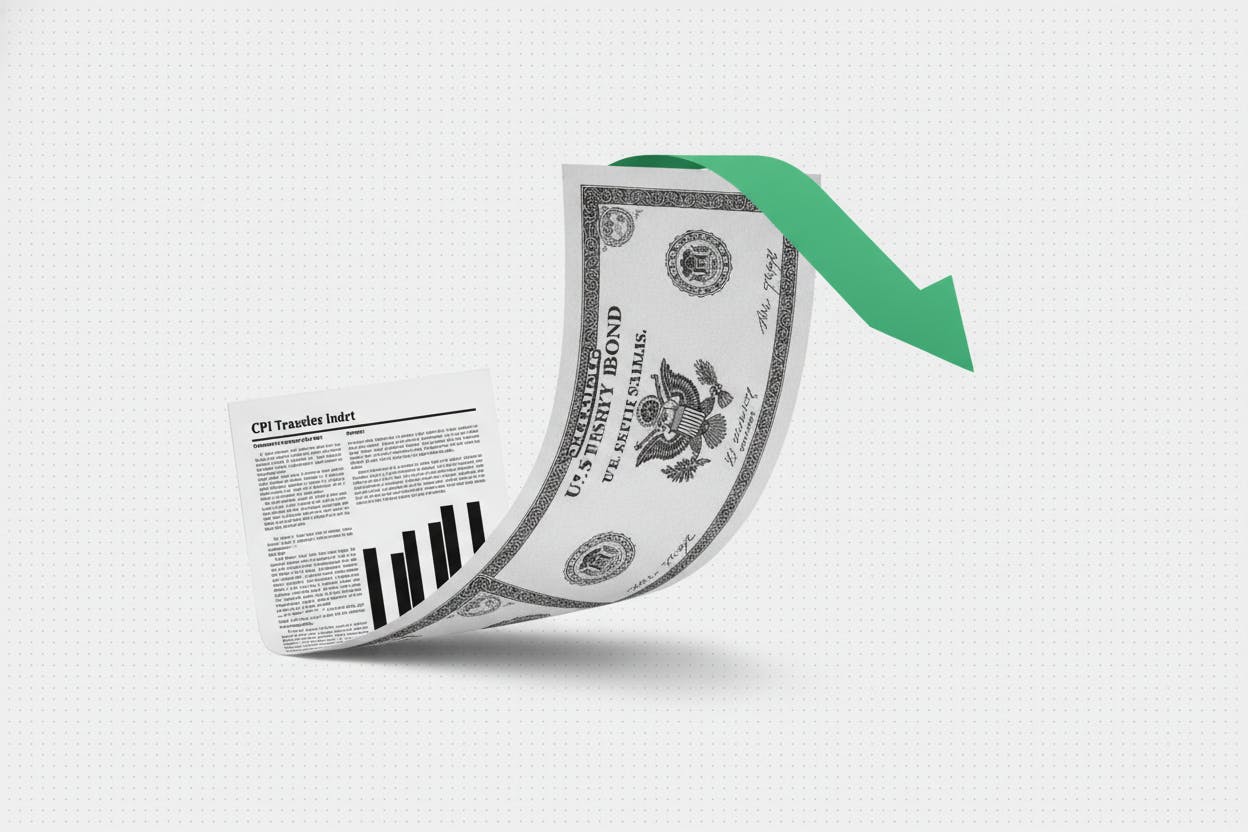
US Treasury yields slipped on Wednesday after a cooler-than-expected June inflation report eased fears that the Federal Reserve would need to raise interest rates again next month. The Consumer Price Index (CPI) rose 3.5% year-on-year in June but fell 0.4% from May, according to the latest data, surprising markets that had braced for a hotter reading.
The month-on-month decline was particularly notable, as it marked the first drop in overall prices since early 2020. Core CPI, which strips out volatile food and energy costs, also came in softer than anticipated, reinforcing the view that the central bank's aggressive tightening campaign is finally taming price pressures.
Market Reaction: Yields Drop, Rate Hike Odds Plummet
Following the release, the yield on the benchmark 10-year Treasury note fell sharply, reflecting a surge in demand for safe-haven government debt. Shorter-term yields, which are more sensitive to Fed policy expectations, also declined. According to the CME FedWatch Tool, the probability of a quarter-point rate hike at the Fed's July meeting dropped to just 16.6%, down from roughly 30% a day earlier.
This shift in expectations was a direct response to the inflation data. When inflation runs hot, the Fed typically raises rates to cool the economy, which pushes bond yields higher. Conversely, cooling inflation reduces the urgency for further tightening, making existing bonds more attractive and sending yields lower.
For everyday investors, lower Treasury yields can have a ripple effect across portfolios. They often lead to higher bond prices, which benefits holders of existing bonds. They can also make stocks more appealing, as lower yields reduce the relative attractiveness of fixed-income investments and lower borrowing costs for companies.
What This Means for the Fed and Your Money
The June CPI report is a key piece of the puzzle for the Federal Reserve, which has been navigating a delicate balancing act between curbing inflation and avoiding a recession. The central bank has held its benchmark interest rate steady at 5.25% to 5.50% since July 2023, and the latest data strengthens the case for keeping rates on hold through the summer.
However, the year-on-year CPI reading of 3.5% remains above the Fed's 2% target, meaning policymakers are not yet ready to declare victory. Investors should watch for upcoming comments from Fed officials, as well as other economic indicators like employment and consumer spending, for clues about the timing of potential rate cuts.
The cooling inflation also boosted other asset classes. Gold rebounded nearly 2% as the dollar and yields fell, while stock markets in the US and abroad, including the FTSE 100 and Canada's TSX, rose on hopes that rate cuts could come sooner than previously expected. Meanwhile, oil prices surged on geopolitical tensions, highlighting the complex backdrop for investors.
Broader Context: A Global Trend?
The US is not alone in seeing inflation ease. Central banks around the world, from Angola to the UK, are grappling with similar dynamics. Angola recently cut its key rate to 15.75% as its own inflation dropped below 11%, while UK banks are pushing for domestic AI capabilities to stay competitive. These developments underscore a global trend toward disinflation, though the pace varies by region.
For investors, the key takeaway is that the era of rapid rate hikes appears to be behind us, but the path to lower rates remains uncertain. The June CPI report is a positive sign, but it does not guarantee an immediate pivot from the Fed. As always, diversification and a long-term perspective remain essential strategies for navigating changing market conditions.