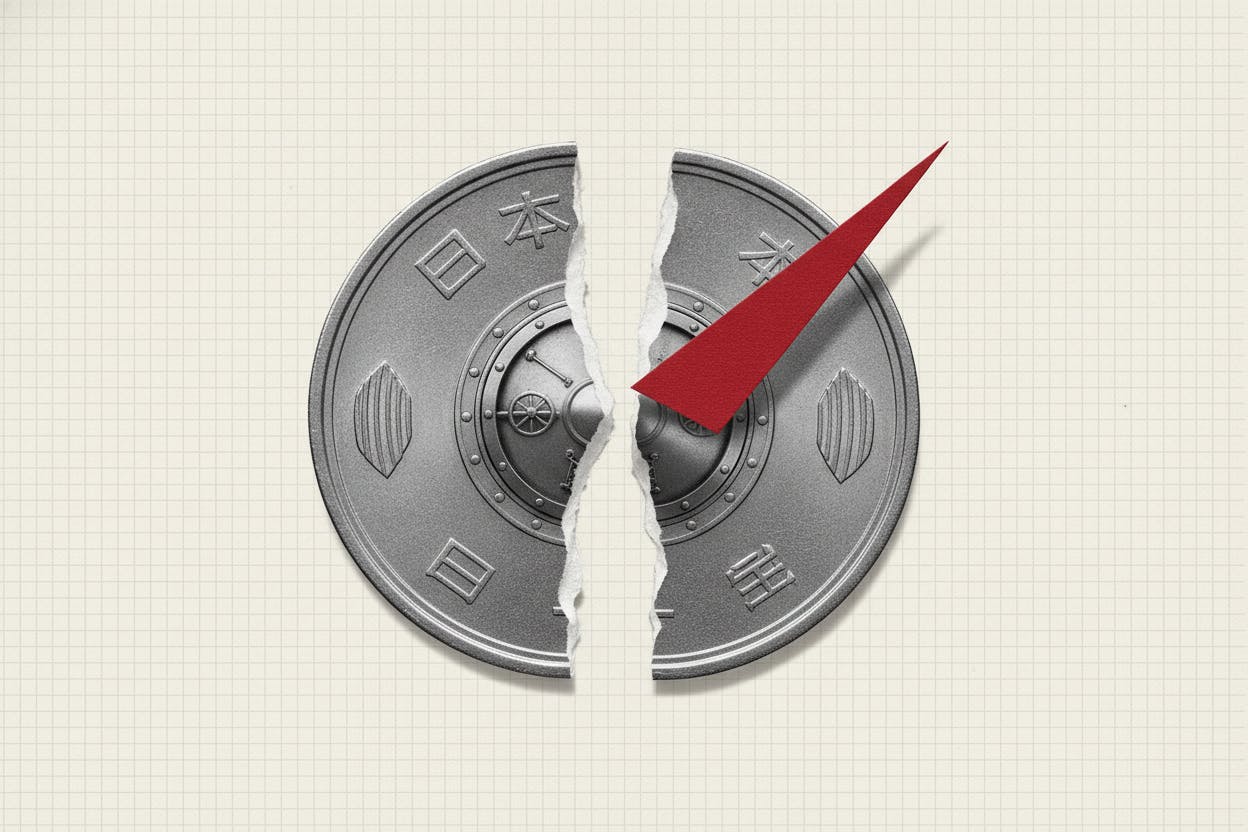
The Bank of Japan's (BOJ) landmark 2016 decision to push interest rates below zero was far from unanimous, according to minutes released this week. The move scraped through on a 5-4 vote, with several policymakers calling the plan half-baked and warning it could damage the banking sector or trigger a currency-cutting contest with Europe.
What Happened in 2016?
In January 2016, the BOJ became one of the first major central banks to adopt negative interest rates, a policy aimed at fighting deflation and stimulating a stagnant economy. The idea was to charge commercial banks for holding excess reserves, encouraging them to lend more instead. But the minutes show deep internal resistance. Four of the nine board members opposed the move, arguing it was rushed and poorly designed. Some warned that negative rates would squeeze bank profits by compressing the spread between what banks earn on loans and what they pay for deposits. Others feared it could spark a currency race with Europe, where the European Central Bank had already gone negative, potentially weakening the yen further and destabilizing trade.
Why This Matters Now
The release of these minutes comes at a time when central banks around the world are grappling with how to manage interest rates in a post-pandemic economy. The BOJ itself has only recently begun to inch away from its ultra-loose policies, raising rates modestly in 2024 as inflation finally picked up. The 2016 episode is a reminder that even unconventional tools like negative rates can be deeply divisive among policymakers. For investors, the split vote underscores the risks of relying on central bank actions that lack broad consensus. When a policy passes by a razor-thin margin, it may be more vulnerable to reversal or modification later, creating uncertainty for markets.
What It Means for Investors
For everyday investors, the BOJ's internal debate highlights a key lesson: central bank decisions are not always straightforward. The warnings about bank damage are particularly relevant today. Japanese banks, like many globally, have struggled with low margins for years. Negative rates can hurt their profitability, which in turn can affect stock prices in the banking sector. Investors with exposure to Japanese financial stocks or funds should be aware that the BOJ's policy path remains a source of debate. The currency race warning also matters. If the BOJ had pushed rates deeper negative, it could have triggered competitive devaluations, affecting currency-hedged investments and international portfolios. The minutes also tie into broader market themes. For example, the recent split among Fed officials on the next rate move shows that central bank divisions are not unique to Japan. Similarly, the focus on net interest income guidance during bank earnings week reflects how rate decisions directly impact bank profits. Investors watching the BOJ should also note the recent moves by China to set a floor on bill re-discount rates, as Asian central banks navigate similar challenges.
The Bottom Line
The BOJ minutes from 2016 are a historical footnote, but they carry a contemporary message: central banking is not a science, and policy decisions often hinge on narrow margins. For investors, understanding the internal dynamics of central banks can provide clues about future policy shifts. The 5-4 vote on negative rates shows that even bold experiments can be controversial from the start. As the BOJ continues to normalize policy, the scars of that debate may shape its next moves.