Australia's sharemarket edged higher on Tuesday, with the benchmark ASX 200 adding 0.4% as gains in heavyweight mining and banking stocks outweighed weakness elsewhere. The move extended a recent run of resilience for the local market, which has been supported by firm commodity prices and steady demand for bank shares.
Miners lead the charge
The materials sector was the clear driver of the day's advance. Global mining giants BHP and Rio Tinto both finished higher, helped by continued strength in iron ore and gold prices. Iron ore, Australia's single biggest export earner, has remained firm on expectations of steady demand from Chinese steelmakers, while gold has been buoyed by safe-haven buying and recent inflows into exchange-traded funds. As we noted in our coverage of gold's recent rally, the precious metal has climbed to multi-month highs as investors position ahead of key economic data.
The big four banks also contributed to the index's rise, as investors continued to favour their reliable dividends in an environment where interest rates are expected to stay higher for longer. Because the ASX 200 is so heavily weighted toward miners and banks, when these two groups move together the whole index tends to follow.
Woodside's surprising strength
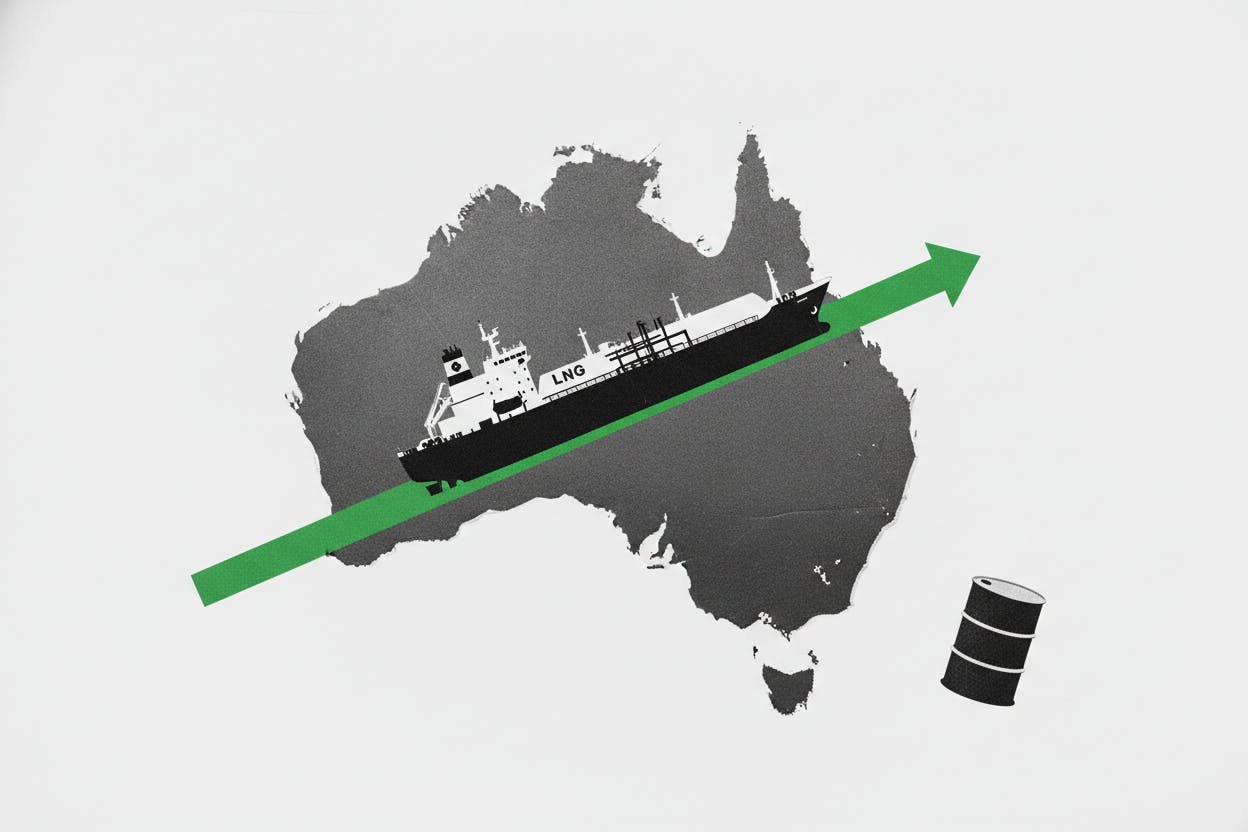
The more interesting move came from the energy sector. Woodside Energy, Australia's largest oil and gas producer, climbed to a more-than-four-month high even though global oil prices fell on the day. That divergence may look odd at first glance, but it reflects a broader market narrative: investors are increasingly focused on company-specific fundamentals rather than just the day-to-day swings in crude.
Woodside recently reported a 7% rise in half-year profit, helped by higher realised oil prices and strong production. That result gave investors confidence in the company's ability to generate cash and maintain its dividend, even if the near-term outlook for oil prices is uncertain. Additionally, some traders may be positioning for potential supply disruptions, as the market keeps an eye on possible US sanctions on Iran, which could tighten global supply.
It's worth noting that oil prices have been volatile recently, with traders weighing concerns about global demand against geopolitical risks. The fact that Woodside rose despite a softer oil price suggests that investors are looking past the immediate noise and focusing on the company's longer-term earnings power.
What it means for investors
For everyday investors, Tuesday's session is a reminder of how concentrated the Australian market is. A handful of large miners and banks can move the entire index, so it's important to understand that a rising ASX 200 doesn't always mean every stock is doing well. When you invest in a broad index fund, you're effectively betting on the fortunes of these big players.
The strength in miners also highlights the ongoing importance of commodity prices to the Australian economy. Iron ore and gold are major export earners, and their prices have a direct impact on company profits, government tax revenue, and ultimately the health of the local sharemarket. Investors should keep an eye on Chinese economic data and global interest rate expectations, as these are key drivers of commodity demand.
For those holding energy stocks like Woodside, the lesson is that company-specific factors—such as production levels, cost control, and dividend policy—can matter just as much as the price of the underlying commodity. A company with a strong balance sheet and a clear strategy can outperform even when the commodity cycle turns against it.
Looking ahead, market participants will be watching for the next round of inflation data, which could influence the Reserve Bank of Australia's interest rate decisions. As we've seen in previous sessions, the ASX 200 often moves in anticipation of such data, and any surprises could trigger a shift in sentiment.
Overall, Tuesday's modest gain reflects a market that remains supported by solid fundamentals but is also cautious about the global outlook. For investors, the key takeaway is to stay diversified and not get too caught up in daily index moves. Focus on the long-term drivers—earnings, dividends, and economic trends—rather than short-term noise.