Australian shares closed higher on [day], with the S&P/ASX 200 adding 0.57% to 8,735.70, following a strong session on Wall Street where the Nasdaq set a record close. The local market's advance was broad-based, but beneath the surface, new surveys painted a more cautious picture of the Australian consumer.
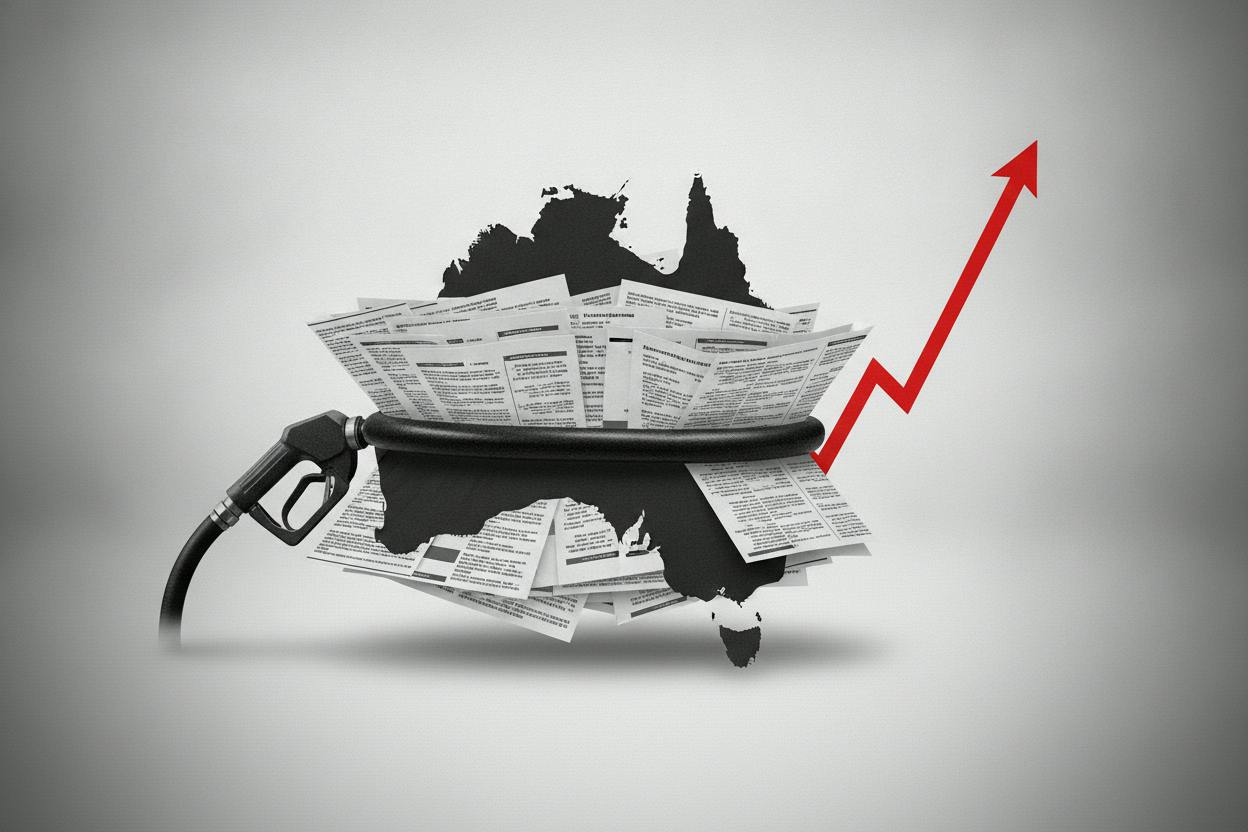
Household confidence has taken a hit as petrol prices hover near multi-year highs and mortgage repayments continue to climb. The combination is squeezing household budgets, and that's showing up in sentiment readings that have fallen to some of the lowest levels in years.
Why consumer confidence matters
Consumer confidence is a closely watched gauge because it tends to lead actual spending. When households feel less secure about their finances, they're more likely to delay big purchases, eat out less, and save more. That can slow economic growth and weigh on company earnings, particularly for retailers, travel operators, and other discretionary businesses.
The latest dip in confidence comes after the Reserve Bank of Australia raised interest rates to a 15-year high, a move that has pushed variable mortgage rates higher and increased the cost of servicing debt. For many households, the combination of higher loan repayments and more expensive fuel is eating into the cash they have left for everything else.
Fuel prices have been a particular sore point. Brent crude has been hovering around $100 a barrel, a level that not only hits motorists at the pump but also feeds into broader inflation. Even as economic growth cools, high energy costs can keep inflation pressures alive, complicating the central bank's job.
The offshore driver: US Treasury yields
While local factors are at play, the biggest influence on Australian markets right now is coming from offshore. US 10-year and 30-year Treasury yields have pushed to fresh 24-year highs, a move that tends to pull up bond yields in other countries, including Australia.
Higher US yields make US government bonds more attractive to global investors, which can draw capital away from riskier assets like stocks. They also put upward pressure on borrowing costs worldwide, as governments and companies have to offer higher returns to attract buyers for their debt.
For Australian investors, the rise in US yields is a double-edged sword. On one hand, it reflects a resilient US economy and strong demand for credit. On the other, it raises the cost of capital globally and can make the Australian dollar more volatile. It also puts pressure on the RBA to keep local rates higher for longer, to defend the currency and keep inflation in check.
Interestingly, stocks have so far shrugged off the yield spike. The Nasdaq's record close shows that investors are still willing to pay up for growth, especially in technology and AI-related names. But that optimism could fade if yields keep climbing, as higher discount rates make future earnings less valuable.
What it means for investors
For everyday investors, the key takeaway is that markets are sending mixed signals. Equities are rising, but the underlying economic picture is more fragile. Consumer confidence is weak, fuel costs are high, and mortgage rates are at levels not seen in over a decade.
That divergence suggests investors should be prepared for volatility. A market that climbs on the back of a few strong sectors, like tech, can quickly reverse if sentiment turns. Diversification remains important, as does keeping an eye on interest rates and inflation data.
For those with variable-rate mortgages, the higher-for-longer rate environment means budgeting for continued pressure on repayments. For savers, higher bond yields can be a positive, as they translate into better returns on cash and fixed-income investments.
In the near term, all eyes will be on the next inflation prints and central bank commentary. If US yields keep pushing higher, Australian stocks may find it harder to sustain gains, even with Wall Street leading the way.
As always, it's worth remembering that markets move in cycles. The current combination of record stock prices and cautious consumers is unusual, but not unprecedented. Staying focused on long-term goals and avoiding knee-jerk reactions is often the best strategy.
For more on how rising yields are affecting markets, see our analysis of stocks rising despite the 10-year yield hitting a 24-year high. And for a look at how consumer confidence is tracking, check out the latest reading on Australian consumer confidence.