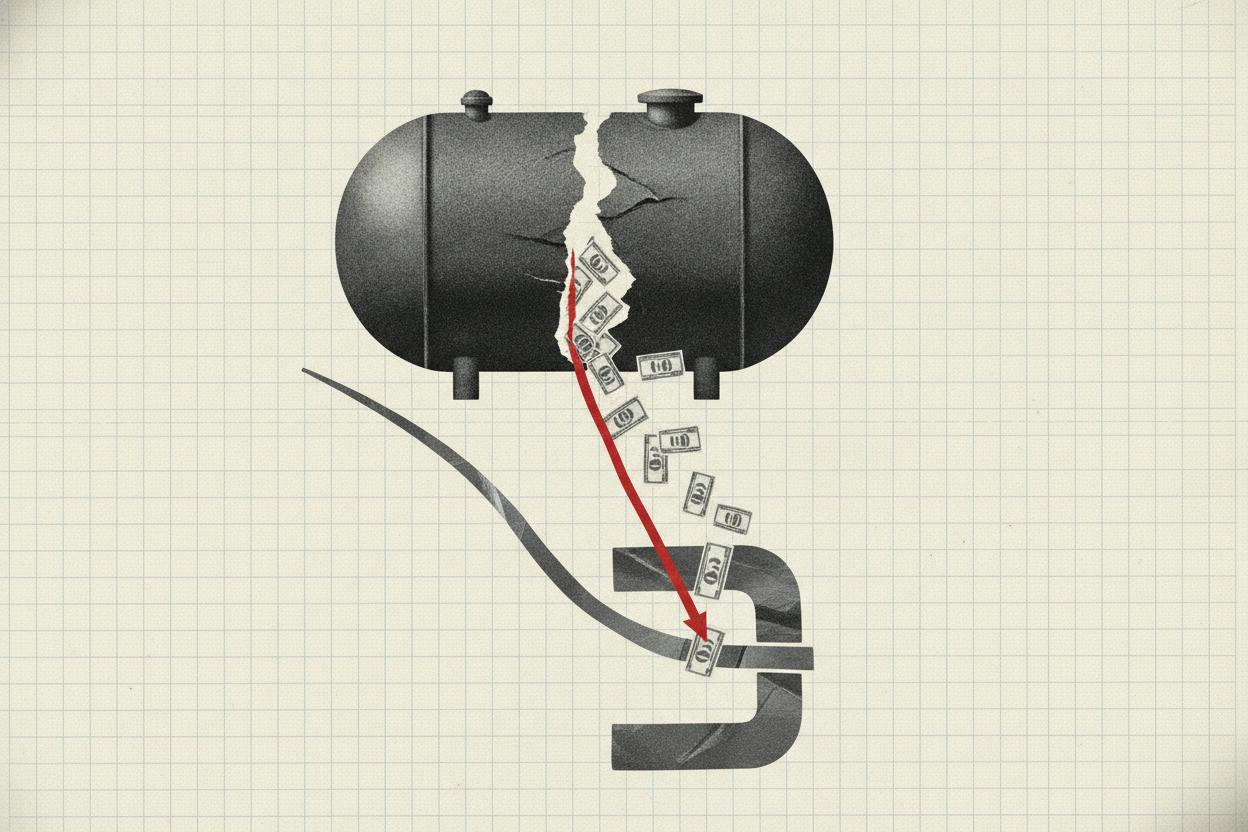
Glencore, the global mining and trading giant, has raised its profit outlook for its marketing division for 2026, a move that Bank of America analysts described as a positive development. The upgrade comes as volatile commodity markets create more trading opportunities, allowing the company's marketing arm—which buys, sells, and transports commodities like oil, metals, and grains—to generate higher profits.
In a note to clients, Bank of America said the upgraded guidance is a “plus” for Glencore, even though higher financing costs could make the cash impact look less impressive than the headline numbers suggest. This nuance is important for investors to understand, as the company's marketing business often benefits from market turbulence, but the cost of funding its trading activities can eat into the final cash returns.
What is Glencore's marketing business?
Glencore is one of the world's largest diversified natural resource companies, with operations spanning mining, smelting, refining, and trading. Its marketing arm is essentially a massive trading desk that buys and sells physical commodities—from copper and zinc to crude oil and coal—across global markets. This division earns money by taking advantage of price differences between regions, time periods, and market conditions.
When commodity markets are volatile—prices swinging sharply due to supply disruptions, geopolitical tensions, or shifting demand—the marketing business can profit more because there are wider spreads to exploit. That's why the company's upgraded 2026 outlook is tied to “volatile commodity markets,” as Bank of America noted.
However, the trading business also requires significant capital to finance inventory and logistics. When interest rates are high, the cost of borrowing to fund these activities rises, which can reduce the net cash generated. Bank of America's caution about “higher financing costs” reflects this reality: the headline profit figure may look strong, but the actual cash flow could be less impressive once financing expenses are accounted for.
Why this matters for investors
For everyday investors, Glencore's upgraded outlook is a signal that the company expects its trading arm to remain a strong profit driver in the coming years. This is particularly relevant because Glencore's marketing business has historically been a key source of earnings, often offsetting volatility in its mining operations.
But the Bank of America commentary highlights a critical distinction: profit and cash are not the same thing. A company can report higher profits, but if financing costs are also rising, the actual cash returned to shareholders—through dividends or buybacks—may not grow as much as the headline suggests. Investors should therefore look beyond the profit figure and consider the company's cash generation, debt levels, and interest expenses.
Glencore is also a major player in the energy transition, with significant exposure to copper, nickel, and cobalt—metals essential for electric vehicles and renewable energy infrastructure. As demand for these metals grows, the marketing business could benefit from increased trading volumes, even if price volatility subsides.
Broader market context
The upgrade comes at a time when commodity markets have been particularly turbulent, driven by factors such as geopolitical conflicts, supply chain disruptions, and shifting central bank policies. For instance, soft US jobs data has recently influenced currency and commodity movements, while AI-driven demand has lifted certain industrial metals. These dynamics create both opportunities and risks for commodity traders like Glencore.
Investors have also been watching how companies across sectors are adjusting their outlooks. For example, Truist sees industrials lifting 2026 outlooks on data center demand, and Accenture's upbeat outlook lifted IT stocks. Glencore's move is part of a broader trend of companies providing forward guidance that reflects current market conditions.
What to watch next
Investors will likely monitor Glencore's upcoming earnings reports to see whether the upgraded outlook translates into actual cash generation. Key metrics to watch include the marketing division's adjusted EBIT (earnings before interest and taxes), as well as the company's net debt and interest coverage ratios.
Another factor to consider is the trajectory of interest rates. If central banks begin cutting rates later this year, financing costs could ease, potentially boosting the cash impact of Glencore's marketing profits. Conversely, if rates stay higher for longer, the gap between headline profit and cash flow may persist.
For those new to commodity trading, it's worth understanding that this business is inherently cyclical and volatile. While Glencore's marketing arm can deliver strong returns during turbulent times, it can also face headwinds when markets calm down. Diversification across asset classes and sectors remains a prudent strategy for most investors.
In summary, Glencore's upgraded 2026 profit outlook is a positive sign, but the full picture depends on financing costs and cash conversion. As always, investors should focus on the underlying fundamentals rather than just the headline numbers.