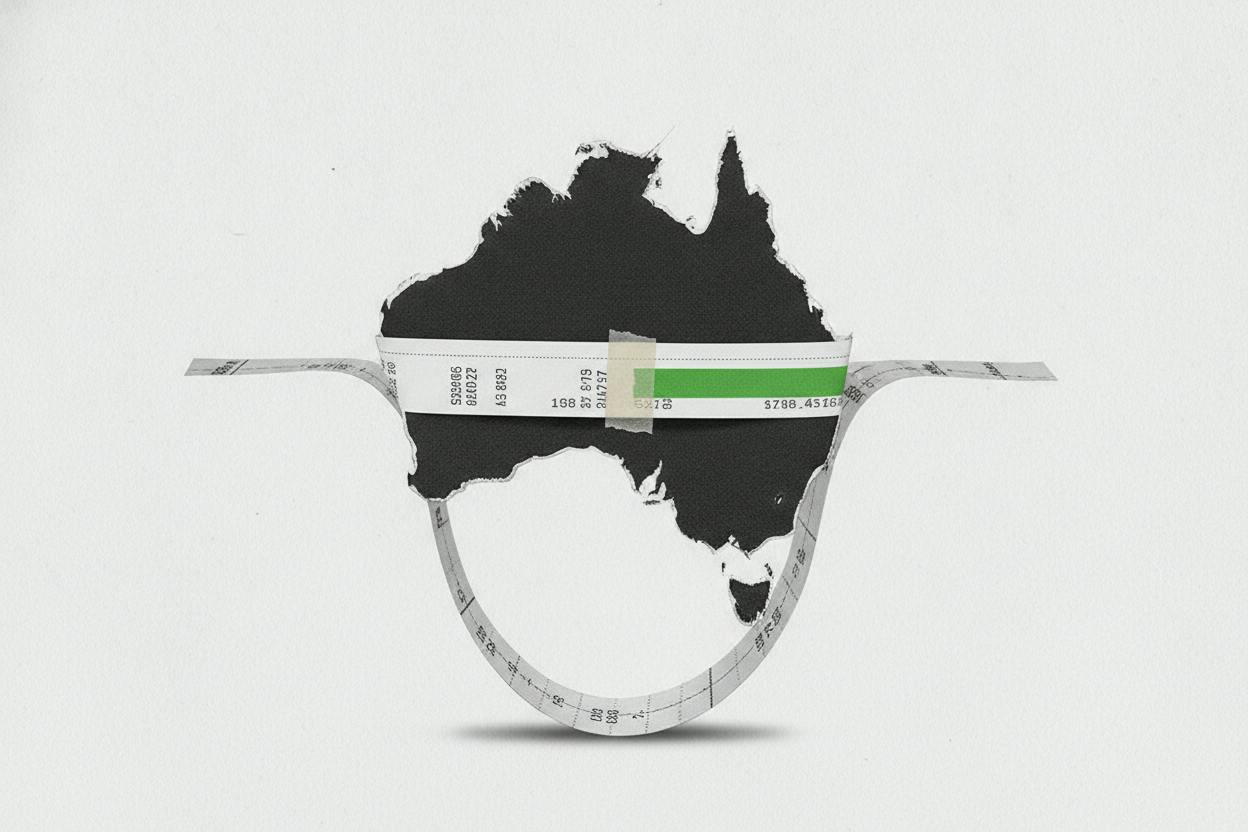
Australian shares slid to a two-week low on Wednesday, as an unexpectedly strong wages report reignited worries that the Reserve Bank of Australia (RBA) may have to raise interest rates again. The S&P/ASX 200 fell 0.7% to 8,821.80, extending a five-session losing streak that has wiped out recent gains.
The trigger was fresh data showing wage growth running at its fastest pace in almost three years in the September quarter. For everyday investors, that matters because faster pay rises can feed into inflation, making it harder for the central bank to bring price pressures under control.
Why wage growth spooks the market
When wages climb quickly, businesses often pass those higher costs on to customers through price increases. That can keep inflation elevated, which is exactly what the RBA is trying to avoid. The central bank has been holding interest rates at a 12-year high, hoping to cool the economy enough to bring inflation back to its 2-3% target range.
But if wage growth stays hot, the RBA may feel it has no choice but to hike rates again. Higher rates make borrowing more expensive for companies and consumers, which tends to weigh on corporate profits and share prices. That's why the ASX 200's slide makes sense: investors are repricing the odds of another rate rise.
The market's focus now shifts to Thursday's jobs data. A strong employment report would reinforce the view that the labor market remains tight, giving the RBA more reason to act. Conversely, a weaker number could ease some of those fears.
Global backdrop adds to the pressure
It's not just domestic worries dragging on Australian stocks. Globally, investors are also jittery about the sustainability of the artificial intelligence spending boom, which has driven much of the recent rally in tech shares. Concerns that AI-related capital expenditure may be cooling have hit sentiment across markets, including Australia.
There's also the broader theme of central banks keeping rates higher for longer. The U.S. Federal Reserve and other major central banks have signaled they are in no rush to cut rates, which keeps global borrowing costs elevated. That environment tends to be less supportive for equities, especially growth-oriented sectors.
These global headwinds have compounded the local wage shock, pushing the ASX 200 to its lowest level in two weeks. The index has now fallen for five straight sessions, a clear sign that investor confidence has taken a hit.
What it means for investors
For everyday investors, the key takeaway is that the path of interest rates remains the single biggest driver of Australian share prices right now. When rate hike fears resurface, expect volatility in the market, particularly in rate-sensitive sectors like real estate, utilities, and banks.
It's also worth remembering that wage data is just one piece of the puzzle. The RBA will be looking at a range of indicators, including inflation, employment, and consumer spending, before making its next move. Thursday's jobs report will be a crucial data point, but it won't be the final word.
Investors should also keep an eye on global developments, especially anything related to AI spending and central bank policy. The recent rally in Asia-Pacific stocks on Nvidia's strong forecast showed how quickly sentiment can shift, but the current AI worries have also dragged on Australian shares.
For those with a longer time horizon, short-term dips like this can be unsettling, but they are a normal part of market cycles. The key is to stay diversified and avoid making impulsive decisions based on a single day's move.
As always, it's important to remember that this is not financial advice. Every investor's situation is different, and it's wise to consider your own goals and risk tolerance before making any portfolio changes.
The coming days will likely bring more clarity. If Thursday's jobs data comes in soft, rate cut hopes could quickly return, potentially lifting the market. If it's strong, the sell-off may have further to run. Either way, the RBA's next move will be the dominant theme for Australian investors in the weeks ahead.