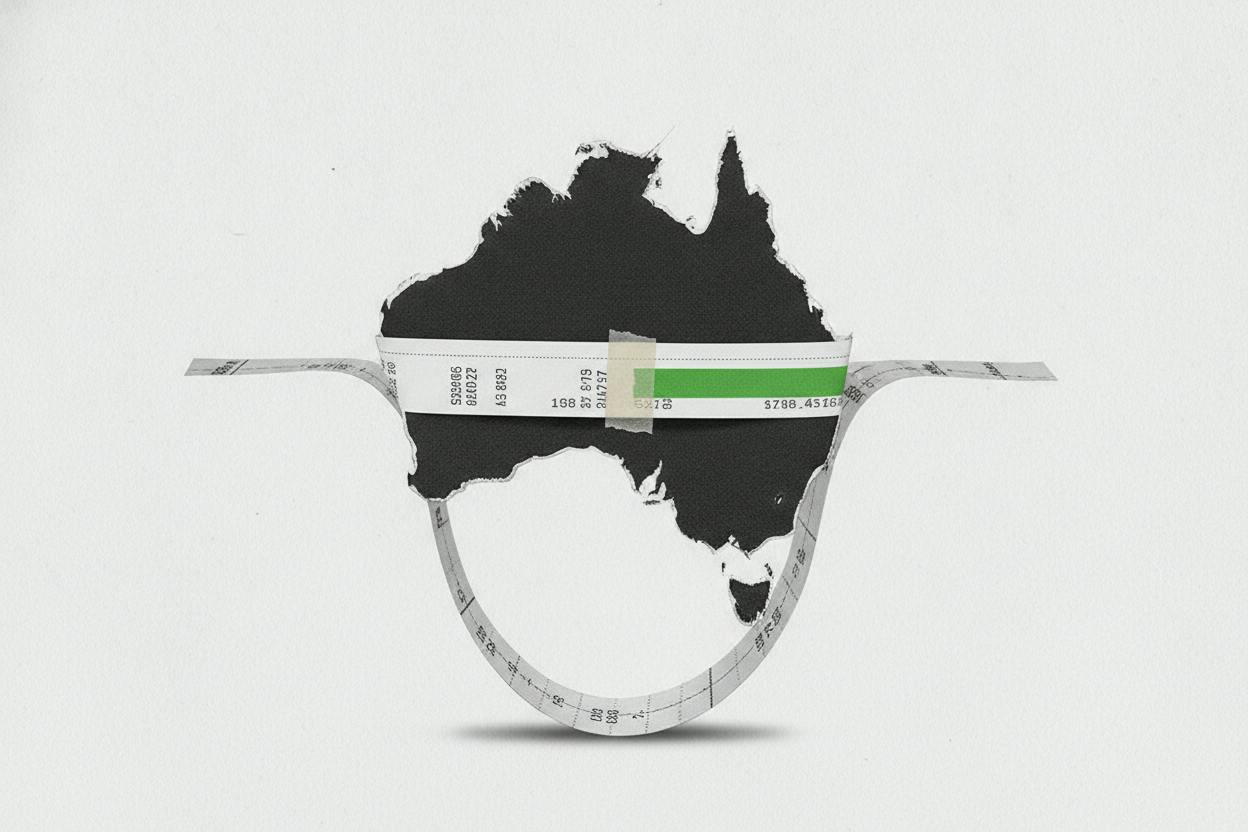
Infratil, the New Zealand infrastructure investor with a large stake in Australian data center operator CDC, has poured cold water on the idea that the country's data center building spree will keep accelerating. CEO Jason Boyes said the widely cited forecast of A$150 billion in construction by the end of the decade carries "risk to the downside," pointing to persistently high borrowing costs and growing talk of regulation.
The caution comes even as CDC helped Infratil raise its full-year earnings guidance, underscoring the tension between a booming present and a more uncertain future.
Why the caution?
Data centers are among the most capital-intensive projects in the modern economy. Building a single facility can cost hundreds of millions of dollars, and most of that money is borrowed. When interest rates are high, the cost of servicing that debt eats into returns, making new projects harder to justify.
Infratil's CEO noted that economists have been projecting A$150 billion of Australian data center construction by 2030, but he sees reasons to be skeptical. "There is risk to the downside," he said, as borrowing costs stay elevated and policymakers increasingly discuss regulating the sector.
Regulation is a wildcard. Data centers are huge consumers of electricity and water, and they often sit in residential or industrial areas where local communities push back. Governments are also starting to look at issues like grid connection, environmental impact, and even national security. Any new rules could slow approvals and raise costs.
CDC: the bright spot
Despite the cautious tone, Infratil's own numbers are improving. The company lifted its full-year guidance, thanks largely to CDC's performance. CDC is one of Australia's largest data center operators, with facilities in Sydney, Melbourne, and Canberra, and it has been expanding rapidly to meet demand from cloud providers and AI workloads.
That demand is real. Nvidia's investments in chip packaging highlight the AI boom that is driving data center growth. But Infratil's warning is a reminder that supply and demand don't always move in lockstep. If rates stay high and regulation tightens, some of those projected buildouts may be delayed or scrapped.
This isn't the first time Infratil has flagged the impact of interest rates. Earlier, the company cut the value of its Longroad renewable energy stake for similar reasons. Higher rates make future cash flows less valuable, which hits long-duration assets like data centers and renewables hardest.
What it means for investors
For everyday investors, this is a useful reality check. Data centers have been one of the hottest corners of the market, with everyone from tech giants to infrastructure funds piling in. But the economics of these projects are sensitive to interest rates and regulation, two forces that are hard to predict.
If you own shares in companies with data center exposure—whether directly like Infratil or indirectly through property trusts or tech funds—it's worth watching how these factors evolve. A slowdown in construction could mean less supply, which might actually support prices for existing facilities. But it could also signal that the market is closer to saturation than some expect.
Infratil's guidance raise shows that current operations are strong, but the CEO's comments suggest the company is bracing for a less rosy future. That's a classic sign of a mature industry: the easy growth may be over, and the next phase could be more competitive and more regulated.
For now, the data center boom isn't over. But investors should be prepared for the possibility that the pace of new builds slows, and that the companies best positioned are those with strong existing assets and the ability to weather higher costs.