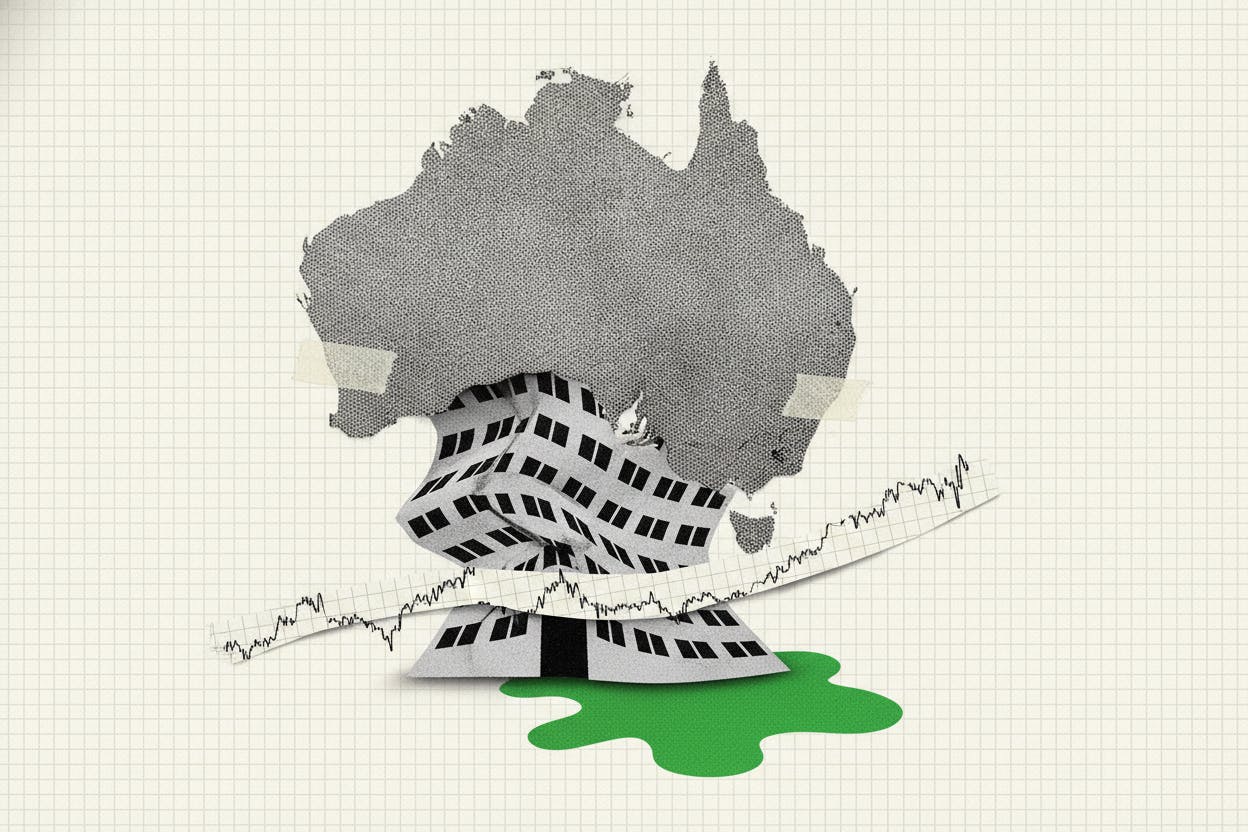
Australia's benchmark share index, the ASX 200, slipped 0.2% on Friday, as losses in technology and property stocks outweighed gains in energy shares. The mixed session left investors weighing two very different forces: rising oil prices that boosted energy companies, and a softer jobs market that could influence the Reserve Bank of Australia's next move.
Energy stocks were the bright spot, climbing as oil prices firmed. That helped cushion the broader index's decline, but it wasn't enough to offset weakness elsewhere. Growth-focused tech names fell in line with their US peers, with logistics software firm WiseTech Global and data-center operator NEXTDC among the laggards.
Property was the bigger story, however. A weaker-than-expected July jobs report pushed Australia's unemployment rate to its highest level since late 2021. That's significant because a looser labour market can ease pressure on the central bank to raise interest rates further.
What the jobs data means for rates
The unemployment rate is a key indicator for the Reserve Bank of Australia (RBA). When jobs are plentiful and wages are rising, the RBA tends to worry about inflation and may hike rates to cool the economy. But when the job market softens, the case for further tightening weakens.
Friday's data showed the jobless rate ticking up, which markets read as a sign that the RBA might hold off on another rate increase. That's generally positive for property stocks, because higher rates tend to push up borrowing costs and weigh on property values. Yet the property sector still fell, suggesting investors were focused on other concerns, such as the broader economic slowdown.
For everyday investors, the takeaway is that the Australian market is being pulled in different directions. Energy stocks benefit from higher oil prices, while tech and property are sensitive to interest-rate expectations and global growth. A weaker jobs market can be a double-edged sword: it may reduce the chance of a rate hike, but it also signals that the economy is losing momentum.
Tech weakness mirrors global trend
The decline in Australian tech stocks echoed a broader pullback in US technology shares. Investors have been reassessing high-growth companies, especially those with valuations that depend on future earnings. When global tech sentiment turns cautious, Australian names like WiseTech Global and NEXTDC often feel the pinch.
WiseTech Global is a logistics software company that has expanded rapidly, while NEXTDC builds and operates data centers, a sector that has boomed with the rise of cloud computing and artificial intelligence. Both are considered growth stocks, meaning their share prices are more sensitive to changes in interest rates and investor risk appetite.
For investors, this highlights the importance of diversification. A portfolio that leans heavily on tech or property can be volatile when those sectors fall out of favour. Energy, on the other hand, can provide a hedge when oil prices rise, as it did on Friday.
What to watch next
Investors will be watching oil prices closely, as they directly affect energy stocks and also feed into inflation. If oil continues to climb, it could push inflation higher, which might force the RBA to reconsider its stance on rates. Conversely, a sustained rise in unemployment could give the central bank room to cut rates, which would likely boost property and other rate-sensitive sectors.
The Australian market's performance also depends on global cues, particularly from the US. If US tech stocks stabilise, Australian tech could recover. But if the global economy slows further, the ASX 200 may face more headwinds.
For now, the message is one of caution. The market is navigating a complex environment where good news for one sector can be bad news for another. As always, it's wise to keep a long-term perspective and avoid making hasty decisions based on a single day's move.