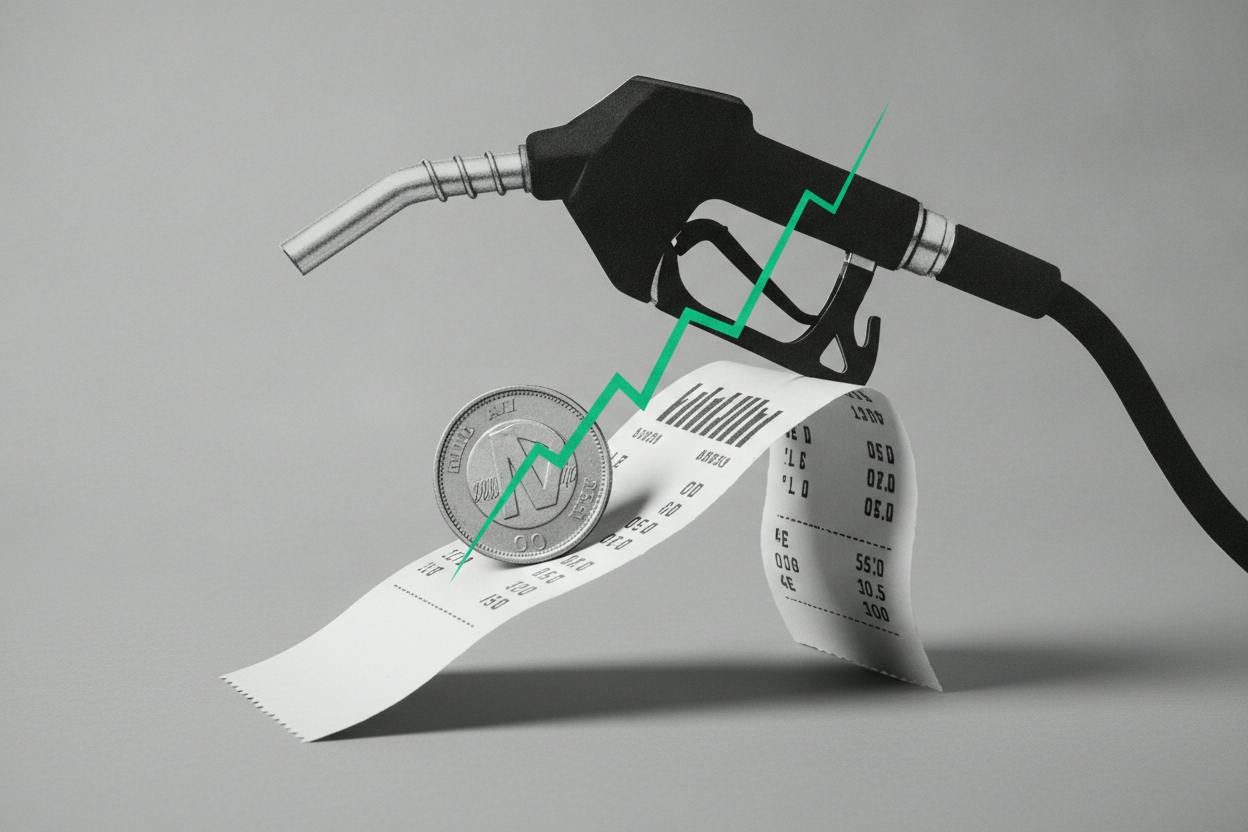
South Africa's rand slipped in early Monday trading as investors braced for a busy week of economic data and a fuel-price hike that could test the central bank's inflation resolve. The currency's modest decline came as traders awaited new purchasing managers' index (PMI) surveys and an expected jump in October petrol and diesel prices.
The move was part of a broader cautious tone in emerging markets, with many currencies struggling to find direction after last week's mixed signals from global markets. The rand's dip was relatively small, but it underscored the nervousness ahead of the data releases.
What's driving the rand lower?
The immediate catalyst is the upcoming PMI data, which measures business activity in the manufacturing and services sectors. These surveys are closely watched because they offer an early read on economic momentum. A stronger-than-expected reading could support the rand, while a weak number might add to selling pressure.
But the bigger story for South African consumers and investors is the fuel-price reset. With global oil prices having moved higher in recent weeks, analysts expect a notable increase in petrol and diesel prices when the government adjusts them in October. That would feed directly into inflation, which the South African Reserve Bank has been working to bring down.
Higher fuel costs ripple through the economy, raising transport and production costs for businesses and squeezing household budgets. For the central bank, a fuel-driven inflation spike could delay interest rate cuts, which would be a headwind for growth and for the rand.
Bond yields edge up
In the bond market, the yield on South Africa's 2035 government bond nudged up to 8.88%. Yields move inversely to prices, so the rise suggests investors were selling bonds, likely in anticipation of higher inflation or a more cautious central bank.
The 2035 bond is a benchmark for long-term borrowing costs in South Africa. A higher yield means the government must pay more to borrow, which can weigh on fiscal sustainability. For everyday investors, rising yields also mean that bond prices fall, which can hurt those holding bond funds or ETFs.
The move was relatively small, but it reflects the market's sensitivity to inflation expectations. If fuel prices push inflation higher, the central bank may keep interest rates elevated for longer, which would support the rand but could also slow economic growth.
What it means for investors
For South African investors, the key takeaway is that the fuel-price hike could complicate the inflation outlook. If inflation stays sticky, the Reserve Bank may hold off on cutting rates, which would keep borrowing costs high for consumers and businesses.
That could weigh on domestic stocks, particularly those in rate-sensitive sectors like retail and property. On the other hand, a weaker rand can benefit exporters, who earn revenue in dollars and other foreign currencies.
For international investors, the rand's movement is a barometer of risk appetite for emerging markets. A sustained slide could signal broader concerns about South Africa's fiscal position or global trade tensions. Conversely, if the PMI data surprises to the upside and fuel prices rise less than feared, the rand could recover.
The fuel-price reset is also a reminder of how global energy markets can affect local economies. As seen in other regions, coordinated releases of oil reserves can help ease crude prices, but the impact on pump prices is often delayed and uncertain.
Broader emerging market context
The rand's move comes amid a mixed picture for emerging market currencies. Some have benefited from a softer US dollar, as soft US jobs data lifted Latin American currencies, but others remain under pressure from domestic issues.
In South Africa, the focus is squarely on the data calendar. The PMI surveys will give a snapshot of business conditions, while the fuel-price announcement will set the tone for inflation expectations in the coming months.
Investors will also be watching the global equity market's reaction to recent economic data, as risk sentiment often spills over into emerging market currencies.
Looking ahead
The next few days will be crucial for the rand. If the PMI data comes in strong and the fuel-price increase is smaller than expected, the currency could regain some ground. But if inflation fears intensify, the rand may face further pressure.
For now, the market is in a wait-and-see mode. The fuel-price reset is a reminder that inflation is never fully tamed, and central banks must remain vigilant. For ordinary South Africans, the immediate impact will be felt at the pump, but the longer-term effects on interest rates and the economy will be more significant.
As always, investors should focus on diversification and long-term goals rather than reacting to short-term currency moves. The rand's slip is a normal part of emerging market volatility, and the fundamentals of the South African economy will ultimately determine its direction.