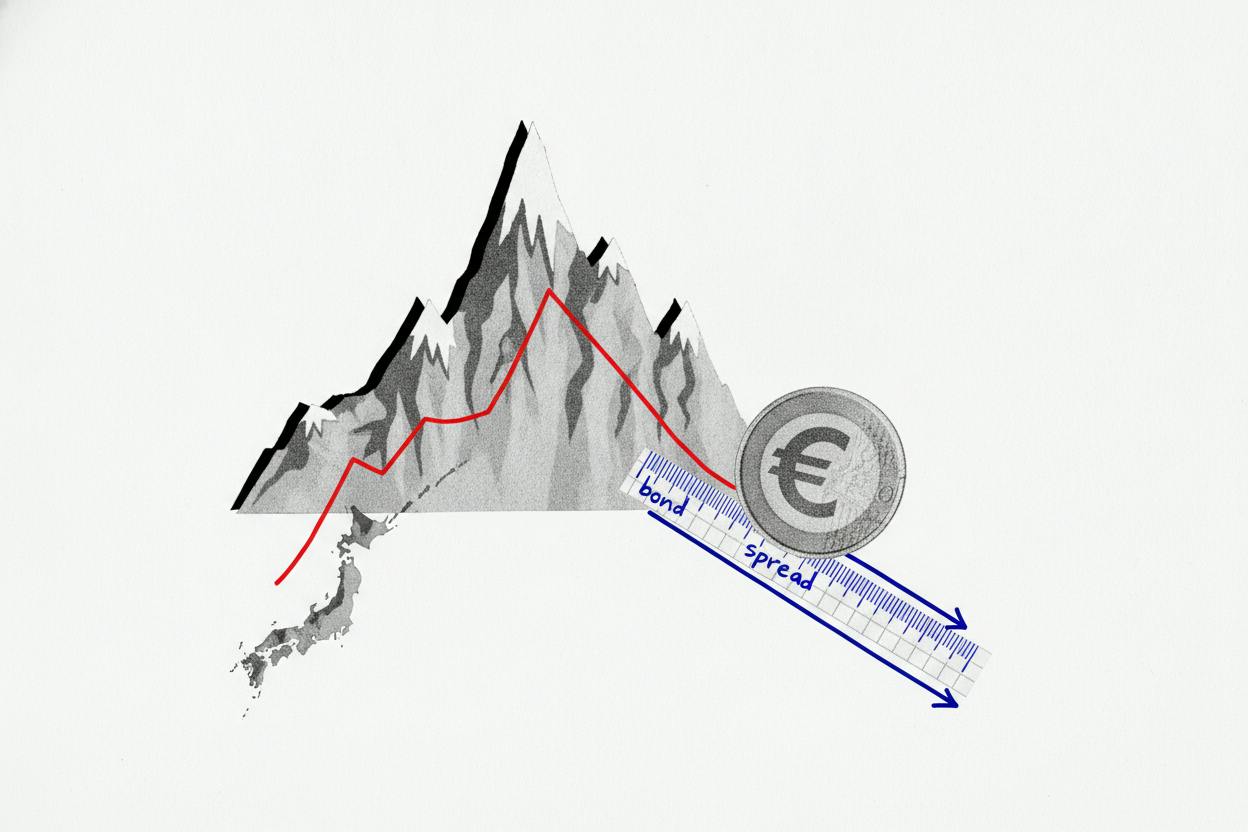
Japanese stocks rallied sharply on Tuesday, with the Nikkei index climbing 2.4%, as traders scaled back expectations that the US Federal Reserve will raise interest rates again this month. The move came as the euro slid to a 17-month low, weighed down by concerns over France's heavy debt burden and political instability.
The two moves may seem contradictory at first glance, but they are both driven by the same underlying shift in investor sentiment: a reassessment of how quickly global interest rates will rise. When traders believe the Fed will hold off on hiking, borrowing costs are expected to stay lower for longer, which tends to boost appetite for riskier assets like stocks.
Why Japan benefits from cooler Fed expectations
Japan's stock market often benefits when fears of aggressive US rate hikes fade. Many of the largest companies in the Nikkei are global exporters with extensive supply chains and significant overseas revenue. Lower US interest rates can translate into cheaper financing for these firms and stronger demand from consumers and businesses abroad.
Additionally, a less hawkish Fed can ease pressure on the yen, which had been under strain from the widening interest rate gap between the US and Japan. A weaker yen tends to make Japanese exports more competitive, providing a further tailwind for corporate earnings.
This is not the first time Japanese equities have rallied on such sentiment. Earlier this year, Asian stocks rallied as soft US jobs data cooled Fed hike bets, and the Nikkei has also been lifted by strength in technology and chip-related shares. In a similar vein, the Nikkei jumped 2.5% to a three-month high earlier, driven by AI chip stocks.
The euro's slide: France's debt and politics
On the other side of the globe, the euro dropped to its lowest level against the dollar in 17 months. The currency's weakness is largely attributed to France, the eurozone's second-largest economy, which is grappling with high public debt and political uncertainty.
Investors are worried about France's fiscal position, as the government faces pressure to control spending while also dealing with political gridlock. This has raised concerns about the country's ability to manage its debt load, which in turn casts a shadow over the broader eurozone economy.
The euro's decline has been a key factor in the dollar's strength. As the dollar neared a 17-month high, the euro's weakness has made US assets relatively more attractive, but it also reflects a divergence in economic fortunes between the US and Europe.
What it means for investors
For everyday investors, these moves highlight how interconnected global markets are. A shift in expectations about US monetary policy can ripple across continents, affecting everything from Japanese stocks to European currencies.
When the Fed is seen as less likely to hike, it can be a positive for equities, especially in export-oriented economies like Japan. However, it also signals that the Fed may be worried about economic weakness, which could eventually weigh on corporate profits.
For those with exposure to European assets, the euro's slide is a reminder of the risks posed by political and fiscal instability. Currency fluctuations can have a direct impact on the returns of international investments, so it's worth keeping an eye on these developments.
Investors will likely be watching for any further clues about the Fed's next move, as well as any news from France that could ease or worsen the political and debt concerns. As always, it's important to remember that market moves like these are normal, and a diversified portfolio can help weather the ups and downs.