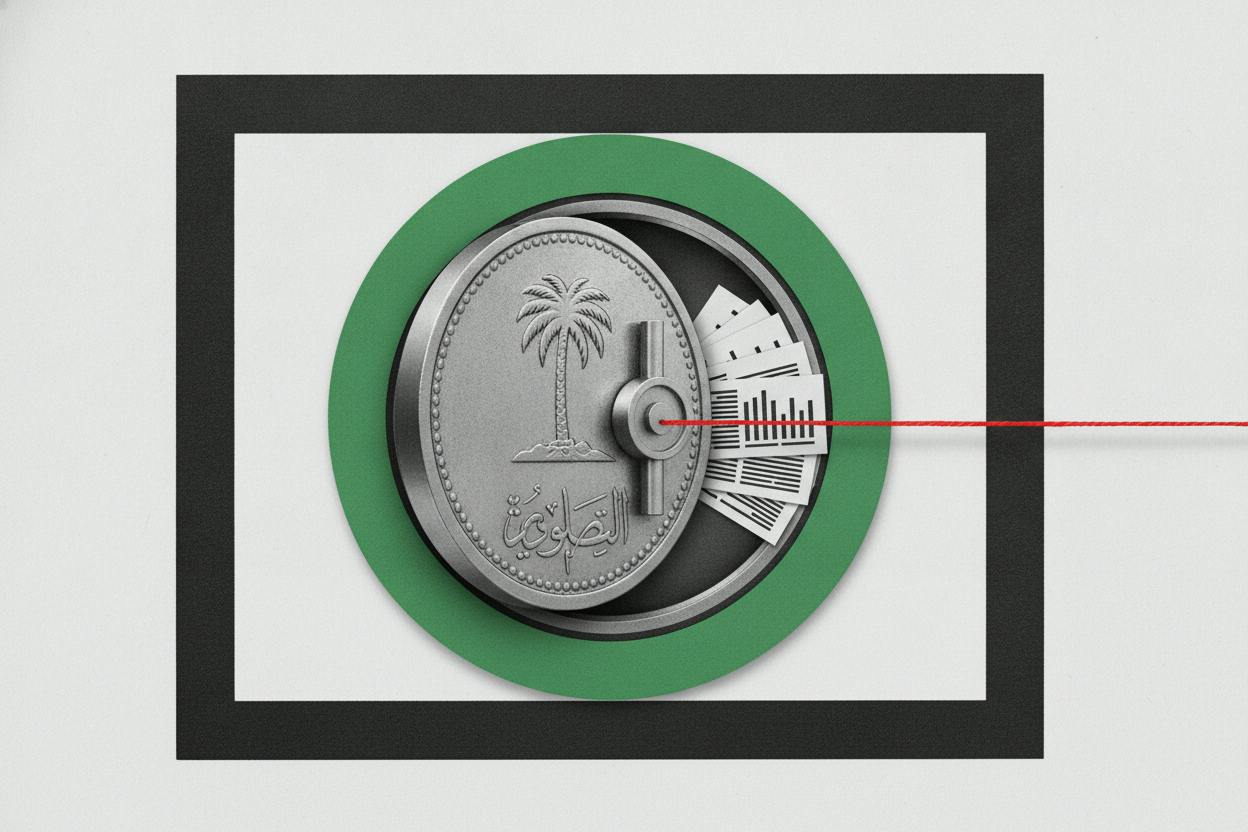
Stock markets in the Gulf edged higher on Tuesday, as investors took comfort from cooling expectations for a US interest rate hike and steady oil exports. Dubai, Abu Dhabi and Qatar all posted gains, while Saudi Arabia's main index slipped 0.7%.
The moves came as traders reassessed the likelihood of the Federal Reserve raising rates at its upcoming meeting. Softer US jobs data and downward revisions to payroll figures have made a hike this month look less likely. According to CME Group's FedWatch Tool, the implied probability of a rate hike has fallen to under 20%, down sharply from 64% just a few weeks ago.
That shift matters in the Gulf because several local currencies, including the UAE dirham and the Qatari riyal, are pegged to the US dollar. When US rates rise, dollar-pegged currencies often face upward pressure on local borrowing costs, which can weigh on stock valuations. Conversely, when rate hike expectations cool, that pressure eases, giving equities room to breathe.
Why oil matters
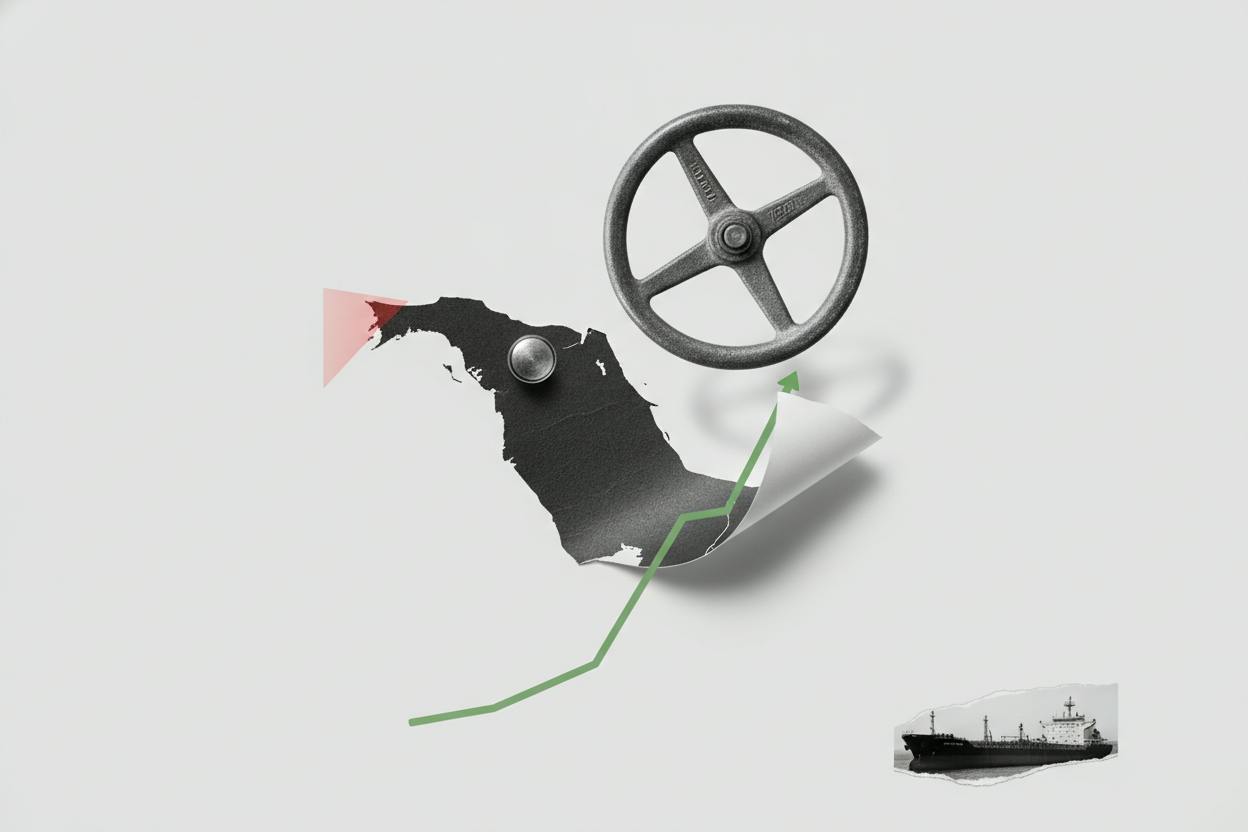
Steady crude exports also helped sentiment. Oil is the lifeblood of the Gulf economies, and stable shipments reassure investors that government revenues and corporate earnings remain on solid footing. While regional tensions persist, the market's focus has been on the macro picture rather than geopolitics.
The Gulf's reliance on oil means that any disruption to supply or demand can quickly move local markets. For now, traders appear to be looking past the headlines and focusing on the fundamentals: a resilient oil market and a less aggressive Fed.
What it means for investors
For everyday investors, the key takeaway is that Gulf stocks are sensitive to US monetary policy. When the Fed signals it may pause or slow its rate hikes, that tends to be positive for risk assets globally, including in the Gulf. The recent drop in hike odds has provided a tailwind for regional bourses.
However, the divergence between Saudi Arabia and its neighbours is worth noting. While Dubai, Abu Dhabi and Qatar rose, Saudi's index fell. This could reflect local factors, such as profit-taking or sector-specific news, rather than a broad shift in sentiment.
Investors should also keep an eye on the broader trend of traders betting on a Fed pause. If the Fed does hold rates steady, it could support further gains in Gulf equities, especially in rate-sensitive sectors like real estate and banking.
But the picture is not without risks. If inflation proves stickier than expected, the Fed could still hike later in the year, which would likely put pressure on Gulf markets again. The recent moves in commodities suggest that traders are increasingly pricing in a less aggressive Fed, but that view could change quickly with new data.
For now, the Gulf markets are enjoying a respite from rate fears, but investors should remain cautious. The path of US monetary policy remains the single biggest driver for these markets, and any surprise could reverse the current gains.
Looking ahead
Investors will be watching upcoming US economic data, particularly inflation figures, for clues about the Fed's next move. A softer inflation print would likely reinforce the view that the Fed is done hiking, which could give Gulf stocks another boost. On the other hand, a hot number could reignite fears and trigger a sell-off.
In the meantime, the steady flow of oil exports provides a solid backdrop for the region's economies. As long as crude remains stable and the Fed stays on hold, Gulf equities could continue to grind higher.
For those with exposure to Gulf markets, the key is to stay diversified and not overreact to short-term swings. The recent gains are encouraging, but they are built on a fragile foundation of expectations that could shift at any moment.