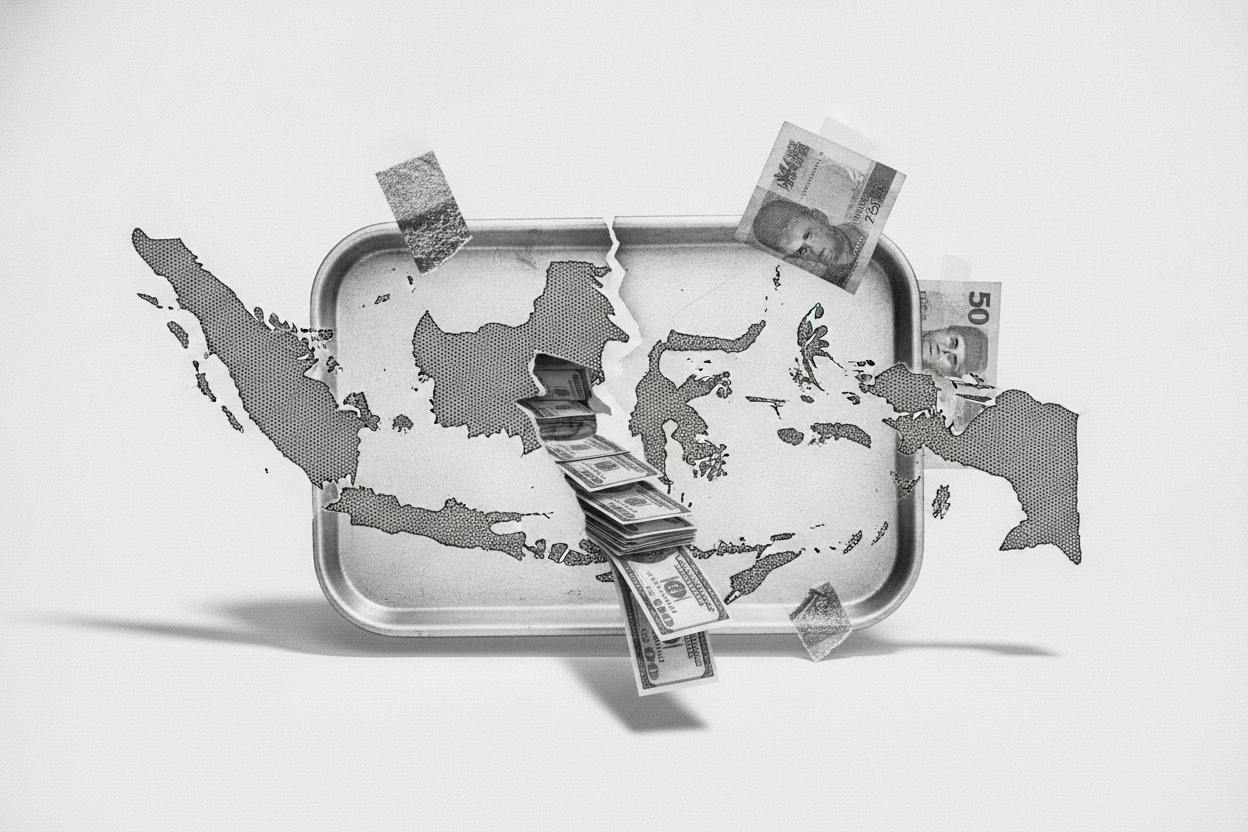
Indonesia is considering a significant exception to its currency rules for the upcoming ICOMEX commodity exchange. Regulators are weighing whether trades on the new platform can be settled in US dollars as well as the local currency, the rupiah, even though domestic transactions are generally required to be in rupiah.
Sarjito, a supervisor at Indonesia's Financial Services Authority (OJK), said officials are in discussions with Bank Indonesia and other agencies about allowing ICOMEX trades to be settled "not only in rupiah but also other currencies such as the US dollar." The exchange is slated to launch on January 4, 2027, and regulators are also debating whether participation will be mandatory.
Why settlement currency matters
The choice of settlement currency is more than a technical detail. ICOMEX is designed to consolidate more of Indonesia's commodity trading into a single, regulated venue. That would give authorities better visibility into trade flows and potentially help them steer how export proceeds are handled.
Indonesia is a major exporter of commodities such as coal, palm oil, and nickel. Currently, much of this trading happens overseas or through less transparent channels. By creating a domestic exchange, the government hopes to capture more of the economic value and improve oversight.
Allowing US dollar settlements could make ICOMEX more attractive to international traders, who are accustomed to dealing in dollars. It could also reduce currency conversion costs and risks for foreign participants. However, it would mark a departure from the rupiah-only rule, which is intended to support the national currency and maintain monetary stability.
The debate comes as Indonesia has been working to strengthen its financial infrastructure. For example, the country's DSI has piloted a platform to track commodity exports, a step toward greater transparency in the sector.
What it means for investors
For everyday investors, the development is a signal that Indonesia is serious about modernizing its commodity markets. A successful ICOMEX could attract more foreign investment and improve pricing efficiency for Indonesian commodities.
If dollar settlement is allowed, it could make the exchange more competitive globally, potentially increasing trading volumes and liquidity. That could benefit companies listed on Indonesian exchanges that are active in commodities, as well as the broader economy.
However, there are also risks. A dual-currency system could complicate monetary policy and create arbitrage opportunities. Bank Indonesia will need to balance the benefits of attracting foreign traders with the need to maintain control over the rupiah.
The mandatory participation question is also key. If the government requires certain commodity exporters to trade on ICOMEX, it could reshape how those businesses operate. That could have implications for their costs and profitability.
Investors should watch for further announcements from OJK and Bank Indonesia as the launch date approaches. The decisions made in the coming months will determine how ICOMEX functions and whether it becomes a major player in global commodity trading.
In the meantime, the broader trend of commodity prices ticking up adds context to Indonesia's push to capture more of the value chain. As prices fluctuate, having a robust domestic exchange could help Indonesian producers and traders manage risk more effectively.
For now, the rupiah-only rule remains in place, but the fact that regulators are openly discussing exceptions shows a willingness to adapt. That flexibility could be a positive sign for the future of ICOMEX and for investors looking to gain exposure to Indonesian commodities.