US stock futures slipped about 0.2% in premarket trading on Wednesday as investors adopted a cautious stance ahead of the release of minutes from the Federal Reserve's September policy meeting. The readout, due later in the day, is expected to provide fresh clues on the central bank's thinking about the path of interest rates.
The modest decline in futures pointed to a soft open for Wall Street, with the S&P 500, Dow Jones Industrial Average, and Nasdaq all set to give back some of the previous session's gains. The move comes as traders position themselves for potential volatility around the Fed's communication.
Why the minutes matter
The minutes are a detailed account of the discussions that took place during the Fed's September meeting, where policymakers decided to hold interest rates steady. While the decision itself was widely expected, the minutes can reveal the degree of consensus or dissent among officials, as well as the factors that influenced their thinking.
For investors, the key question is whether the Fed is truly done with its tightening cycle or if another rate hike is still on the table. Recent economic data, including a slowdown in job growth, has bolstered the case for a pause. According to the CME FedWatch tool, traders currently see roughly an 80% chance that the Fed holds rates steady at its next meeting.
However, the minutes could shift those odds. If they strike a more hawkish tone—suggesting policymakers are still inclined to raise rates further—traders could quickly reprice expectations for upcoming meetings. Conversely, a more dovish readout, indicating a growing willingness to stop hiking, could support risk assets.
Market backdrop
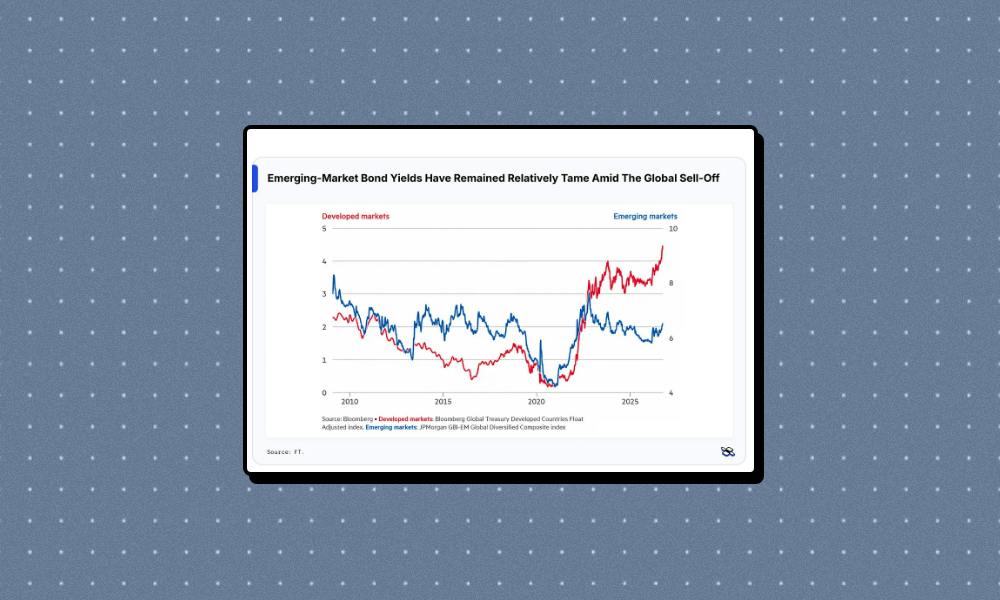
The premarket dip comes amid a broader environment of elevated Treasury yields, which recently touched levels not seen since 2002. Higher yields tend to weigh on stocks, particularly growth and technology shares, by making future earnings less attractive and increasing the cost of borrowing.
Investors have also been monitoring the oil market, where prices have remained relatively steady, and global equity markets have shown mixed reactions to the latest US jobs data. In Asia, stocks have rallied on hopes that softer labor market figures would keep the Fed from raising rates further, as seen in recent sessions.
The Fed's next policy decision is scheduled for early November, and the minutes will be scrutinized for any hints about the likely outcome. Beyond the minutes, investors will also be watching upcoming inflation data and corporate earnings for additional direction.
What it means for investors
For everyday investors, the key takeaway is that interest rates remain the dominant driver of market sentiment. When the Fed signals a pause, stocks often get a boost because it suggests borrowing costs won't rise further, which can support corporate profits and consumer spending. On the other hand, any hint of more hikes can trigger sell-offs, especially in rate-sensitive sectors like technology and real estate.
The minutes are a reminder that the Fed's decisions are not made in a vacuum. Policymakers are balancing the need to control inflation against the risk of slowing the economy too much. Recent data showing softer job growth has given the Fed room to hold off on further hikes, but inflation remains above the central bank's 2% target.
Investors should also be aware that market expectations can shift quickly. The CME FedWatch tool, which uses futures pricing to estimate the probability of rate moves, is a useful gauge, but it is not a crystal ball. The minutes could cause those probabilities to move, leading to volatility in stocks, bonds, and currencies.
For those with a long-term perspective, the current uncertainty around rates underscores the importance of diversification. While cash and short-term bonds offer attractive yields right now, equities have historically provided stronger returns over the long run, albeit with more volatility. Staying invested and avoiding knee-jerk reactions to Fed headlines is often a sound strategy.
As the day progresses, investors will be watching the futures market for any signs of a more pronounced move. The release of the minutes at 2:00 p.m. ET is the main event, and traders will be parsing the language for any changes in tone compared to the official statement.
In the meantime, the modest premarket decline suggests that investors are not willing to take on too much risk ahead of the release. Whether the minutes provide clarity or add to the uncertainty, one thing is certain: the Fed's next move will continue to shape market direction in the weeks ahead.