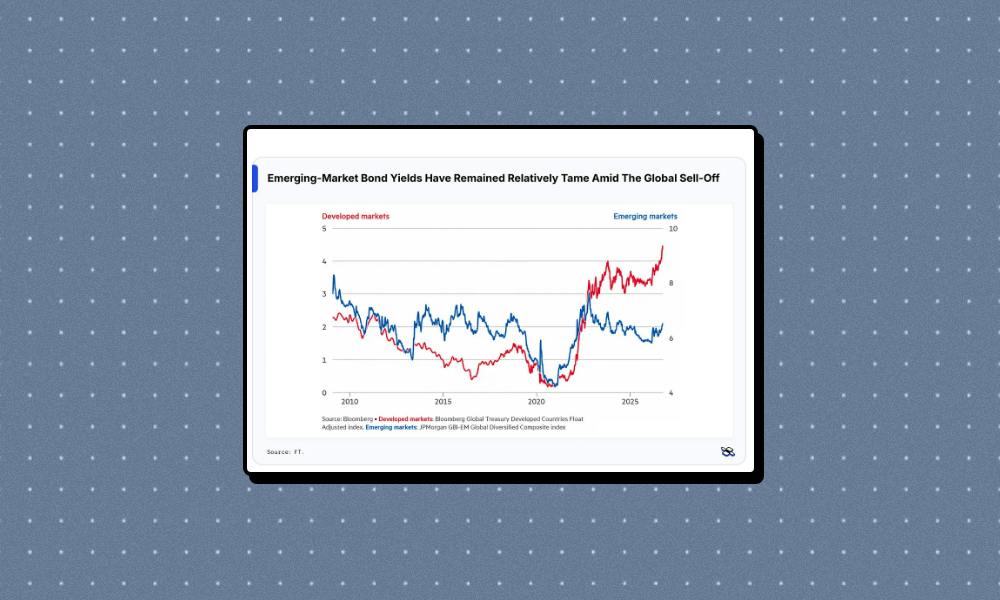
US stocks are starting a relatively quiet week, but one variable is making noise: long-term Treasury yields are hovering near levels not seen since 2002. With a thin calendar of economic data and corporate earnings, investors are focusing on the bond market and on oil's reaction to fresh conflict headlines out of Yemen.
Why yields matter for stocks
Treasury yields represent the return investors earn for lending to the US government. When yields rise, they often pull money away from stocks, because bonds become more attractive relative to equities. But the effect goes deeper: higher yields also raise the "discount rate" used to value future corporate profits. In simple terms, a dollar of profit earned years from now is worth less today when interest rates are higher. That can pressure stock prices even if company earnings forecasts haven't changed.
What's notable this time is that yields have stayed elevated despite some softer signals on the economy and inflation. The September jobs report came in weaker than expected, prior months were revised down, and a key August reading of the Federal Reserve's preferred inflation gauge was soft. Normally, such data might push yields lower, as they suggest less need for aggressive rate hikes. Instead, long-term yields remain near multi-decade highs, a sign that investors are demanding more compensation for holding longer-dated debt.
Oil and geopolitics in focus
Alongside the bond market, traders are keeping an eye on crude oil. Fresh conflict headlines from Yemen have raised the possibility of supply disruptions, which could push oil prices higher. Higher oil prices feed into inflation, which in turn can influence central bank policy. For investors, that creates a tricky feedback loop: if oil spikes, inflation expectations could rise, potentially keeping yields high and adding more pressure on stocks.
The situation in Yemen is the latest reminder of how geopolitical events can ripple through financial markets. While the direct impact on US corporate earnings may be limited, the indirect effects—through energy prices and inflation—can be significant.
What it means for investors
For everyday investors, the key takeaway is that the bond market is currently a major driver of stock market moves. When yields are high and rising, it's often a headwind for equities, particularly for growth stocks that rely on future earnings. Companies in sectors like technology and consumer discretionary tend to be more sensitive to yield changes because a larger portion of their value is tied to profits expected far in the future.
That doesn't mean stocks are doomed, but it does suggest that investors should be prepared for continued volatility. The fact that yields have stayed high despite soft economic data is unusual and bears watching. If yields continue to climb, it could signal that the market is worried about something beyond near-term inflation—perhaps concerns about the US government's fiscal path or the sheer volume of Treasury issuance.
On the other hand, if yields start to ease, that could provide a tailwind for stocks. Recent sessions have shown how sensitive markets are to yield movements, with equities often rallying when bond yields dip. For example, Treasury yields eased recently as oil slipped and central banks held steady, giving stocks some breathing room.
Looking ahead
With only a handful of data points and earnings reports on the calendar this week, the market's direction may hinge on the bond market and oil headlines. Investors will be parsing any comments from Federal Reserve officials for clues about the path of interest rates. The central bank has signaled it may keep rates higher for longer, but softer economic data has led some to bet on rate cuts next year. Those expectations have been cooled by the recent jobs report, which showed a weaker labor market.
For those with a longer-term perspective, the current environment underscores the importance of diversification. Bonds, which have often served as a safe haven, are now offering yields that can compete with stocks, but they also carry their own risks. Meanwhile, central bankers have defended gold's role as a reserve asset, even as yields remain high, highlighting the ongoing search for stability.
Ultimately, this week's quiet calendar could be a lull before more action. Investors should keep an eye on yield levels and oil prices, as they are likely to remain the primary drivers of market sentiment in the near term.