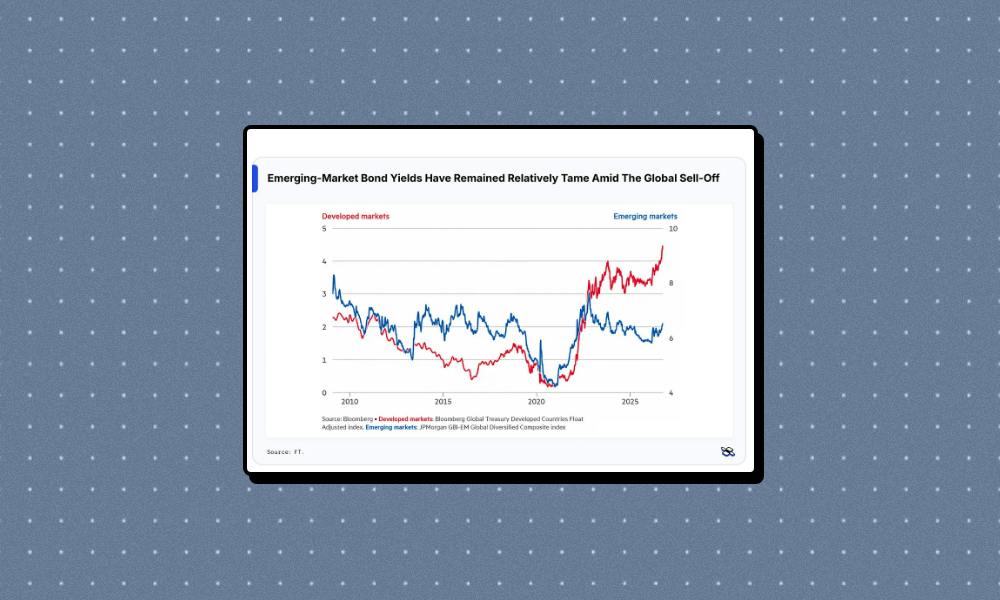
Early Asian trading saw a dip in Treasury yields as oil prices slipped and major central banks signaled they are in no hurry to adjust policy. Brent crude moved toward $101.6 a barrel, while the euro touched its lowest level since May 2025. These moves come as investors weigh the interplay between energy costs, inflation expectations, and the path of interest rates.
Why oil matters for bond yields
When oil prices fall, investors often assume that headline inflation will cool in the near term. That's because energy is a major component of consumer price indexes, and cheaper oil can ease the pressure on everything from gasoline to shipping costs. As a result, bond investors may demand less extra yield to compensate for future inflation, which pushes bond prices up and yields down.
This dynamic helps explain why longer-dated US Treasuries eased as Brent moved lower. Even with OPEC+ leaving its November output ranges unchanged, the market's focus was on the potential for softer inflation. The oil market's resilience above $100 has been a key driver of inflation concerns, so any pullback is closely watched.
Central banks stay patient
Federal Reserve officials have recently signaled that more time is needed before any policy changes. This patient stance is echoed by other major central banks, which are balancing the need to curb inflation against the risk of slowing growth. The upcoming data releases in Asia will be crucial in shaping their next moves.
The euro's slide to its lowest level since May 2025 reflects growing expectations that the European Central Bank may keep rates higher for longer, or that the region's economy is facing headwinds. A weaker euro can make European exports more competitive, but it also raises the cost of imported goods, including energy.
What it means for investors
For everyday investors, the dip in Treasury yields is a reminder that bond prices and yields move inversely. When yields fall, existing bonds with higher coupon rates become more valuable. This can provide a cushion in a diversified portfolio, especially if stock markets turn volatile.
However, the broader picture remains uncertain. Central banks are walking a tightrope, and any surprise in inflation or economic data could shift expectations quickly. The recent jobs report showed a mixed picture, and investors are watching for further clues.
Oil prices are also a wildcard. While a dip to $101.6 is notable, prices remain elevated by historical standards. Geopolitical tensions and supply disruptions could easily push them higher again, reigniting inflation fears. The role of gold as a reserve asset has been a topic of discussion among central banks, highlighting the ongoing search for stability.
Looking ahead
Investors will be watching several key indicators in the coming days. The PMI data and fuel price changes in emerging markets could offer clues about global demand. In Asia, stock markets have been mixed, with property and banking sectors weighing on sentiment.
The Australian market's recent gains after the RBA's rate decision show that central bank actions continue to drive market moves. Similarly, the S&P 500's weekly decline despite a jobs-driven bounce underscores the market's sensitivity to economic data.
For now, the combination of lower oil and patient central banks offers some relief to bond investors. But the path ahead is far from clear. As always, diversification and a long-term perspective remain key strategies for navigating these uncertain times.