Stocks started the week on a firmer footing after a cooler-than-expected September jobs report led traders to scale back expectations for another Federal Reserve rate hike this month. The shift in sentiment helped lift risk assets and took some pressure off government bonds.
What the jobs data showed
The September employment report, released last Friday, showed hiring cooled and that job growth in earlier months was revised lower. That combination nudged markets toward the view that the Fed can afford to pause its aggressive rate-hiking campaign without risking a fresh flare-up in inflation.
According to the CME FedWatch tool, which tracks market expectations for central bank policy, traders now see just a 22% chance of a rate hike at the Fed's October meeting. A week earlier, that probability stood at 64%. The sharp drop reflects a rapid repricing of monetary policy expectations in response to the softer labor market data.
The reaction was immediate: stock indexes moved higher, and yields on longer-dated government bonds eased as investors grew more confident that the Fed's next move might be a pause rather than another increase.
Why a pause matters for investors
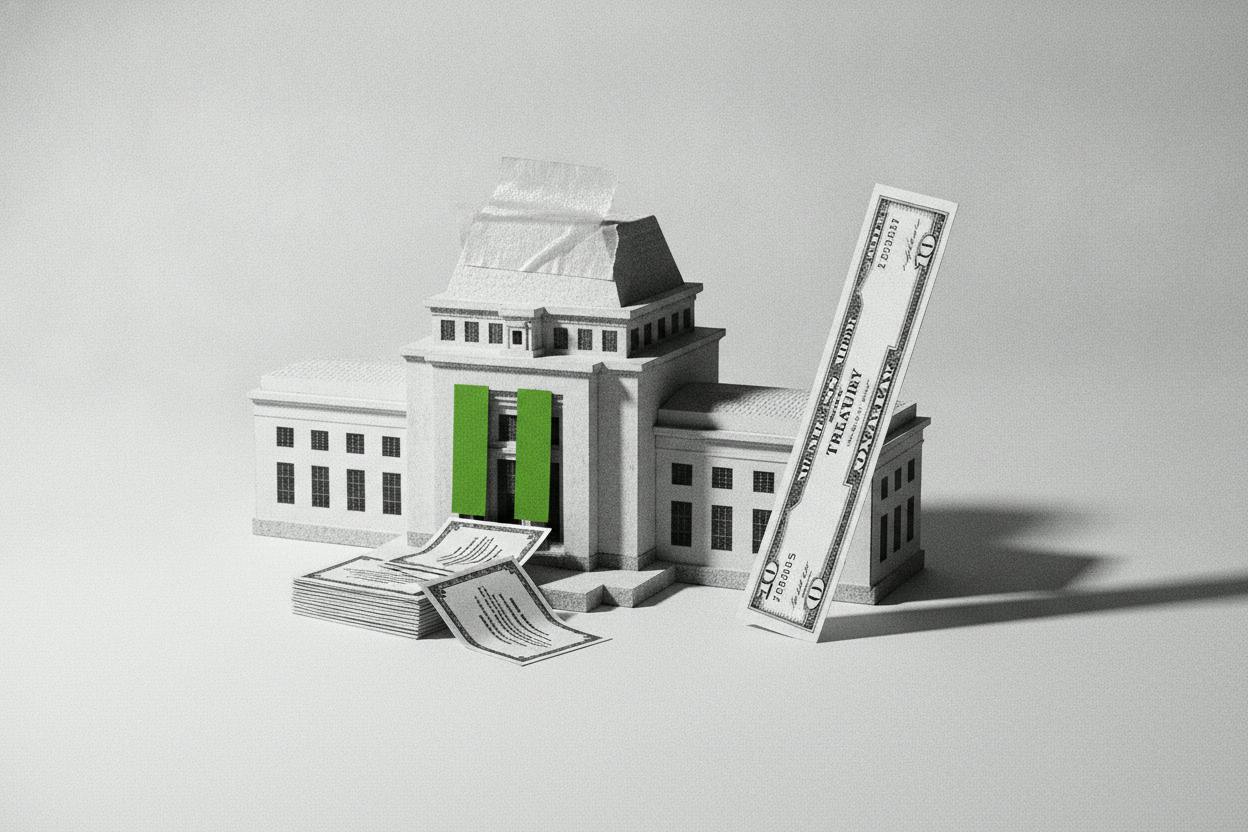
A Fed pause would mark a significant turning point after more than a year of aggressive rate increases. Higher interest rates raise borrowing costs for companies and consumers, which can slow economic growth and weigh on corporate profits. When investors believe the Fed is done hiking, they often become more willing to buy stocks and other riskier assets.
But a pause does not automatically mean lower long-term borrowing costs. The 10-year Treasury yield, a benchmark for mortgages and corporate debt, remains elevated compared with levels seen earlier in the year. Even if the Fed stops raising its short-term policy rate, long-term yields are influenced by other factors, including inflation expectations, the supply of government debt, and the overall health of the economy.
Indeed, corporate bond prices have slid recently as companies ramp up borrowing, even as the labor market cools. That suggests credit markets are still pricing in some risk, even if the immediate threat of another Fed hike has faded.
What to watch next
Investors will now turn their attention to upcoming economic data and comments from Fed officials for clues about the path ahead. If inflation continues to moderate and the labor market keeps cooling, the case for a prolonged pause will strengthen. Conversely, any signs that price pressures are reaccelerating could revive expectations for further hikes.
The September jobs report was the latest in a series of data points suggesting the economy is slowing, but not collapsing. That has helped fuel a rally in stocks on hopes of rate cuts further down the line, though most analysts caution that cuts are not imminent.
For everyday investors, the key takeaway is that market expectations can shift quickly. The drop in hike odds from 64% to 22% in just one week shows how sensitive markets are to economic data. While a pause would be welcome news for borrowers and stock investors, it does not guarantee smooth sailing ahead. Long-term yields remain a wildcard, and the Fed has repeatedly stressed that its decisions will depend on incoming data.
As always, it's wise to focus on your own financial goals and time horizon rather than trying to time the market based on the latest headline. A diversified portfolio that matches your risk tolerance remains a solid approach, whether the Fed hikes, pauses, or eventually cuts rates.