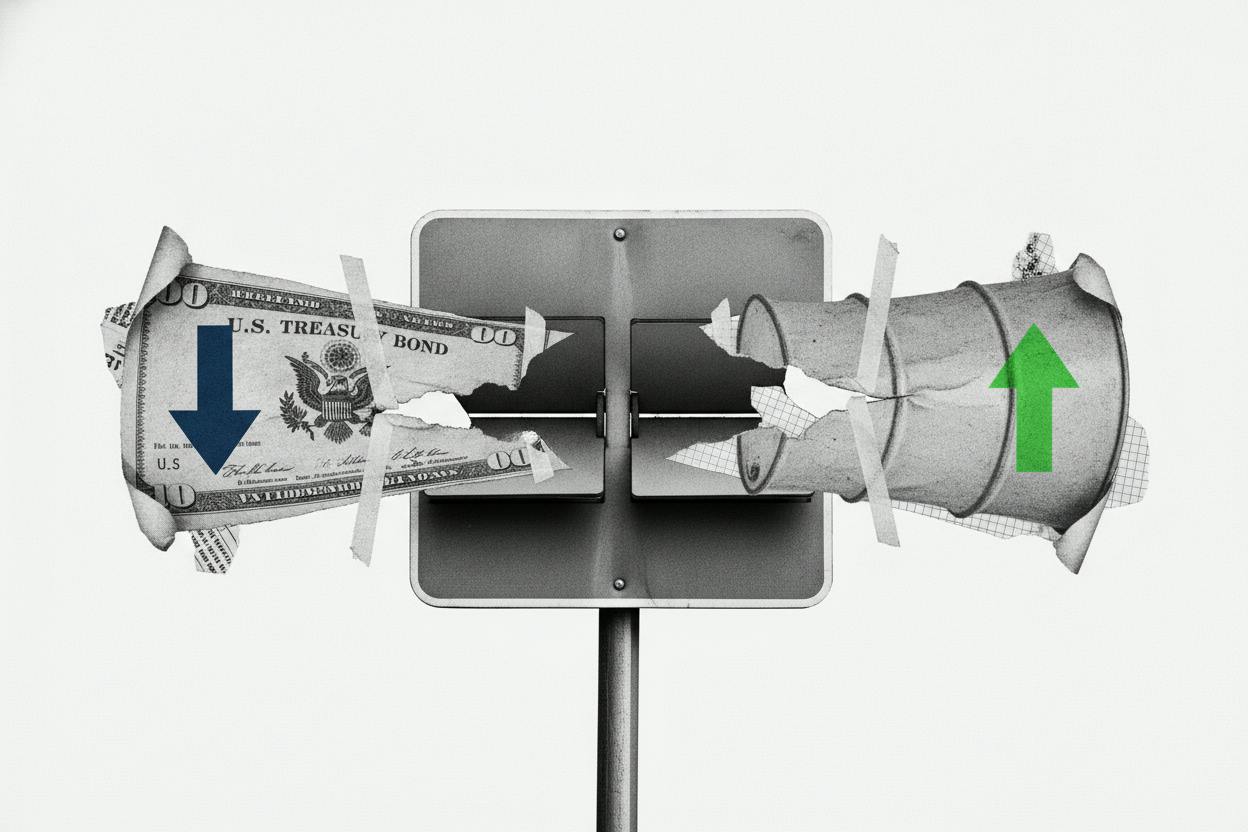
September delivered a sharp divergence among hedge funds, according to Goldman Sachs data. The bank's fundamental long-short equity funds—those run by human stock pickers—slipped 0.55% during the month. In contrast, systematic funds, which rely on computer models and trend-following algorithms, jumped 3.46%.
The gap highlights how different investment styles respond to the same market conditions. In September, the driving forces were higher US Treasury yields, more expensive oil, and a choppy environment for AI-related stocks. These factors created clear momentum in some assets, which suited systematic strategies, while making life harder for discretionary managers who bet on individual company fundamentals.
What drove the split?
Rising Treasury yields typically pressure growth and technology stocks, as higher discount rates reduce the present value of future earnings. Oil prices climbing added to inflation concerns, which can also push yields higher. For systematic funds, these trends were a gift: their models are designed to ride sustained moves in either direction, whether in bonds, commodities, or equities.
Fundamental long-short funds, on the other hand, rely on human judgment to pick winners and losers. When the market's leadership shifts quickly—as it did with AI trades—these managers can find their positions out of step. The brief notes that "choppy AI trade" leadership made discretionary positioning tougher. This suggests that while AI-related stocks remained a focus, their direction was not clear-cut, leading to whipsaw for stock pickers.
Goldman Sachs, a major investment bank, tracks these fund categories as a barometer of hedge fund performance. The data reflects a broader trend: in periods of strong directional moves, systematic strategies often outperform, while fundamental managers may lag until volatility settles.
What it means for investors
For everyday investors, this divergence is a reminder that hedge fund performance is not monolithic. Different strategies thrive in different environments. When markets are driven by macro forces like interest rates and commodity prices, trend-following models can shine. When stock selection matters more, fundamental managers may have the edge.
The September numbers also underscore the influence of macro factors on portfolios. Higher yields and oil prices can ripple through markets, affecting everything from tech stocks to consumer discretionary names. Investors with diversified portfolios may see similar effects, even if they don't trade hedge fund strategies.
It's worth noting that a single month's performance doesn't define a strategy's long-term viability. Fundamental managers have historically delivered strong returns in calmer, stock-picking environments. Systematic funds, meanwhile, can suffer during sharp reversals. The key is understanding that both approaches carry risks and rewards.
Broader market context
The September moves come against a backdrop of mixed economic signals. For instance, September US jobs data missed forecasts, which could cool expectations for further rate hikes. That might ease some pressure on yields, though oil prices remain a wildcard. Meanwhile, commodity prices ticked up in September, adding to inflation concerns.
In the tech sector, Tesla deliveries beat estimates while Nike warned on revenue, illustrating the uneven performance among consumer and tech names. Such divergence can create opportunities for stock pickers, but also adds to the choppiness that challenged fundamental funds last month.
Looking ahead, investors will watch whether the trends that favored systematic funds persist. If yields and oil continue to climb, trend-following models may keep outperforming. If markets stabilize and stock selection becomes more rewarding, fundamental managers could regain their footing.
For now, the September data serves as a useful case study in how different investment styles react to the same market forces. It's a reminder that there's no single "hedge fund" performance—only a spectrum of strategies, each with its own strengths and vulnerabilities.