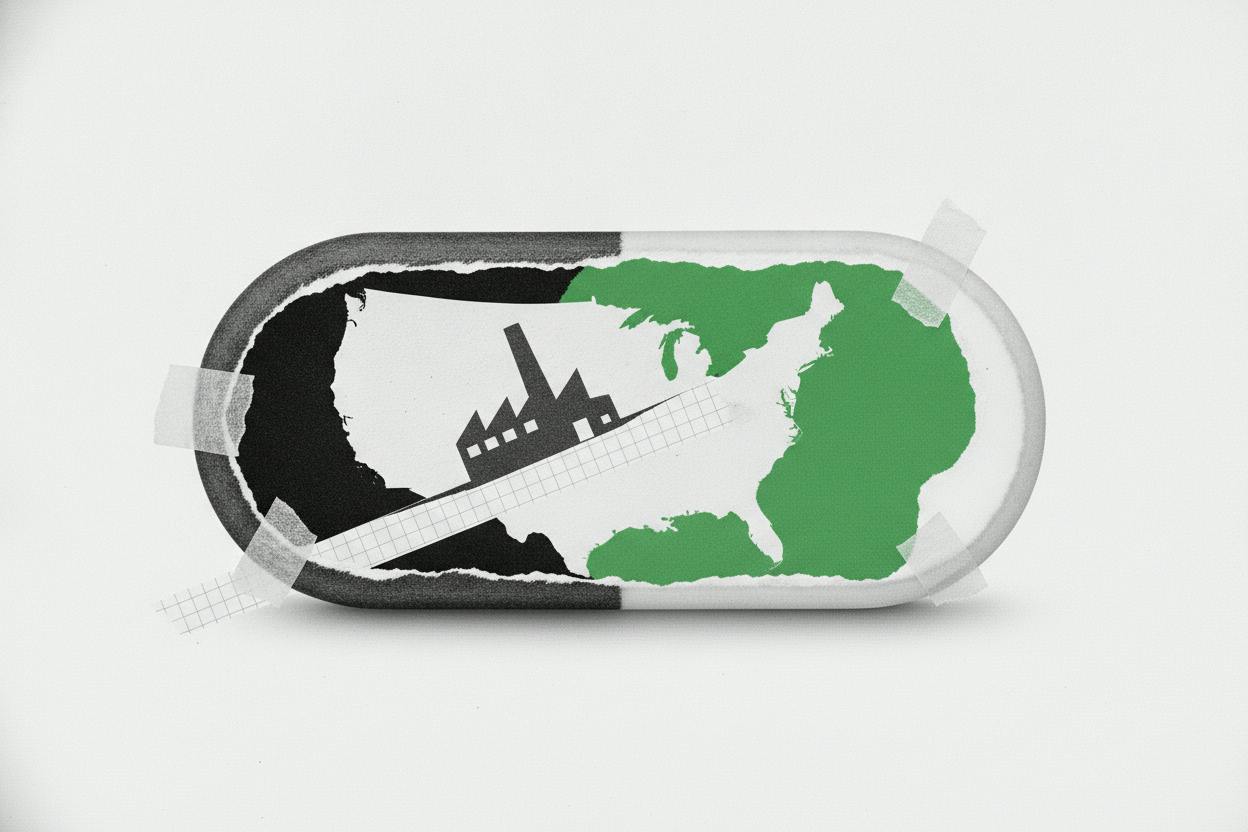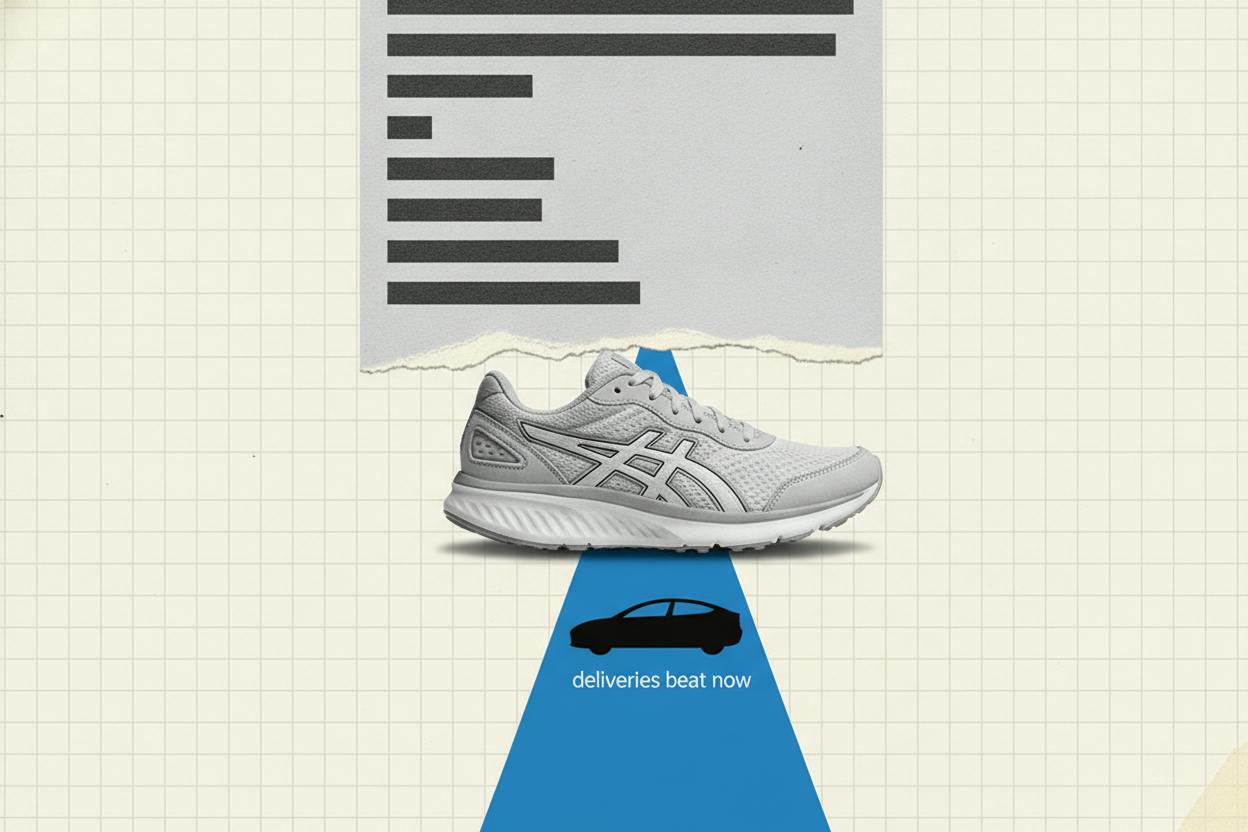
US consumer stocks delivered a tale of two cities on Friday, as Tesla surged on strong quarterly deliveries and Nike tumbled after warning of a revenue decline next fiscal year. The divergence left sector trackers mixed, with discretionary spending names outperforming their more defensive counterparts.
What happened
Tesla shares climbed 5% after the electric-vehicle maker reported third-quarter vehicle deliveries that beat Wall Street estimates. The news came as a relief to investors who had braced for softer demand, especially in the US and China. Tesla's ability to exceed expectations, helped by strength in Europe, underscored the company's resilience in a competitive EV market.
Nike, by contrast, fell 5.2% after the sportswear giant warned that its fiscal 2027 revenue could decline. The company's cautious outlook suggests ongoing challenges in consumer demand, inventory management, and competitive pressures. For a company of Nike's size, a revenue warning is a significant signal that the road ahead may be bumpier than expected.
Why it matters
The split between Tesla and Nike reflects a broader theme in the consumer sector: investors are rewarding companies with clear growth narratives while punishing those with weak near-term prospects. Tesla's delivery beat is a tangible sign of operational strength, but the stock's move also reflects growing excitement about the company's AI-related ambitions. As Tesla pushes beyond cars into areas like autonomous driving and robotics, its valuation increasingly hinges on long-term projects that could open new profit pools. That makes the shares more sensitive to shifts in sentiment about big, transformative bets.
Nike's warning, meanwhile, highlights the challenges facing traditional consumer brands. With inflation still squeezing household budgets, many shoppers are being more selective about discretionary purchases. Nike's guidance suggests that even a dominant brand isn't immune to these pressures.
What it means for investors
For everyday investors, the contrasting moves offer a lesson in how different types of consumer stocks respond to the same economic backdrop. Discretionary stocks—companies selling non-essential goods like cars, clothing, and electronics—tend to be more sensitive to economic cycles. When consumers feel confident, they spend; when they don't, they cut back. Staples, like food and household products, are more resilient but offer less growth potential.
On Friday, the State Street Consumer Discretionary Select Sector SPDR Fund rose 1.2%, while the Consumer Staples Select Sector SPDR Fund was only slightly higher. That gap shows that investors are currently favoring growth-oriented consumer names over defensive ones, a sign of optimism about the economy's direction.
However, it's important to remember that single-day moves can be driven by short-term factors. Tesla's delivery beat is a positive, but the stock's valuation already reflects high expectations for its AI ventures. Nike's warning, on the other hand, may be a temporary setback or a sign of deeper issues. Investors should look beyond the headlines and consider the long-term fundamentals of any company they own or are considering.
Broader market context
The consumer sector's mixed performance comes amid a broader market that has been buoyed by hopes of interest rate cuts. Recent soft jobs data has fueled expectations that the Federal Reserve may ease monetary policy, which could support consumer spending. Lower rates typically reduce borrowing costs for big-ticket items like cars and homes, potentially benefiting discretionary companies.
At the same time, inflation in Europe remains elevated, which could weigh on global consumer confidence. For companies like Tesla and Nike that rely heavily on international sales, these macro factors are crucial to watch.
What to watch next
Investors will be keeping an eye on Tesla's upcoming earnings report for more details on margins and the progress of its AI initiatives. The company's delivery numbers are a key metric, but profitability and cash flow will be just as important. For Nike, the focus will be on its next earnings call and any updates on its turnaround plans. The company's ability to manage inventory and reignite demand will be critical to reversing the revenue decline it has flagged.
In the meantime, the divergence between Tesla and Nike serves as a reminder that not all consumer stocks move in lockstep. Understanding the drivers behind each company's performance—whether it's innovation, brand strength, or economic sensitivity—can help investors make more informed decisions.
This article is for informational purposes only and does not constitute financial advice. Always do your own research before making investment decisions.