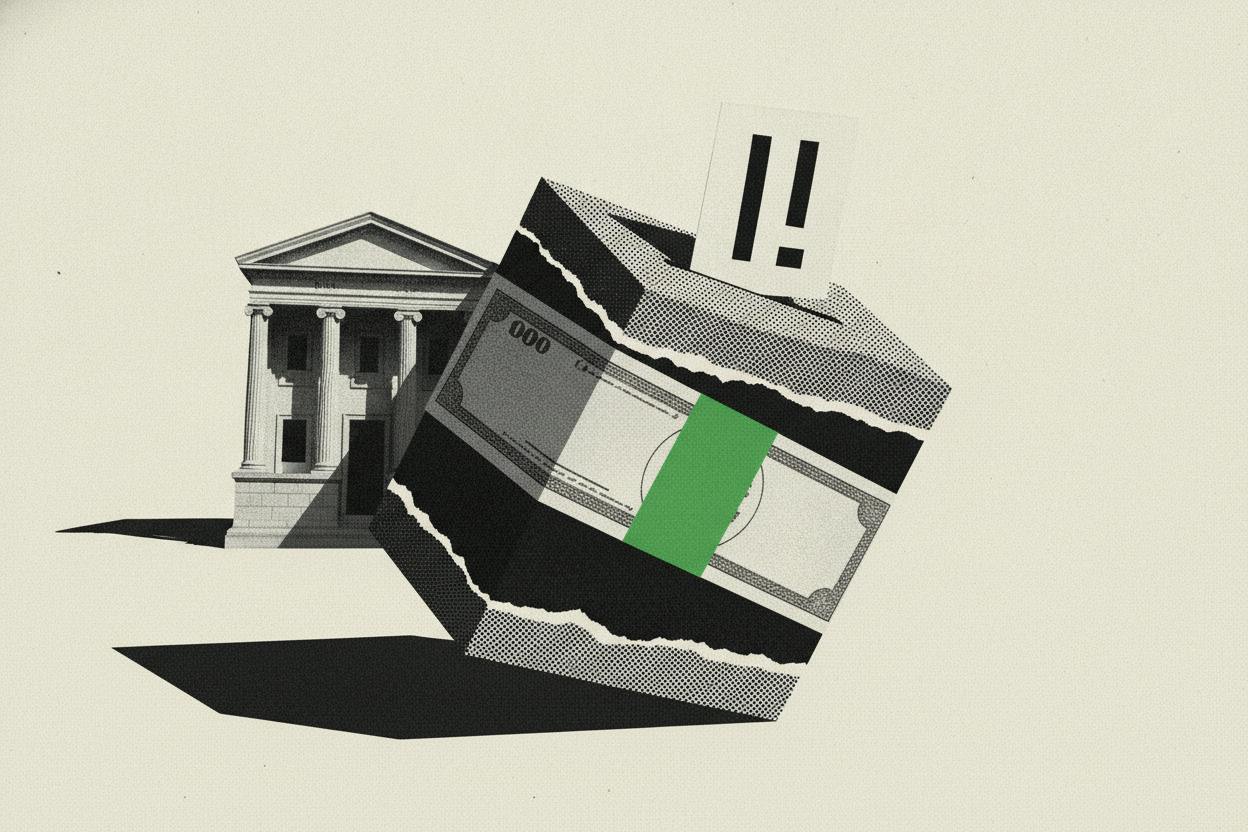
Brazilian financial markets surged on Monday after Reuters reported that investors were betting on a stronger-than-expected first-round performance by Senator Flavio Bolsonaro in the country's presidential race. The prospect of a more conservative Congress, they reasoned, could make it harder for any future president to run loose fiscal policy, a shift that would be welcome news for bondholders and equity investors alike.
The immediate reaction was broad: Brazil's currency, the real, strengthened against the dollar, the benchmark Ibovespa stock index climbed, and Brazil-focused exchange-traded funds (ETFs) jumped. The Xtrackers MSCI Brazil ETF, a popular vehicle for U.S. investors to gain exposure to Brazilian equities, hit a record high, according to the report.
Why a 'rightward shift' matters for markets
The logic behind the rally is straightforward. When investors believe a government will be constrained in its spending—by a more conservative legislature, for example—they tend to demand a smaller premium to hold that country's long-term bonds. That lower risk premium can push down long-term yields, which in turn makes future corporate profits more valuable in today's terms, lifting stock prices.
Pantheon Macroeconomics' Latin America economist, Andrés Abadía, described the market's optimism as tied to a “rightward shift in Congress.” In plain terms, a more fiscally conservative legislature could act as a check on the executive branch, reducing the risk of budget blowouts and runaway debt. For investors, that translates into a perception of lower sovereign risk over the next decade.
This dynamic is not unique to Brazil. Across emerging markets, political outcomes that are seen as fiscally responsible often trigger immediate rallies in local currencies, bonds, and equities. The reverse is also true: when elections raise fears of unchecked spending, assets tend to sell off.
The limits of a one-day rally
But Abadía also cautioned that the optimism has clear boundaries. Whoever ultimately wins the presidency will still face formidable fiscal challenges: rising mandatory spending, high debt-servicing costs, and limited room to cut discretionary programs. These structural pressures do not disappear simply because the makeup of Congress shifts.
“A one-day rally can fade fast unless the next administration lays out a credible fiscal plan,” Abadía said. In other words, markets are pricing in hope, but they will need to see concrete policy details before they commit to a sustained repricing of Brazilian risk.
This is a familiar pattern in emerging markets. Political headlines can spark sharp moves, but durable gains depend on whether governments follow through with measures that actually improve fiscal sustainability. Without that follow-through, long-term yields can climb just as quickly as they fell, undoing the day's gains.
What it means for investors
For everyday investors, the key takeaway is that Brazil's biggest market moves often start in the bond market. When bond yields fall, it creates a tailwind for so-called long-duration assets—those whose prices are especially sensitive to interest rates. Broad indexes like the Ibovespa, rate-sensitive banks such as Itaú Unibanco, and Brazil-focused ETFs can all benefit from this dynamic.
The flip side is that these gains are fragile. If fiscal worries resurface—say, if the new government signals big spending increases or fails to address the debt trajectory—long-term yields can spike, and the same assets that rallied can quickly give back their gains.
Investors with exposure to Brazil should watch not just the election results but also the fiscal policy signals that follow. The initial market reaction is a vote of confidence in a more disciplined Congress, but the real test will be whether the next government can turn that hope into a credible budget plan.
For those looking at broader emerging market trends, Brazil's move is a reminder that political events can have outsized effects on asset prices. Similar dynamics have played out elsewhere, such as when Asian stocks rallied on softer U.S. jobs data, showing how global factors and local politics intertwine.
As always, it's wise to remember that one-day rallies are not trends. The sustainability of Brazil's market gains will depend on the policy choices made in the coming weeks and months, not just the election night headlines.