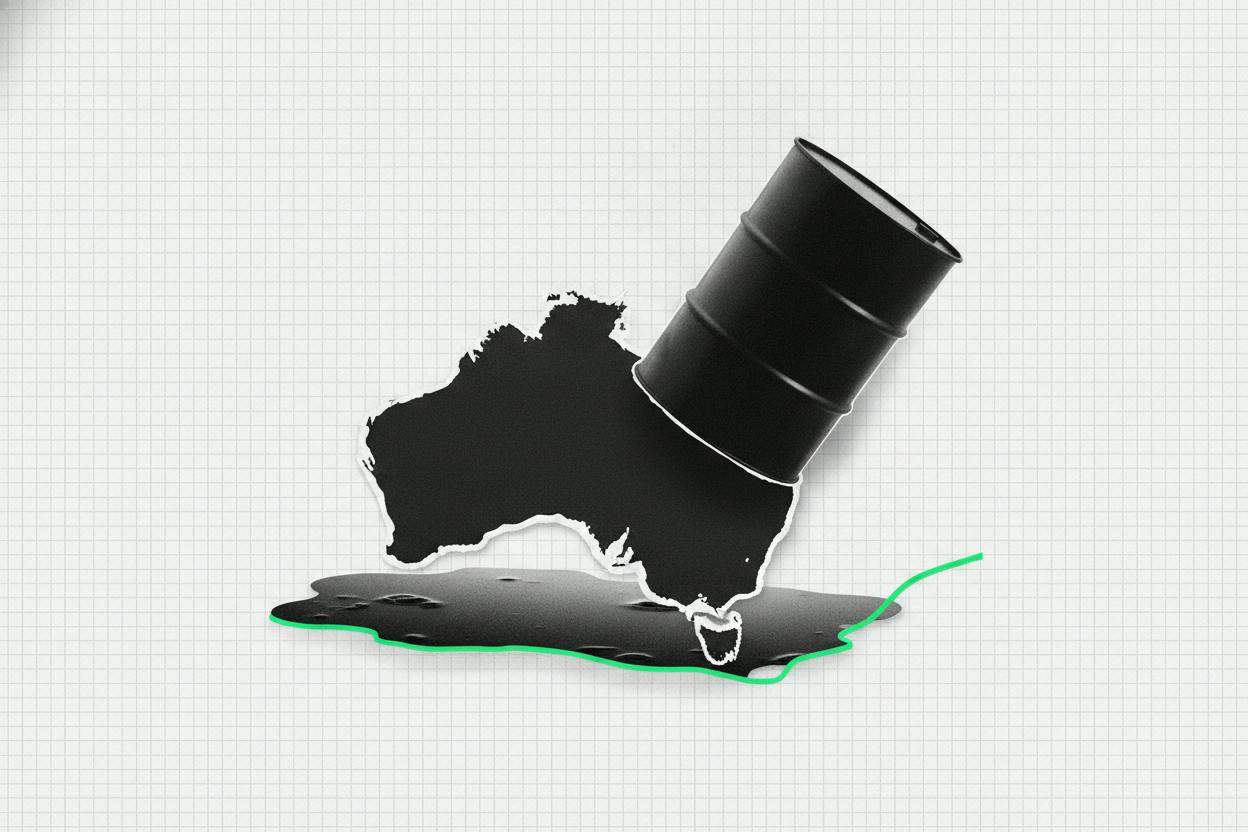
Australian shares are poised to open higher on Friday, tracking a pullback in crude oil prices after fresh hopes emerged for US-Iran negotiations. The softer energy market comes as a relief to investors worried about supply disruptions, even as Wall Street's tech-heavy Nasdaq index fell 1.4% overnight.
Oil's retreat and what it means
Oil prices slipped after reports suggested the US and Iran may be moving toward talks, easing fears of a broader conflict that could choke off supply from the Middle East. A drop in crude can calm one of the market's biggest near-term worries: that high energy costs feed into inflation and squeeze company margins.
For Australia, a major energy exporter, lower oil prices can have mixed effects. While they may reduce revenue for local producers, they also lower input costs for businesses and consumers, potentially supporting spending. The benchmark index had already gained 0.5% on Thursday, and the oil story could provide further tailwind if tensions continue to ease.
However, the situation remains fluid. If regional security risks flare back up, crude could quickly rebound, putting a floor under prices and reigniting inflation concerns. Investors will be watching headlines from the Middle East closely.
Wall Street's tech wobble
Overnight, the Nasdaq fell 1.4%, dragged down by weakness in technology stocks. This follows a period of volatility in the sector, as investors weigh the costs and benefits of heavy AI spending. Recent earnings from major tech firms have shown a mixed picture, with some companies rewarded for cautious capital expenditure while others punished for aggressive outlays.
The tech sell-off could spill over to Australian markets, particularly in the tech and healthcare sectors that often track US peers. However, the local bourse is more heavily weighted toward financials and materials, which may be less directly affected.
What it means for investors
For everyday investors, the key takeaway is that oil prices remain a critical swing factor for markets. A sustained decline in crude could ease inflationary pressures, potentially giving central banks more room to cut interest rates. That would be positive for growth-sensitive assets like stocks and property.
On the other hand, if oil rebounds, it could complicate the inflation picture and keep rates higher for longer. Investors should keep an eye on energy prices as a barometer for broader market sentiment.
In the tech space, the Nasdaq's slide is a reminder that high-growth stocks can be volatile. Diversification across sectors and asset classes remains a prudent strategy, especially when market moves are driven by geopolitical headlines.
Looking ahead
Australian investors will also be watching local earnings reports and economic data for clues on the health of the domestic economy. The recent discount wars in grocery retail have highlighted competitive pressures, while other sectors show resilience.
Globally, the focus remains on the US Federal Reserve's policy path and the trajectory of inflation. The Fed's recent rate hold and signals on future moves will be crucial for market direction.
For now, the oil pullback offers a measure of relief, but investors should stay alert to the fast-moving geopolitical landscape. As always, a long-term perspective and a well-balanced portfolio are the best defenses against short-term market swings.