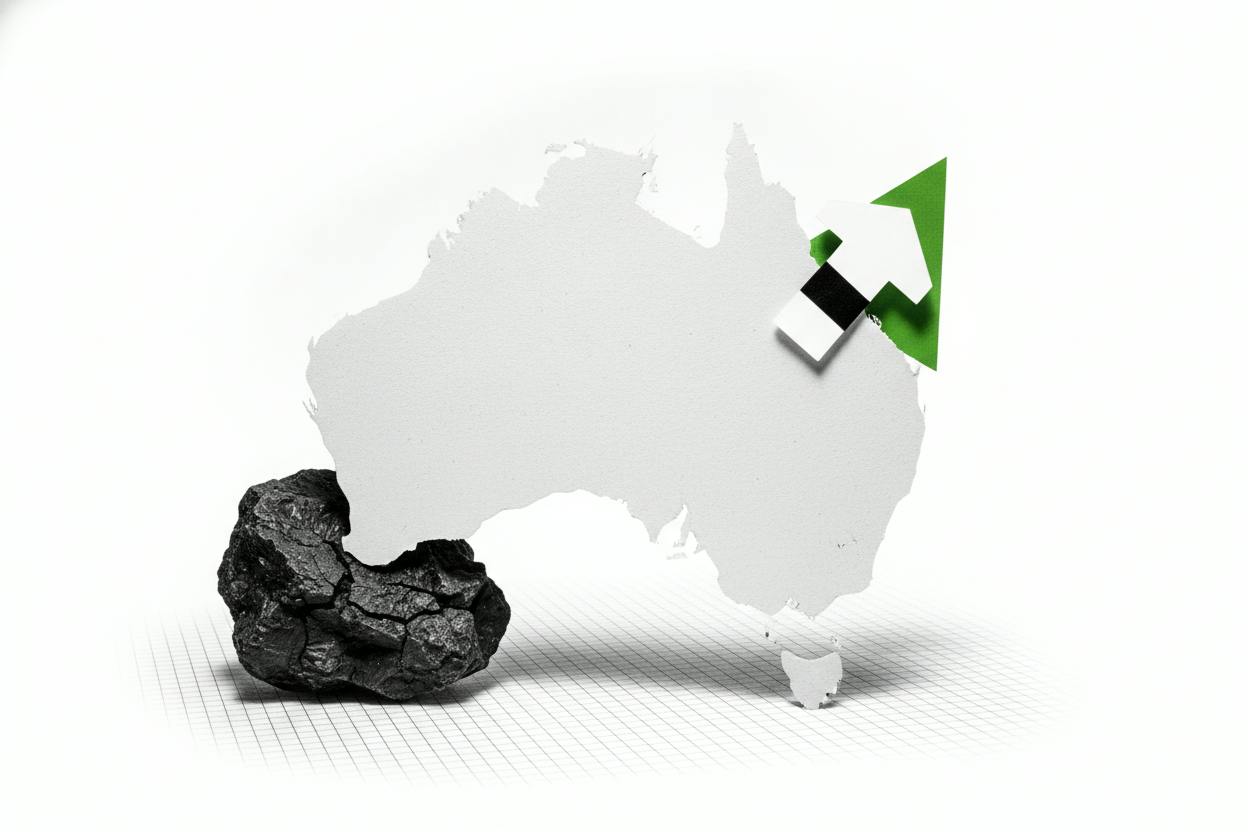
Australia's sharemarket closed lower on [day], with the S&P/ASX 200 slipping 0.4% as heavyweight mining stocks dragged on the benchmark. But the decline was far from a broad selloff: technology shares, led by a near-13% surge in accounting software firm Xero, helped keep the damage in check.
The mixed session highlights how the index's heavy reliance on a handful of commodity-linked giants can skew the daily picture. Miners account for roughly a quarter of the ASX 200, so when that group slides, it takes the whole market down with it—even when other sectors are holding steady.
Why miners fell
Iron ore and gold stocks were the main laggards. The iron ore giants BHP and Rio Tinto each fell around 1.6% and 1.9% respectively, while the broader mining sector dropped nearly 2%.
Traders pointed to softer sentiment around iron ore, tied to expectations that China—the world's biggest steel producer—could curb output. Any slowdown in Chinese steelmaking would reduce demand for the raw material, putting pressure on prices and on the Australian miners that supply it.
Gold miners also slipped again, as bullion prices remained under pressure from expectations that US interest rates could stay higher for longer. When rates are high, gold—which pays no yield—becomes less attractive relative to interest-bearing assets, and that tends to weigh on the precious metal and the companies that dig it up.
Tech stocks provided the counterweight
While miners dragged, technology shares moved in the opposite direction. The sector rose, with Xero's rally doing most of the heavy lifting. The company announced a A$1 billion share buyback, a move that typically signals management believes the stock is undervalued and can boost earnings per share by reducing the number of shares in circulation.
Smaller gains in logistics software firm WiseTech Global and enterprise software provider Technology One also helped. The tech sector's strength meant that even as the index printed red, there was a clear pocket of optimism.
What it means for investors
For everyday investors, the session is a useful reminder of how index math works. Because miners make up such a large slice of the ASX 200, a near-2% drop in that sector alone can subtract roughly half a percentage point from the benchmark. That's why the index can fall even when financials, healthcare, or real estate are steady—and even when a single winner like Xero posts an eye-catching jump.
The flip side is that day-to-day moves in the ASX often act more like a read on commodity-linked sentiment—especially iron ore and gold—than a pure snapshot of Australia's domestic economy. When global commodity prices wobble, the index feels it disproportionately.
For those with diversified portfolios, this concentration risk is worth keeping in mind. A portfolio that mirrors the ASX 200 is effectively making a big bet on the fortunes of a few mining giants and on global commodity demand. That can be fine when China's economy is humming, but it also means the index can be more volatile than the underlying economy might suggest.
Investors will likely keep an eye on Chinese steel output data and any signals from Beijing about production curbs, as well as US interest rate expectations, which continue to influence gold and other rate-sensitive assets. The impact of rising rates on stocks is a theme that has been playing out across global markets, and it's not going away soon.
Meanwhile, the tech sector's resilience—and Xero's buyback—shows that company-specific news can still move individual stocks sharply, even when the broader market is listless. For investors, that's a reminder to look beyond the headline index number and consider what's driving the move.