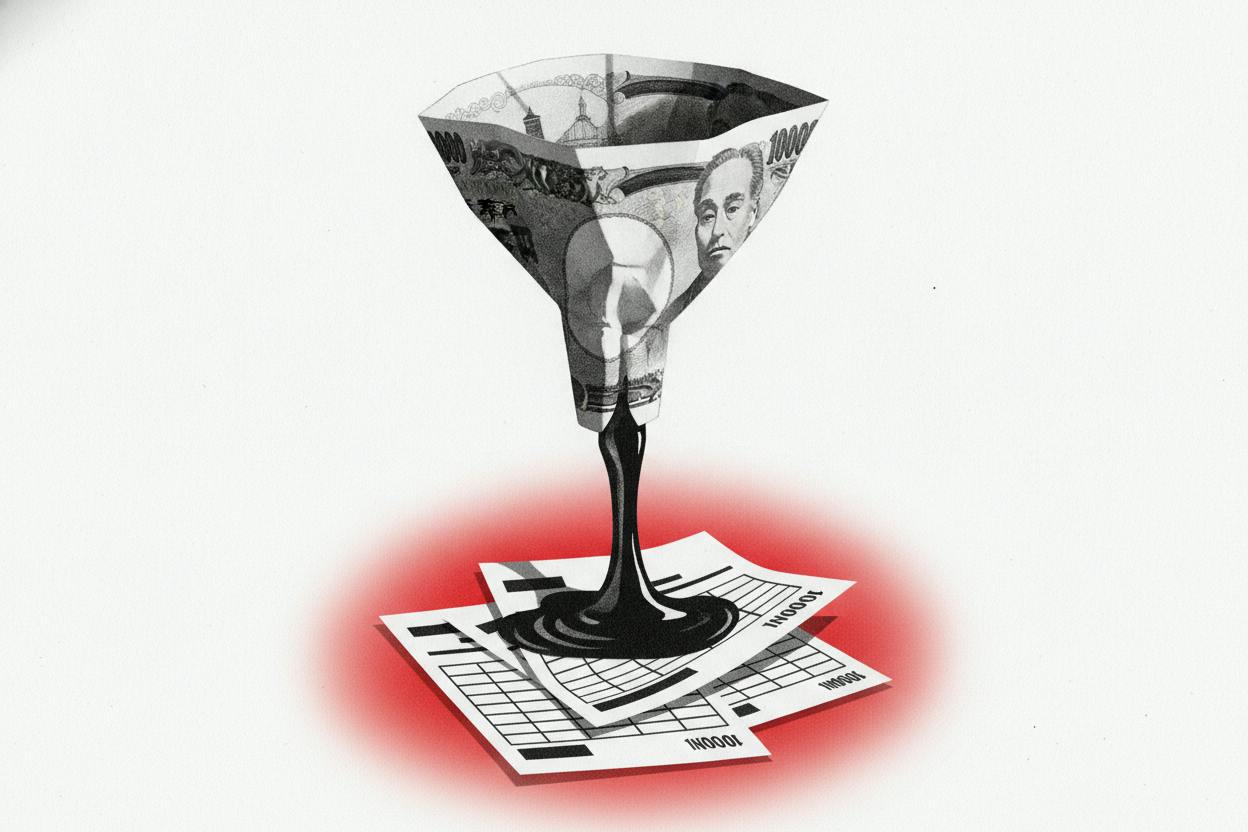
Japan's wholesale inflation picked up steam in October, adding fresh fuel to speculation that the Bank of Japan (BOJ) could raise interest rates before the year is out. The corporate goods price index—a key measure of what Japanese companies pay for the raw materials and intermediate goods they use—rose 7.1% year-on-year, coming in above economists' forecasts.
The reading, released by the Bank of Japan, marks an acceleration from recent months and underscores that price pressures in the world's fourth-largest economy remain stubbornly elevated. For everyday investors, the number matters because it directly influences the BOJ's next policy move, which in turn ripples through global markets.
What is wholesale inflation and why does it matter?
Wholesale inflation tracks the prices that businesses pay each other for goods before they reach consumers. When these costs rise quickly, companies often pass them along to households in the form of higher retail prices. That's why central banks watch wholesale inflation closely—it can be an early warning sign that consumer inflation will stay hot.
Japan's corporate goods price index has been running well above the BOJ's 2% inflation target for some time, driven by higher energy costs, a weak yen, and supply chain pressures. The October figure of 7.1% is particularly notable because it exceeded market expectations, suggesting that price pressures are not fading as quickly as some had hoped.
The BOJ has kept its key interest rate at ultra-low levels for years, but with inflation persistently above target, policymakers have begun to signal a shift. The bank has already made small adjustments to its yield curve control policy, and many analysts now expect a full rate hike sooner rather than later.
December meeting in focus
The BOJ's next policy meeting is scheduled for December 17-18, and the hotter wholesale inflation reading has strengthened the case for action. Investors are now pricing in a meaningful chance that the bank will raise its short-term policy rate from the current range of -0.1% to 0%—a move that would mark Japan's first rate increase in over a decade.
"The data keeps the hawks talking," said one Tokyo-based economist, referring to BOJ officials who favor tighter monetary policy. "If wholesale prices continue to run this hot, the bank will find it hard to justify keeping rates at rock-bottom levels."
The yen, which has been under pressure against the dollar for much of the year, could get a boost if the BOJ acts. A stronger yen would help lower import costs and ease some of the inflationary pressure, but it would also weigh on Japanese exporters' profits.
What it means for investors
For investors with exposure to Japanese assets, the implications are significant. A rate hike by the BOJ would be a major shift for a country that has been the world's most prominent holdout of ultra-loose monetary policy. It could lead to higher borrowing costs for Japanese companies, potentially squeezing profit margins at firms that have benefited from cheap money.
On the other hand, a rate hike could be seen as a sign that the Japanese economy is finally healthy enough to withstand tighter policy. That could attract foreign investors who have been waiting for signs of normalization.
For global investors, the BOJ's move matters because Japan is a major player in global bond markets. Japanese government bonds are a benchmark for many fixed-income portfolios, and a shift in BOJ policy could trigger volatility in bond markets worldwide.
The October wholesale inflation data also comes at a time when other major central banks are grappling with similar challenges. In the United States, hot inflation has revived bets on Fed rate hikes, and the dollar has climbed to a four-week high. That dynamic has put additional pressure on the yen and made the BOJ's task more complicated.
If the BOJ raises rates while the Fed is also tightening, the gap between Japanese and US interest rates would narrow, which could support the yen. But if the BOJ holds off, the yen could weaken further, pushing up import costs and adding to inflation.
Looking ahead
Investors will be watching the BOJ's communications closely in the weeks leading up to the December meeting. Any hints from policymakers about their intentions could move markets well before the actual decision.
In the meantime, the focus will remain on the data. If wholesale inflation continues to run hot, the pressure on the BOJ to act will only grow. For now, the December meeting looks like a live event, and investors should be prepared for the possibility of a rate hike that could reshape Japan's financial landscape.