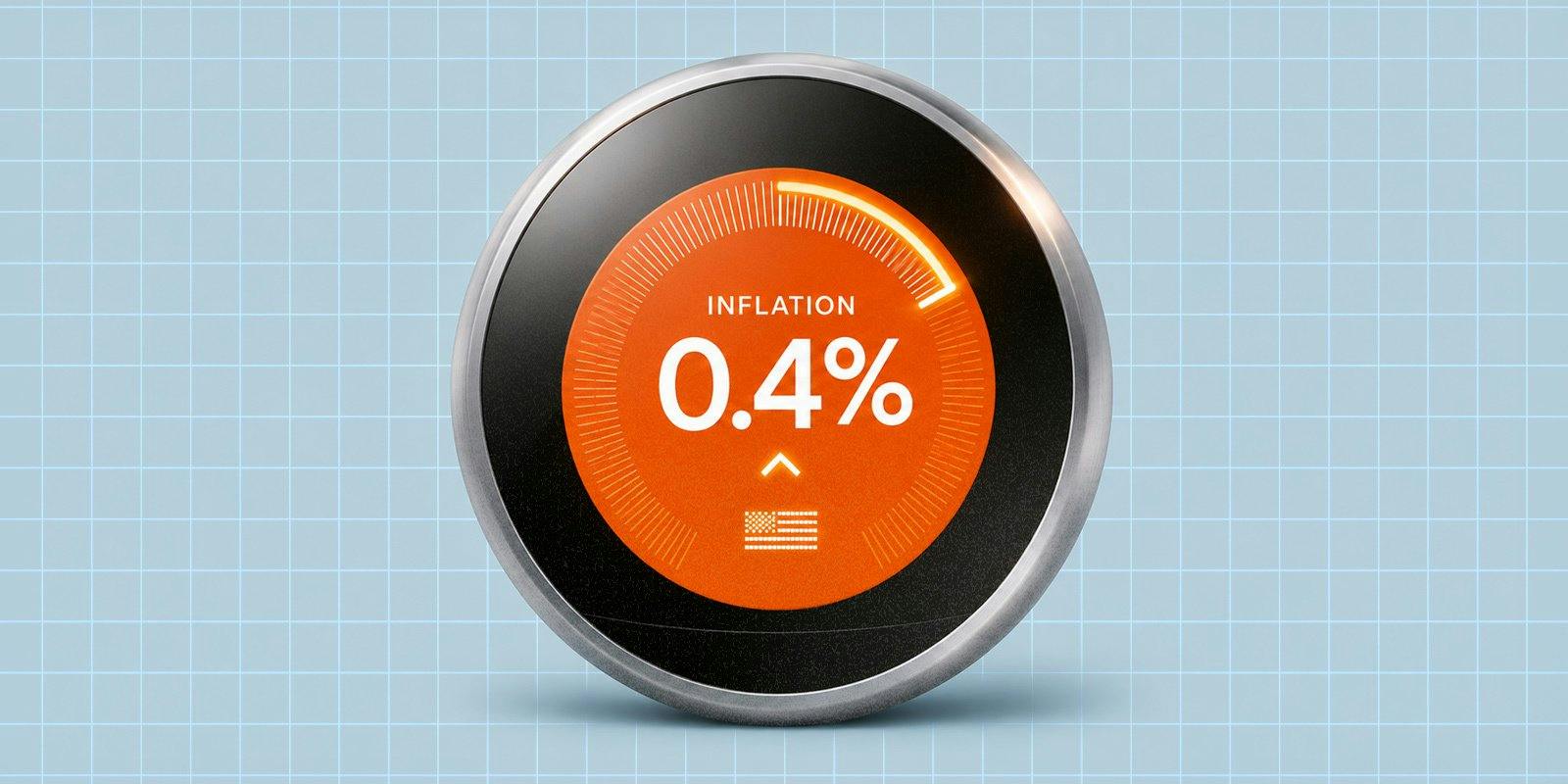
American consumers got another reminder that inflation isn't going away quietly. October's data showed prices rising 0.4% faster than the previous month, and the more closely watched core measure — which strips out volatile food and energy costs — topped forecasts at 0.3%. Because of the government shutdown in October 2025, year-on-year figures weren't available, leaving investors to work with the monthly numbers alone.
The reaction in rate markets was swift. Traders now fully expect the Federal Reserve to raise interest rates in December and again by March, with a 75% probability that the second hike arrives as soon as January. In other words, the market is pricing in a central bank that is still leaning against inflation rather than preparing to ease off.
Why the Fed is stuck between a rock and a hard place
US inflation has now run above the Fed's 2% target for five straight years, dashing hopes that price pressures would fade on their own without policy intervention. The Fed raised rates in September — its first hike since 2023 — but the current bout of inflation is a particularly awkward one for monetary policy to solve.
The war in Iran has choked oil and gas supplies, pushing energy costs higher and, increasingly, feeding through into other prices. Higher interest rates can cool demand and squeeze spending, but they can't conjure up more oil or gas. That's the uncomfortable reality: the Fed can fight demand-driven inflation, but supply shocks are a different beast. Raising rates into an energy-driven price spike risks slowing the broader economy without doing much about the underlying cause.
There has been some relief. Brent crude, the global oil benchmark, fell 20% recently, which could ease some pressure at the pump and in input costs. But Brent is still up 50% so far this year, and there's no guarantee that the pullback holds — or that it undoes price increases that have already spread through the economy. Investors watching commodity prices slide have seen how quickly supply-driven moves can reverse.
What it means for investors
For ordinary investors, the takeaway is that the cost of borrowing — mortgages, credit cards, auto loans, business loans — is likely to stay elevated for longer than many had hoped. When the market prices in additional rate hikes, bond yields tend to rise, which can pressure stock valuations, particularly for companies whose profits are expected far in the future.
Yet there's a counterweight that has kept the market surprisingly resilient: profits. Despite higher prices, consumers have kept spending, propping up both economies and corporate earnings. That profit growth has made US stocks look less expensive on a valuation basis. The S&P 500 is trading at around 18 times its companies' earnings, down from 22 at the start of the year and near its lowest level since November 2023.
Stocks still aren't cheap by historical standards, but they're cheap enough to keep investors engaged. As long as earnings stay strong, the market will likely carry on — even with the Fed tightening. That's the balancing act investors are watching: sticky inflation on one side, resilient profits on the other.
The next few months will be telling. If inflation continues to surprise to the upside, the Fed may feel compelled to hike more aggressively, testing whether consumers and companies can keep spending through higher borrowing costs. If energy prices keep falling and core inflation cools, the pressure could ease. For now, the market is betting on more hikes — and on earnings to keep carrying stocks through them.