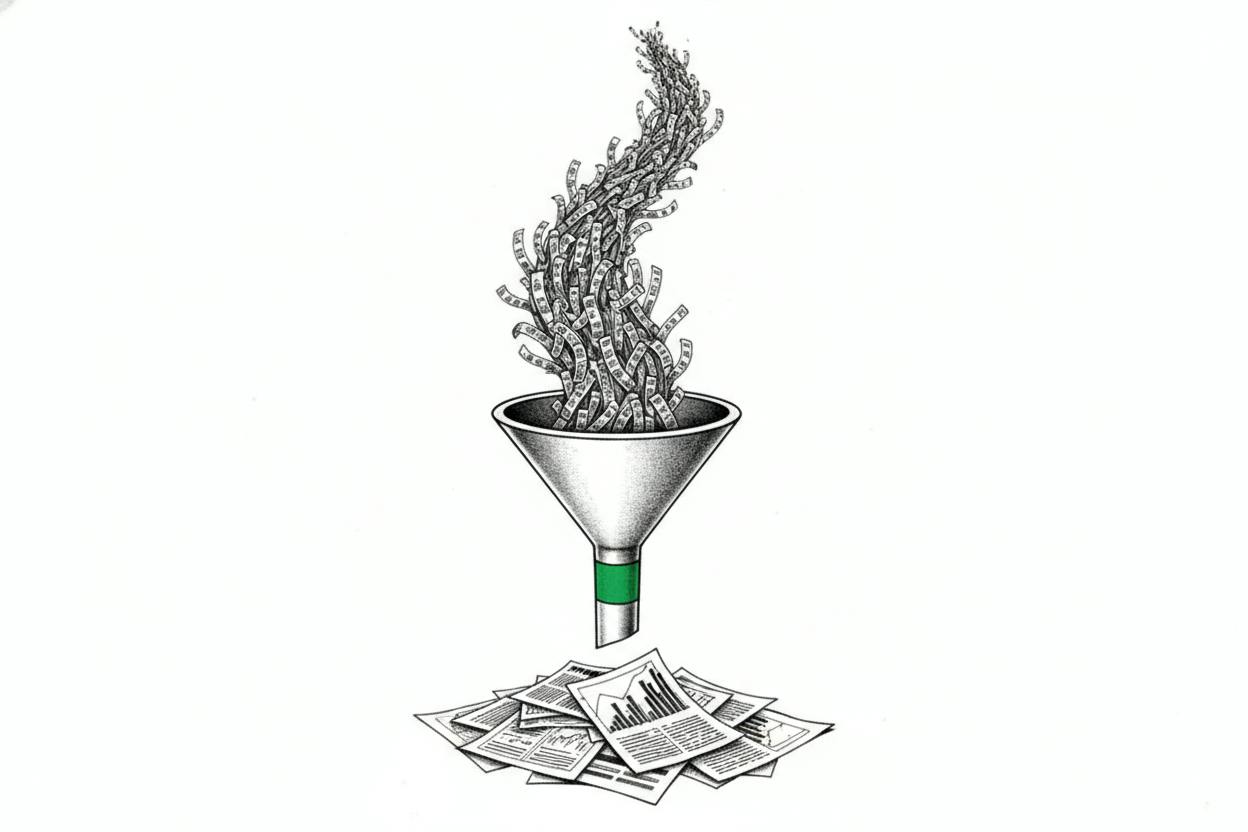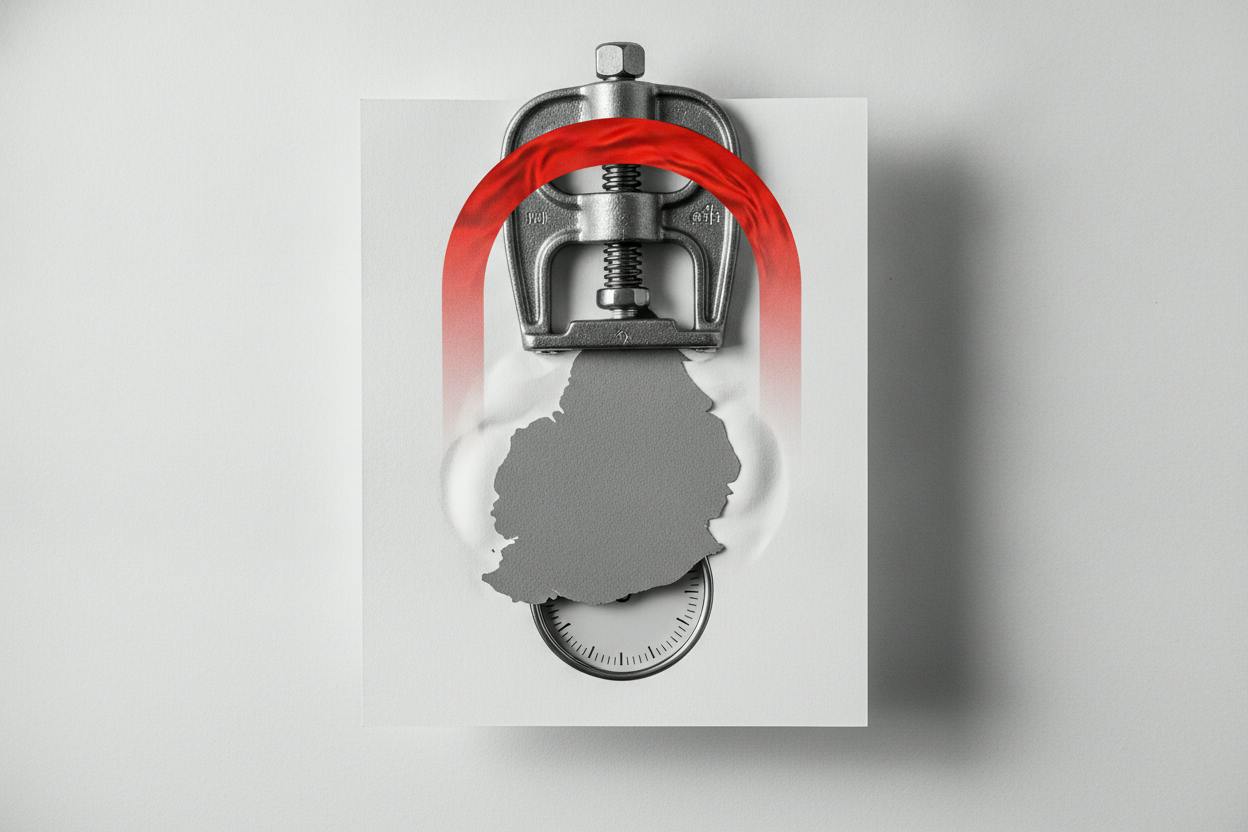
The Bank of Mauritius has raised its key interest rate by 25 basis points to 5.0%, its first adjustment since May, as inflation in the Indian Ocean nation runs above the central bank's comfort zone. The decision, announced after the Monetary Policy Committee met, comes after October's inflation rate hit 6.4%, well above the bank's 2%-5% target band.
The committee voted unanimously to lift the rate from 4.75%, according to a statement cited by Reuters. Policymakers said price pressures are spreading across the economy and could become entrenched if they waited too long to act. That language signals a central bank determined to keep inflation expectations in check, even as it expects the economy to keep growing.
How the rate hike works
When a central bank raises its policy rate, the immediate effect is usually felt in borrowing costs. Commercial banks tend to pass the move through to variable-rate loans and to the rates they quote on new credit. That can mean higher monthly repayments for households and businesses, or stricter conditions for getting a loan in the first place.
This is how monetary policy cools an overheating economy: by making credit more expensive, it encourages less borrowing and spending, which in turn helps bring down price pressures. But the process is gradual. Wages and prices often take longer to adjust than loan rates, so the pain of higher borrowing costs can arrive before inflation actually falls.
For everyday borrowers in Mauritius, the hike to 5.0% means floating-rate loans—such as many mortgages and business lines of credit—could become more expensive in the near term. New borrowers may also face higher rates. That can squeeze household budgets and business cash flow, even as inflation remains elevated at 6.4%.
Why inflation is still hot
October's inflation reading of 6.4% is the latest sign that price pressures are not fading quickly. The central bank's target band of 2%-5% gives it a clear mandate to act when inflation runs above that range. The decision to hike, rather than hold, suggests officials are worried that if they wait, high inflation could become a lasting habit—what economists call second-round effects, where workers demand higher wages and businesses pass on costs, creating a self-reinforcing cycle.
The bank also flagged external risks that could complicate the outlook. Swings in global energy and commodity prices remain a concern, as Mauritius imports much of its fuel and food. A drought could also hit agricultural output and push food prices higher later in the year, adding to inflationary pressure.
These risks are not unique to Mauritius. Central banks around the world have been grappling with similar challenges, as supply shocks and commodity price volatility keep inflation above targets. In other emerging markets, policymakers have often had to choose between supporting growth and containing inflation—a trade-off that is never easy.
What it means for investors
For investors, the rate hike is a signal that the Bank of Mauritius is prioritizing price stability over short-term growth. That can be a positive for the currency and for bond yields, as higher rates tend to attract foreign capital. But it can also weigh on economic activity, which may affect corporate earnings and stock valuations.
For those with exposure to Mauritian assets, the key question is whether inflation will ease back toward the target band. If the bank's move succeeds in cooling demand, price pressures should gradually fade. If not, further hikes could be on the table, which would keep borrowing costs elevated for longer.
The decision also comes against a backdrop of global monetary tightening. Central banks in major economies, including the US Federal Reserve, have been adjusting policy in response to inflation, and those moves can ripple into smaller markets like Mauritius. Investors will be watching whether the bank's next steps align with global trends or diverge as local conditions dictate.
For now, the message from Port Louis is clear: inflation control remains the priority, and the bank is willing to act to keep it from becoming entrenched. That may mean higher borrowing costs in the short run, but it is also a bet that a stable price environment will support sustainable growth in the long run.