AT&T's strategy of bundling discounted fiber broadband with wireless plans is winning over new customers, but it's also squeezing the amount of money the company makes from each fiber connection. The telecom giant reported that average revenue per fiber user fell 4% in the third quarter, and it expects that decline to continue into the fourth quarter.
The drop is the direct result of the promotional pricing AT&T has leaned on to compete in a crowded US broadband market. Discounts, introductory offers in newly built areas, and the mix of customers added through its 2025 acquisition of Lumen's consumer fiber assets for $5.75 billion all contributed to the lower average revenue per user (ARPU).
Why bundles are the bet
US telecom companies have increasingly turned to bundling—offering internet and mobile plans together—as a way to attract and keep customers. The logic is simple: a household that gets both its broadband and its phone service from one provider is less likely to switch, because moving means replacing two services at once.
AT&T says that bet is starting to pay off in terms of loyalty. About 43% of households that took its internet service also signed up for its wireless plan, according to CEO John Stankey. That "converged" rate, as the industry calls it, is meant to reduce churn—the rate at which customers cancel their service—and lower the need for constant promotional spending to defend the customer base.
The near-term cost of that strategy is visible in the numbers. Lower ARPU means less revenue per fiber line, and AT&T has warned investors that the pressure will persist into the fourth quarter. That warning hit the stock hard: AT&T shares fell 6.5% after the announcement, while rivals Verizon and T-Mobile each dropped about 3% in sympathy.
What it means for investors
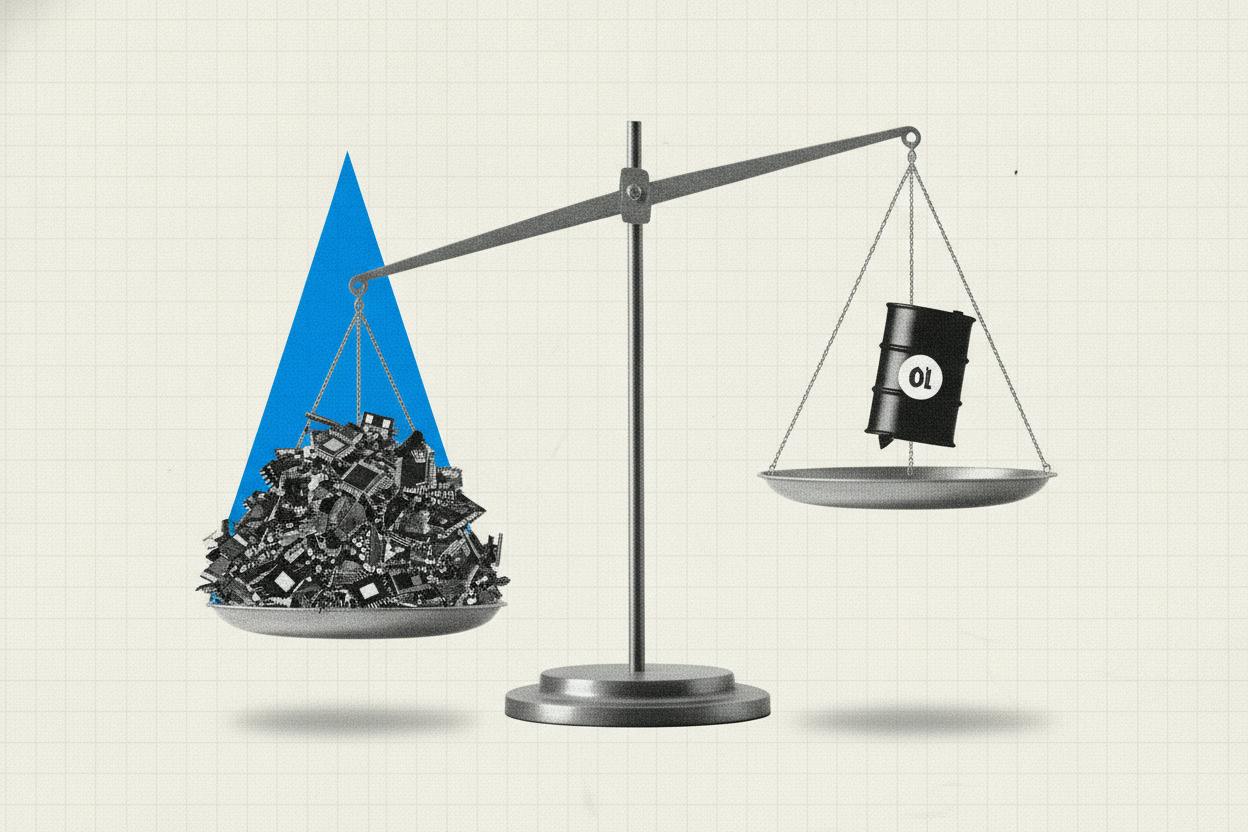
For investors, the key question is whether bundling will eventually translate into steadier, more profitable cash flows. The 4% ARPU decline is the easy part to understand: discounting lowers the dollars each customer brings in. The harder part is whether the "stickier customer" story holds up over time.
If carriers can raise prices later without triggering a wave of defections, the bundling strategy wins. If not, thinner fiber economics could become the new normal across the sector. That's why markets are watching AT&T's churn numbers as closely as its revenue per user.
AT&T's experience is part of a broader trend in telecom, where companies are spending heavily on fiber buildouts and promotions to gain share. The company recently raised its profit forecast as bundled plans showed early signs of paying off, but the latest results highlight the trade-offs involved.
Investors should also keep an eye on how competitors respond. Verizon and T-Mobile have their own bundling strategies, and their stock moves suggest the market is weighing similar concerns across the industry. The sale of fiber ventures and consolidation in broadband markets show that the economics of fiber are a global question, not just a US one.
The bigger picture
AT&T's fiber push is a long-term play. Building out new networks and acquiring existing ones costs money, and the payoff comes from a larger, more loyal customer base that generates steady revenue over many years. The 43% convergence rate is a sign that the strategy is gaining traction, but it's still early.
For everyday investors, the takeaway is that telecom stocks are often judged on their ability to balance growth and profitability. AT&T's current numbers show growth in subscribers but a squeeze in revenue per user—a classic trade-off that will determine whether the company can eventually raise prices without losing customers.
As competition in the US broadband market remains intense, the next few quarters will be telling. If AT&T can show that its bundled customers stay longer and cost less to serve, the near-term ARPU decline may be worth it. If not, investors may start to question whether the discounts are buying loyalty or just buying time.