General Motors (GM) delivered third-quarter results that largely matched Wall Street expectations, but the real headline was a new $20 billion share buyback authorization. According to RBC Capital Markets, that repurchase plan represents more than 25% of GM's current market value—a bold signal that the automaker believes its stock is undervalued and that it has the cash flow to back that conviction.
The buyback, which GM says will be executed over multiple years, gives investors a clearer picture of how the company plans to return capital. For everyday shareholders, a buyback reduces the number of shares outstanding, which can boost earnings per share even if profits stay flat. It also creates ongoing demand for the stock, which can help support the share price.
Q3 numbers: steady but not spectacular
RBC noted that GM's adjusted operating profit for the third quarter came in at $4.1 billion, broadly in line with what analysts had forecast. North American margins improved to 8.7%, up from the same period a year earlier, suggesting the company's core market remains healthy despite broader economic uncertainty.
That improvement is notable because automakers have been grappling with a range of pressures, from higher interest rates that cool car-buying demand to supply chain disruptions that have eased but not disappeared. GM's ability to hold margins in that environment is a positive sign, though the company isn't immune to cost headwinds.
The cost cloud: steel and copper
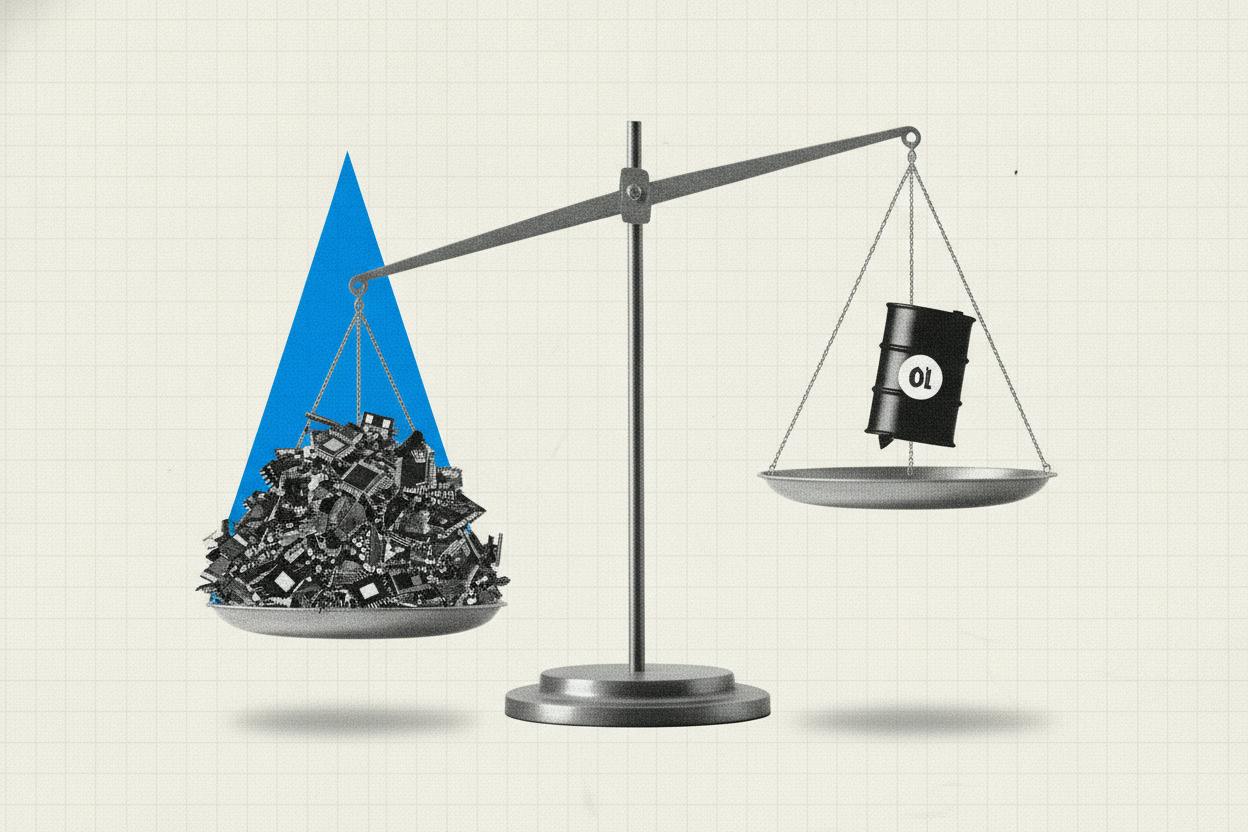
One of the key risks RBC flagged is the rising cost of raw materials, particularly steel and copper. These metals are essential to vehicle production—steel for the body and frame, copper for wiring and increasingly for electric vehicle components. If prices continue to climb, GM's production costs could rise, potentially eating into profits.
RBC estimates that higher steel and copper costs could trim GM's earnings in 2027. That's a longer-term concern rather than an immediate threat, but it's worth watching. For investors, it means the buyback's benefits could be partially offset by margin pressure down the road.
It's also a reminder that automakers operate in a cyclical industry where input costs can swing sharply. Companies in this position often use buybacks to signal confidence, but they also need to manage costs carefully to protect future earnings.
What it means for investors
For everyday investors, the buyback is the most important takeaway. A $20 billion authorization is substantial for a company with a market value in the tens of billions. RBC's point that it exceeds 25% of GM's market value underscores just how large the program is relative to the company's size.
Buybacks can be a double-edged sword. On one hand, they return cash to shareholders and can support the stock price. On the other, they only work if the company follows through and if the underlying business remains profitable. GM's Q3 results suggest the business is stable, but the metal cost issue is a reminder that nothing is guaranteed.
Investors should also consider the broader context. GM is navigating a transition to electric vehicles, which requires heavy capital spending. The buyback suggests management believes it can fund that transition while still returning money to shareholders. That's a balancing act that will be worth monitoring in coming quarters.
For those looking at the auto sector, GM's move is a signal that the company sees its stock as cheap. Whether that view is correct will depend on how well it manages costs, executes on its EV strategy, and navigates an uncertain economy.
As always, it's wise to look at the full picture. The buyback is a positive, but the metal cost warning is a caution flag. Investors should weigh both as they assess GM's prospects.